Non-destructive integrity testing for heat exchangers helps detect hidden leaks, microcracks, corrosion-related defects, and seal failures without equipment dismantling. The method gives food manufacturers a reliable way to identify defect risks early, protect product quality, and avoid costly shutdowns.


WHAT IS INTEGRITY TESTING
Non-Destructive Leak Detection for Heat Exchangers
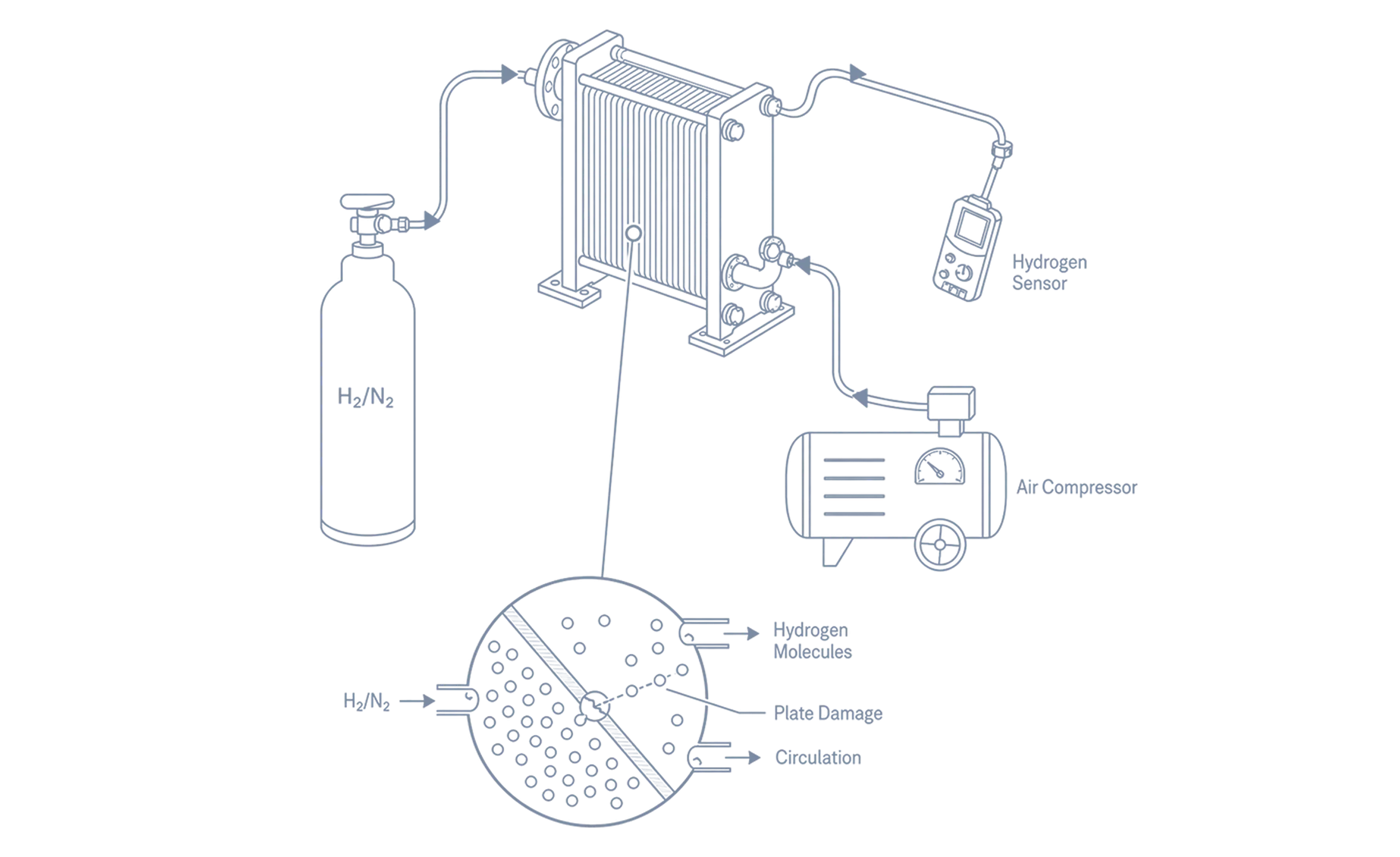
GasTest is a non-destructive method for plate heat exchanger integrity testing and leak-tightness verification without dismantling the unit. During the PHE integrity test, a safe forming gas mixture — hydrogen 10% and nitrogen 90% — is introduced under controlled pressure, while sensors support plate heat exchanger leak detection by identifying gas transfer through damaged areas and hidden leak paths.
The method is especially valuable because heat exchanger defects are often too small to be seen visually, yet they can still affect product quality, equipment reliability, and production safety. GasTest helps identify these defects before they lead to product contamination, dilution between circuits, or costly repairs.
WHY INTEGRITY TESTING MATTERS
Even one invisible defect in a heat exchanger can lead to serious quality and operational consequences. Heat exchangers operate in unstable humid environments and are exposed to extreme temperatures and chemicals, which increases the risk of hidden defects over time. Integrity testing helps identify these issues early and gives engineering teams a basis for action before they lead to losses.

Undetected leakage can affect product quality and process stability.

Hidden defects are identified before they turn into repairs, downtime, or equipment failure.

Timely detection reduces the risk of breakdown and related production hazards.

Testing without dismantling helps avoid multi-day shutdowns associated with opening the exchanger.

The method helps reveal leak-related seal integrity problems across the heat exchanger surface.

The service reduces manual disassembly effort and internal staff workload.
WHEN THIS SERVICE IS NEEDED
This service is relevant when a plate heat exchanger may have internal leakage, microcracks, pitting corrosion, or seal-related tightness problems that cannot be confirmed visually. It is especially useful when dismantling would be costly, risky, or unnecessarily disruptive to production.
01
When there are signs of internal transfer between media but no visible external leak.
02
When a hidden defect may be affecting separation or process reliability.
03
Before defects develop into larger failures or unplanned shutdowns.
04
To confirm actual equipment condition before starting expensive repair work.
05
To avoid seal damage, labour cost, and extended production downtime.
DEFECTS WE DETECT
Integrity testing is designed to detect leak-related defects in plate heat exchangers that many routine checks cannot confirm reliably. The method is especially strong for identifying not only through holes, but also microcracks, corrosion-related defects, material fatigue, and seal-condition problems.
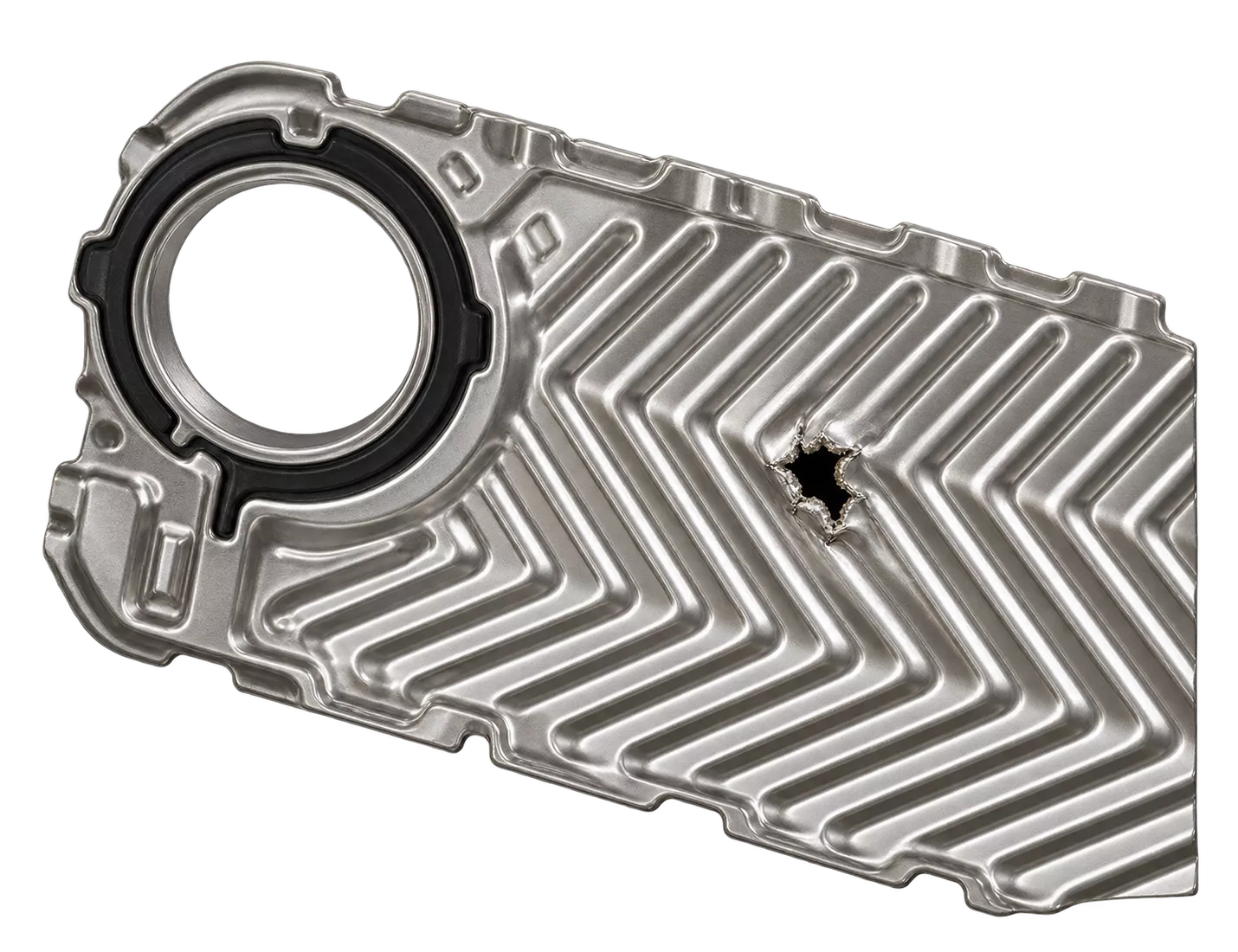
Open leak paths caused by damage such as water hammer.
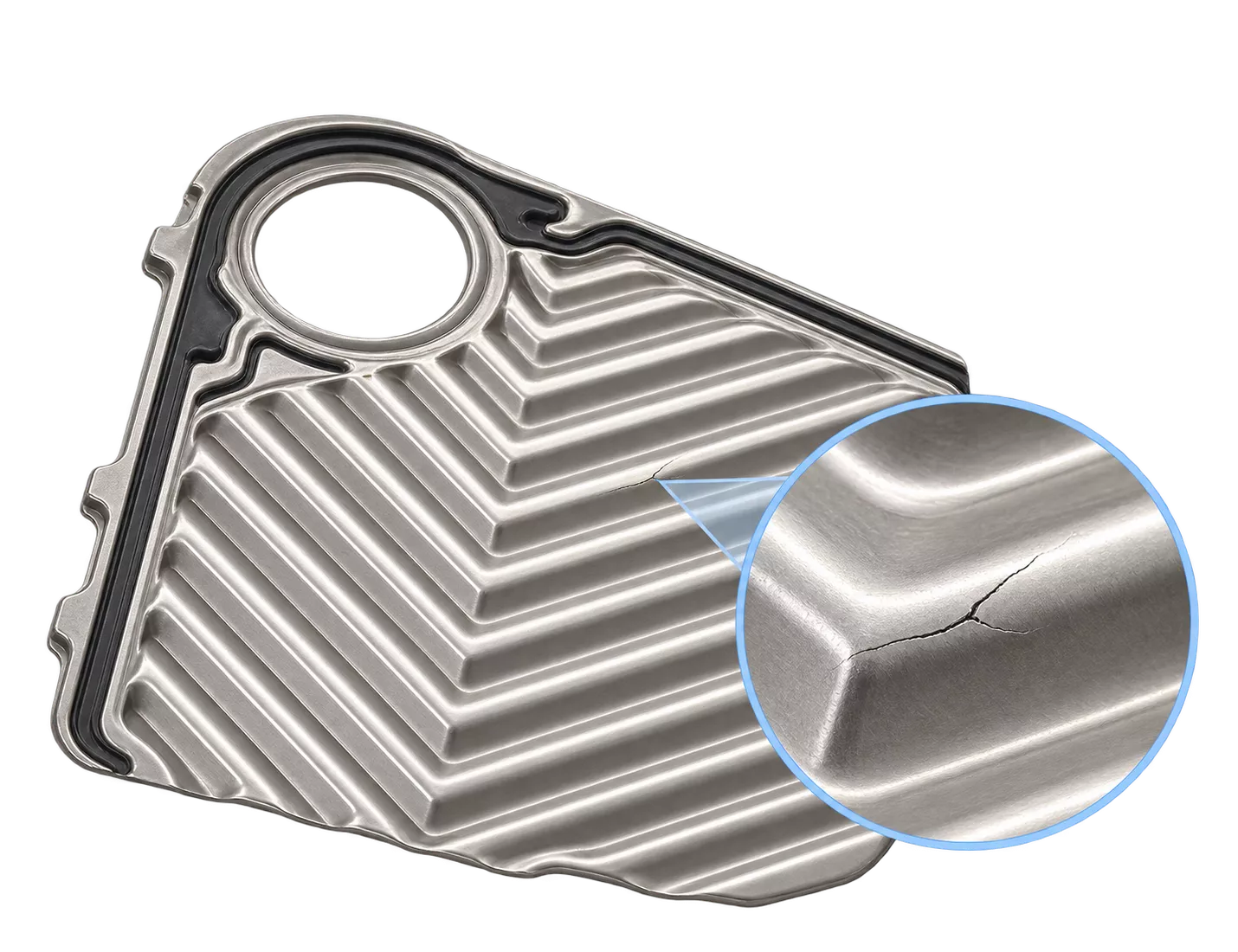
Defects large enough to affect tightness but not always visible in routine inspection.
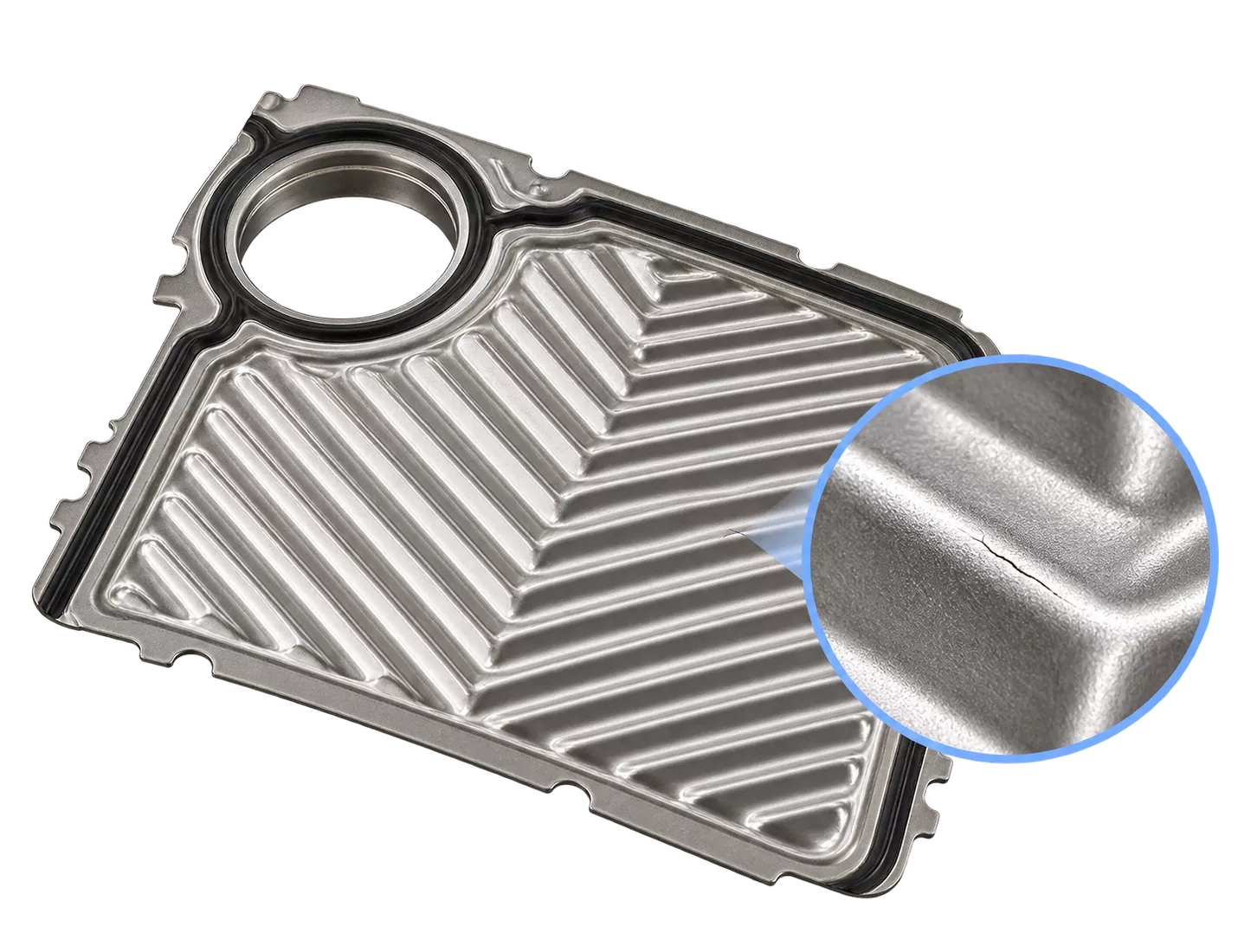
Very small hidden defects beyond the reach of many other methods.
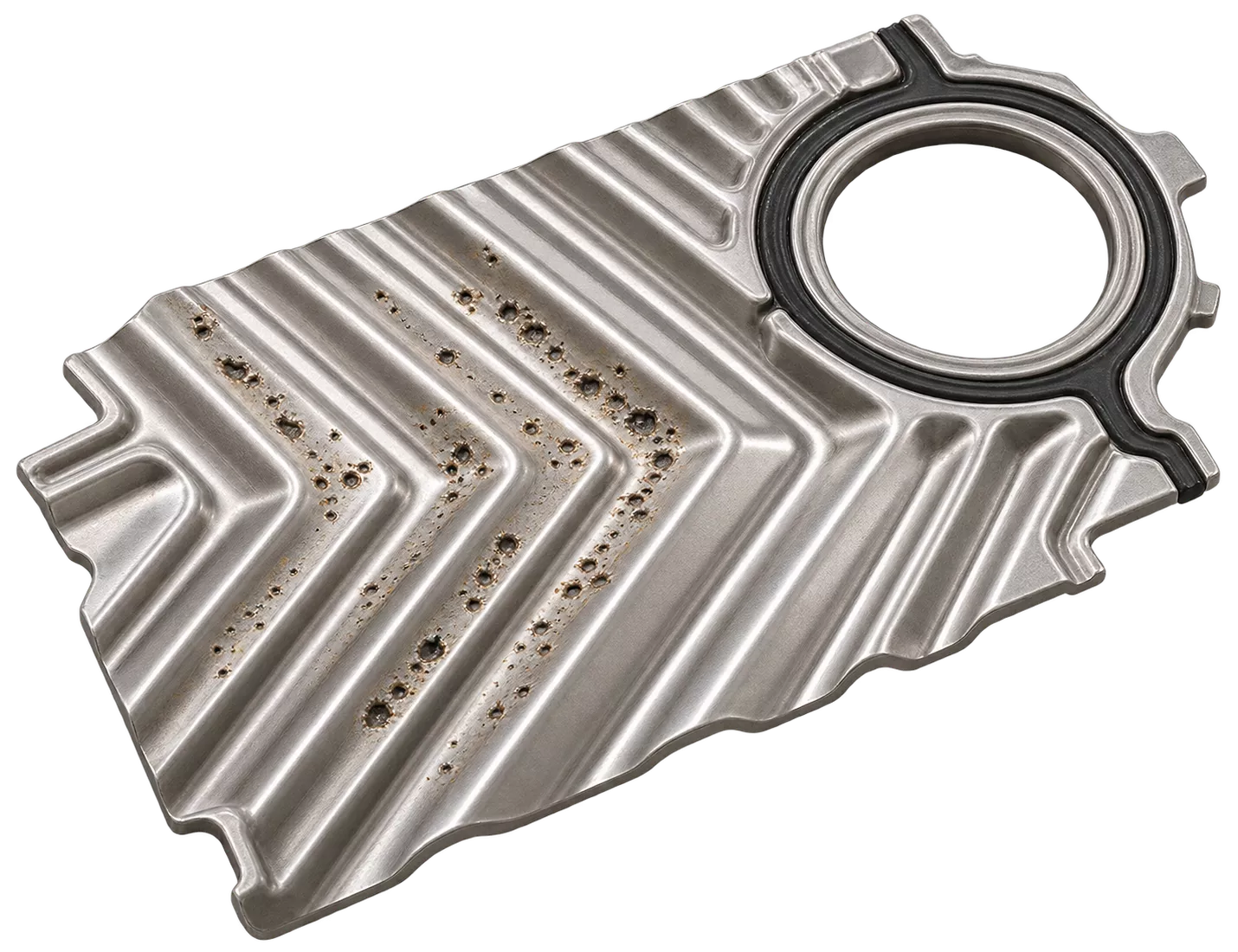
Defects caused by aggressive chemical load or temperature stress.
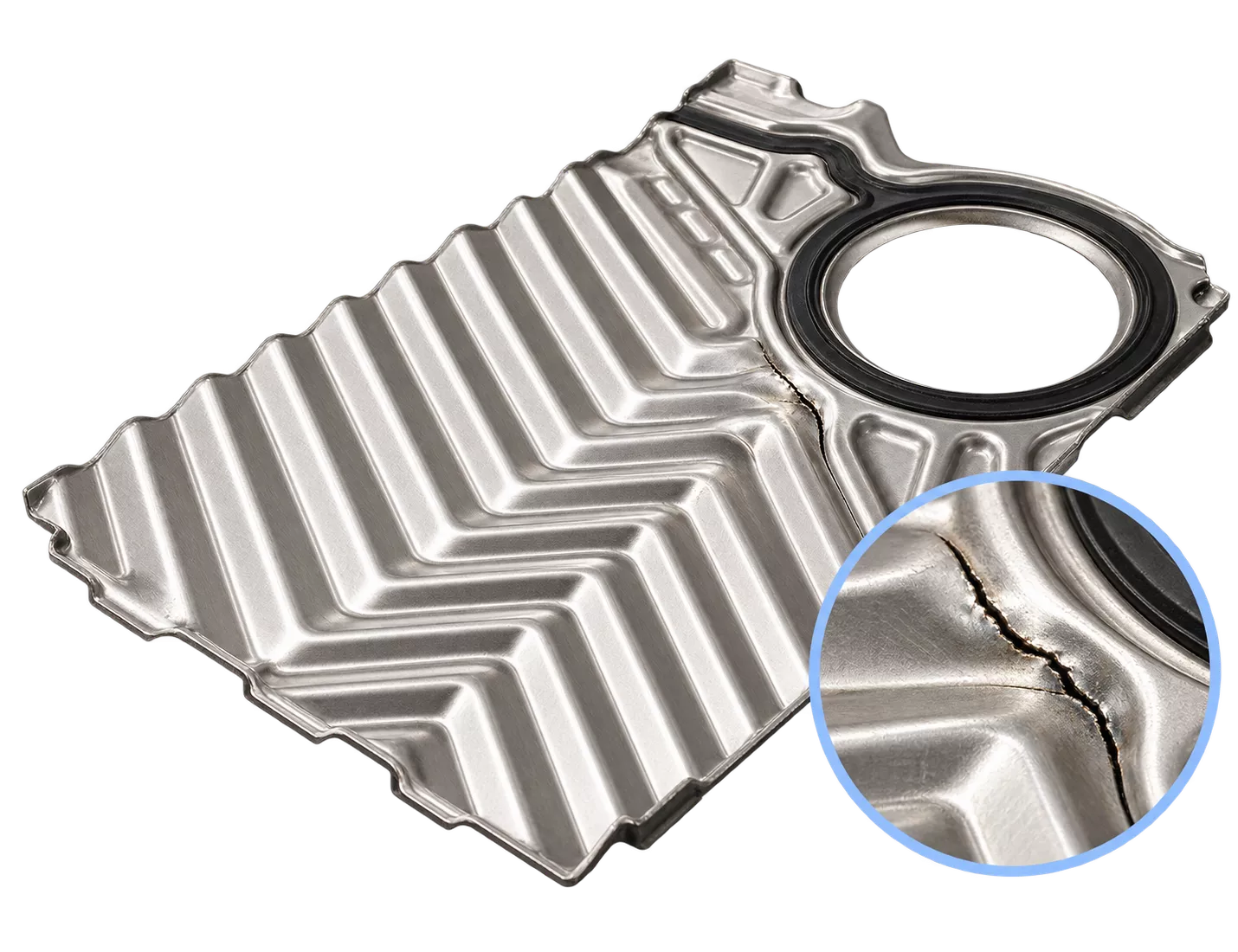
Progressive damage caused by long-term operating stress.
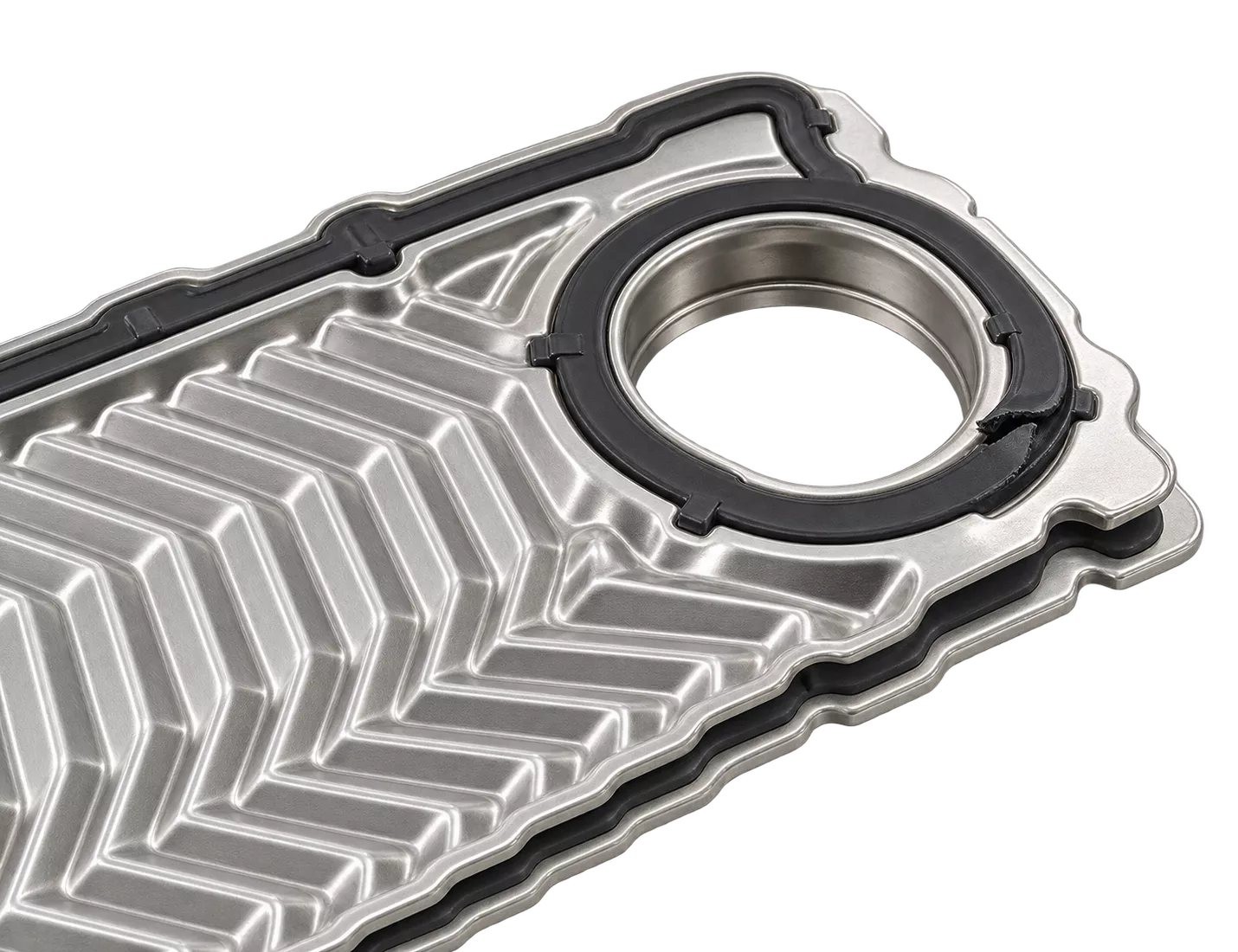
Loss of sealing performance across the plate pack or gasket system.
TYPICAL EQUIPMENT
This service is intended primarily for plate heat exchangers where leak tightness, internal separation of media, and seal condition are critical for reliable operation and product safety. It is especially relevant in food production environments where hidden defects can affect quality, safety, and uptime.
HOW THE TEST IS PERFORMED
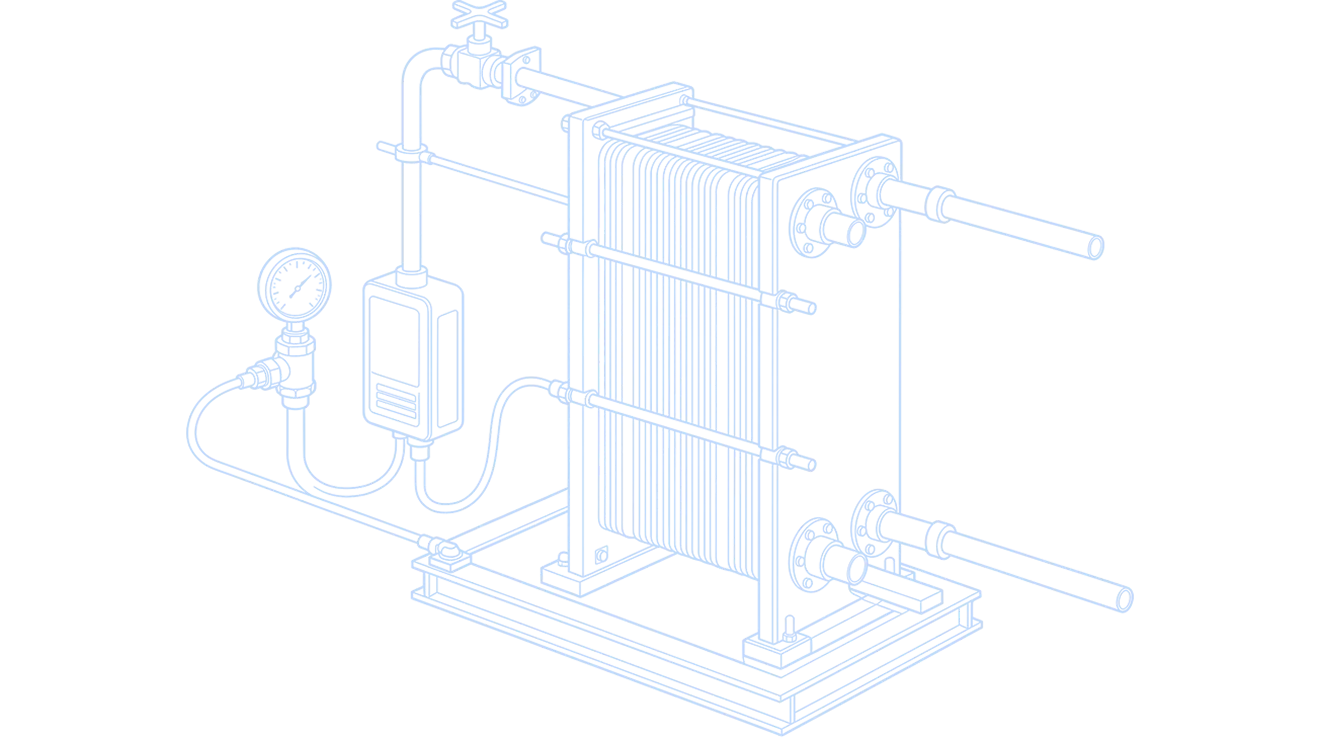
01
The heat exchanger is first cleaned with a CIP cycle, and the required piping connections are disconnected for testing.
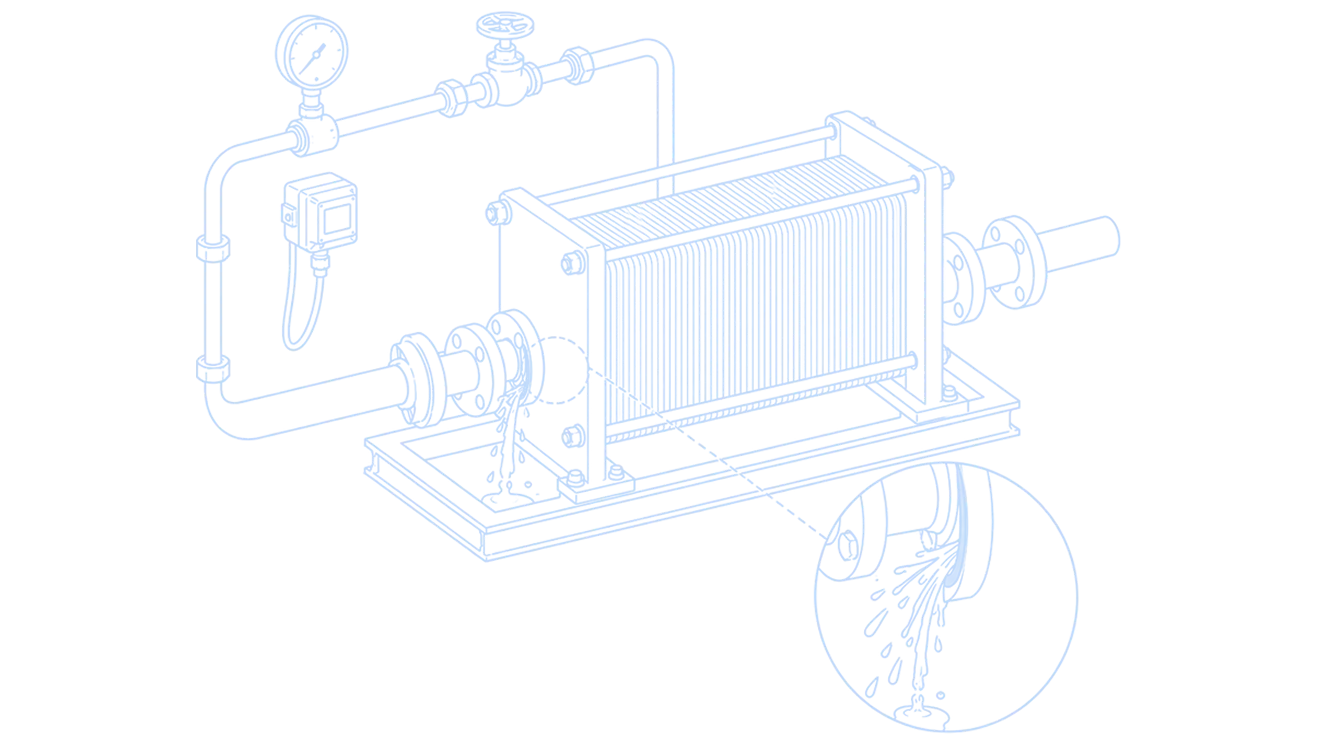
02
A gas mixture of 10% hydrogen and 90% nitrogen is introduced from one side of the heat exchanger, while a diaphragm pump creates a closed air loop on the other side. If a section is damaged, hydrogen passes through the defect into the air side. The instrument detects the leak rate and helps determine the size of the defect.
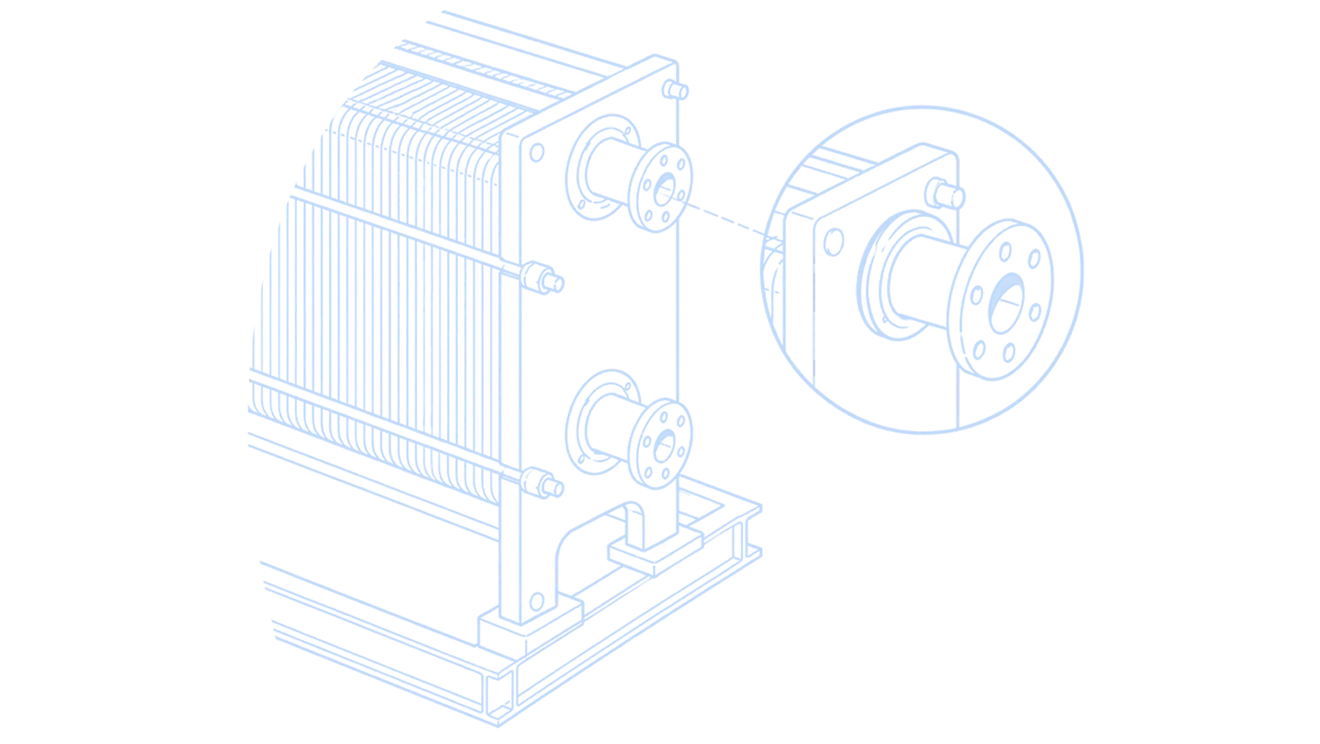
03
Once the section test is complete, the gaskets are also checked for seal tightness and integrity.
HOW THE SERVICE IS DELIVERED
01
Define which equipment, tanks, welds, or internal surfaces require inspection based on risk, history, or hygiene concerns.
02
Confirm that equipment is properly cleaned and, where relevant, assess whether additional preparation is required.
03
Perform the gas test according to the inspection sequence and inspect critical zones with detection equipment.
04
Record visible indications, defect locations, and relevant observations with photo evidence where applicable.
05
Define whether repair, additional inspection, repeat testing, or hygiene-risk follow-up is needed.
WHAT YOU GET
After the inspection, your team receives a structured report that documents the inspected equipment, the test result, detected defect size, and recommendations for troubleshooting and further operation.

DP
DD
PH
RT
RO
WHY THIS METHOD
There are various methods for testing the integrity of heat exchangers. The table below shows which defect types each method can reliably detect.
| Method | Through hole | Microcrack > 30µm | Microcrack < 30µm | Corrosion | Material fatigue | Seal condition |
| Hydraulic test | ||||||
| Hydrochemical test | ||||||
| Colouring test | ||||||
| GasTest N₂H₂ |
WHY CIP EXPERTS
01

We know CIP processes in detail and understand how hygiene issues develop in process equipment — and how to investigate them correctly.
02

We stay available before, during, and after the service to help the customer move from inspection findings to practical next steps.
03

We adapt the testing scope to the complexity of the project, the equipment involved, and the specific needs of each customer.
04

Every inspection ends with a clear, detailed report that shows the findings, highlights the problem areas, and outlines recommended actions.
FAQ
Does integrity testing require dismantling the heat exchanger?
No. The method is designed to check leak tightness without dismantling the equipment.
What type of gas is used in the test?
A safe forming gas mixture of hydrogen 10% and nitrogen 90% is used.
What kinds of defects can the method detect?
The method is intended to detect through holes, microcracks, corrosion-related defects, material fatigue, and seal-tightness problems in plate heat exchangers.
Related Pages
Explore complementary inspection, testing, and qualification services for a complete CIP validation scope.

Tell us about your equipment and production environment.
We will confirm scope, access requirements, and available dates within 1 business day.
Thank you for your request!
Our team will contact you soon to discuss your project and the next steps.
Request Sent
Thank you for contacting CIP Experts. Our manager will contact you within one business day.
