Fully automated, pre-tested CIP stations designed around your process for reliable
hygiene, lower resource consumption, and better control. We combine hygienic engineering, configurable automation, optional monitoring, and expert support before and after commissioning.
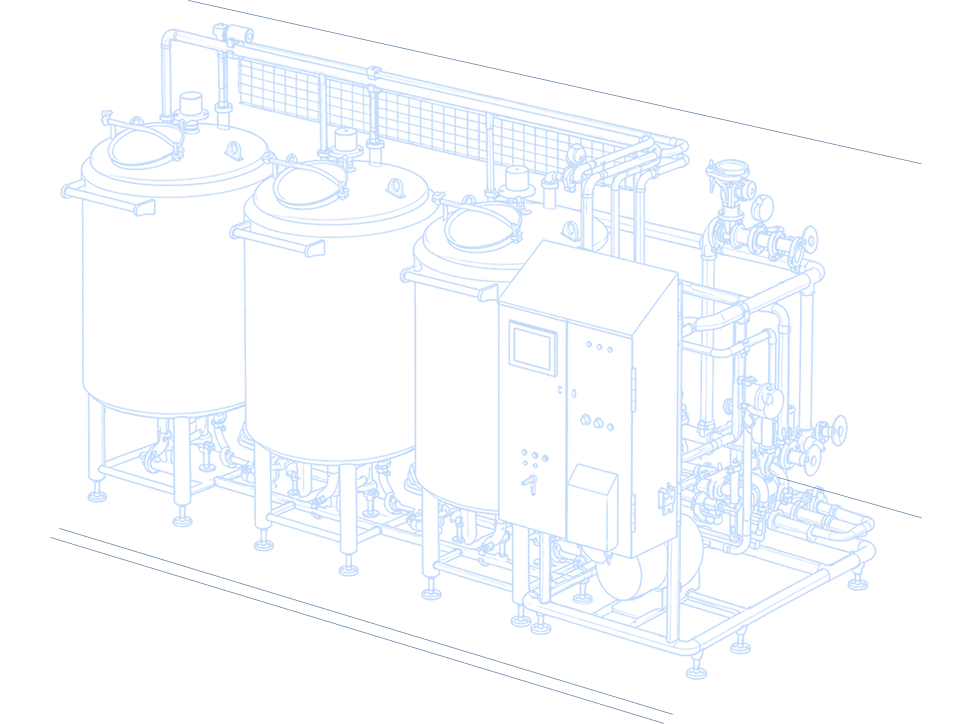

7,5k-50k
Flow rate, l / h

1-6
Tanks / lines

fat
Pre-tested

2 years
Warranty
What Is an Automated CIP Station
An automated CIP station is a self-contained Clean-in-Place system used to clean tanks, pipelines, heat exchangers, and other process equipment without disassembly. Depending on project requirements, the CIP skid can be configured from a proven station range or engineered as a custom CIP system. It runs configurable cleaning recipes, controls key parameters in real time, and supports repeatable cleaning results across production.
Unlike manual or semi-automated cleaning, an automated CIP station provides control over flow rate, temperature, concentration, step sequence, and cycle duration. Configured by CIP Experts for your specific production process, the station reduces process variability, downtime, and unnecessary consumption of water, cleaning chemicals, and energy.
COST OF A CIP STATION
The purchase price of a CIP station is only part of the real cost. Hidden losses usually come later —
through downtime, chemical waste, failed audits, re-validation, and re-work when the system does not match the cleaning task. Low-cost standard stations may look similar at equipment level, but often fall short in real process conditions.
Before comparing prices, compare what the station is expected to do in your process.
| Options | Standard CIP Station | Custom CIP Station | CIP Station with FlowQeeper |
| Custom process engineering | — | ++ | ++ |
| FAT (Factory Acceptance Test) | — | ++ | ++ |
| SAT (Site Acceptance Test) | — | ++ | ++ |
| DQ/IQ/OQ/PQ equipment qualification | — | ++ | ++ |
| Cycle reports & documentation | — | ++ | ++ |
| Real-time process monitoring | — | — | ++ |
| Alerts & anomaly detection | — | — | ++ |
| Post-commissioning support | — | — | ++ |
| Recipe optimisation with data | — | — | ++ |
| Sensor-driven endpoint control | — | — | ++ |
| Remote process engineering | — | — | ++ |
Configuration Options
Every CIP Experts station starts with your process conditions. Depending on complexity, timeline, and cleaning requirements, we offer either a configured station based on a proven model range or a fully custom-engineered solution built around your process.
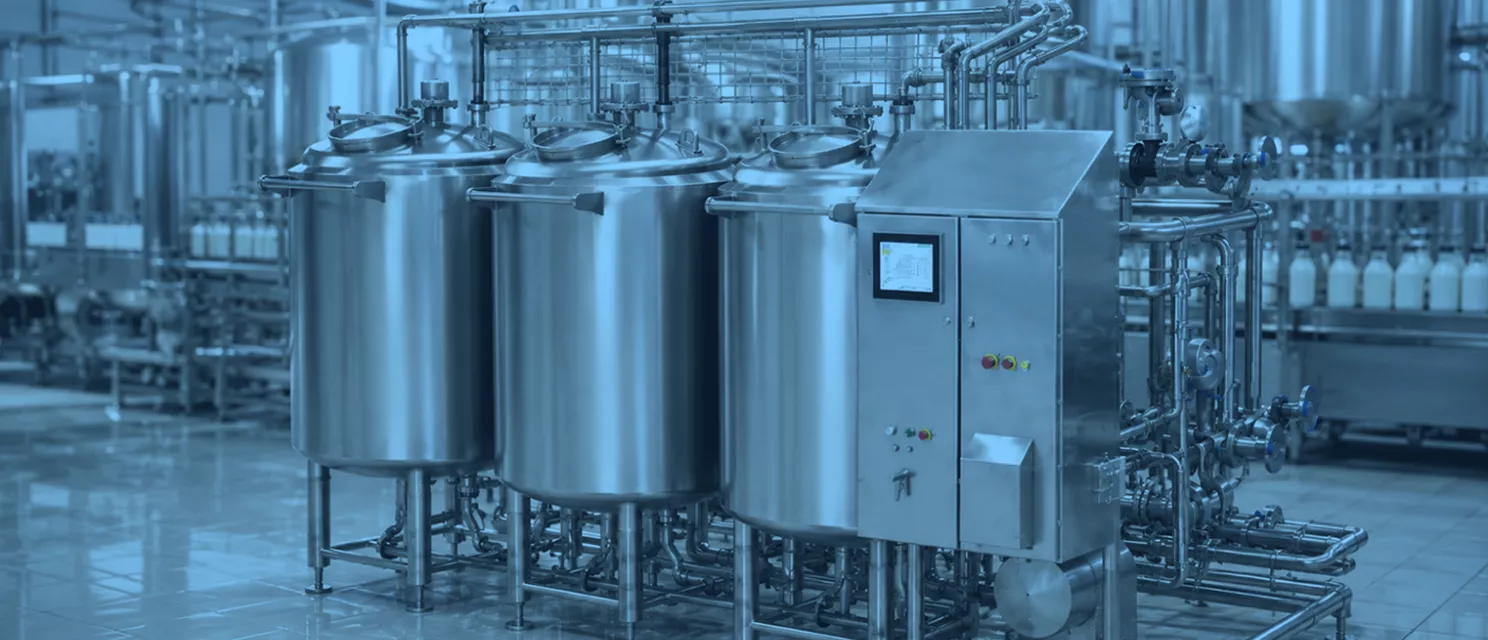
Standard Range
Based on our proven model range — selected and configured for your flow,
tank count, and heating method. Faster lead time, lower cost.
Flow rates:
7,500 / 15,000 / 30,000 / 50,000 l/h
Piping:
DN32…DN100
Tank:
0.5 … 100m³
Supply pressure range:
3 … 8 bar
Footprint per unit:
2.3×1.0×2.3m (L×W×H)
Material:
AISI316L with Ra=0.8µm surface finish
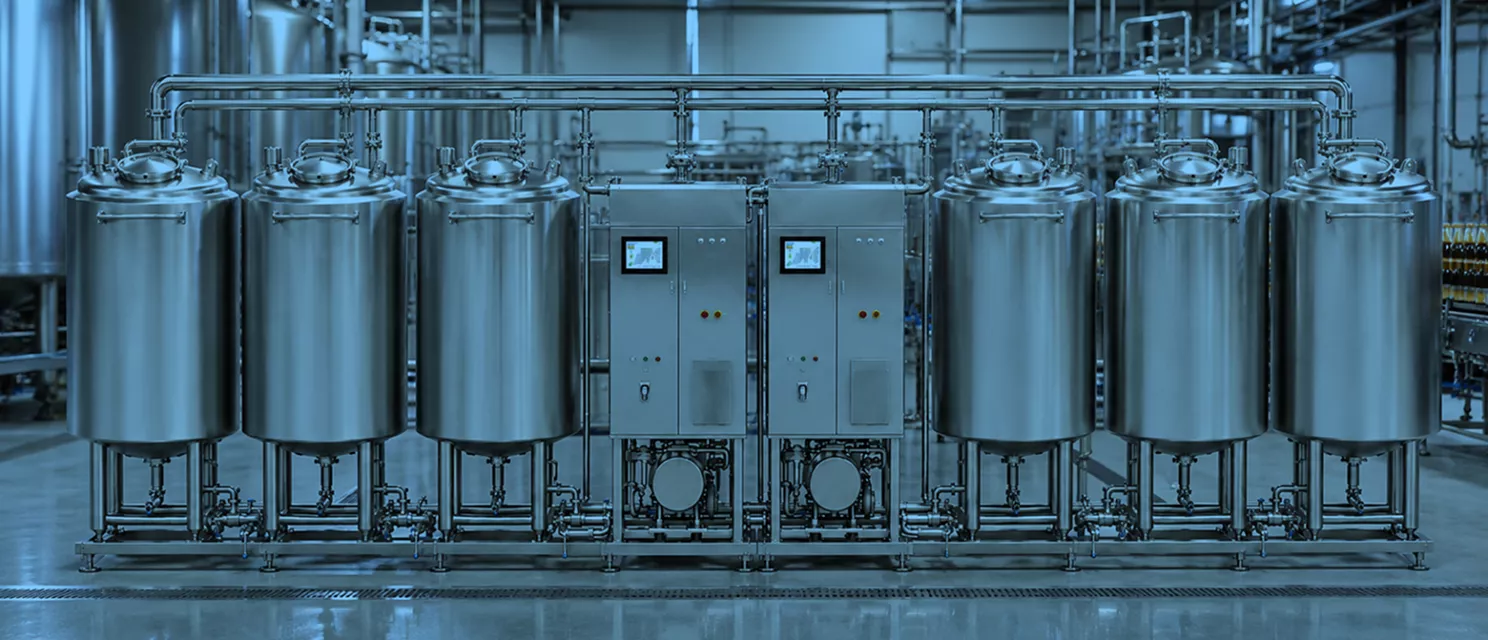
Our USP — Custom Engineering
Designed from your process data — product residues, cleaning objects,
utility constraints, and integration requirements.
MAIN COMPONENTS
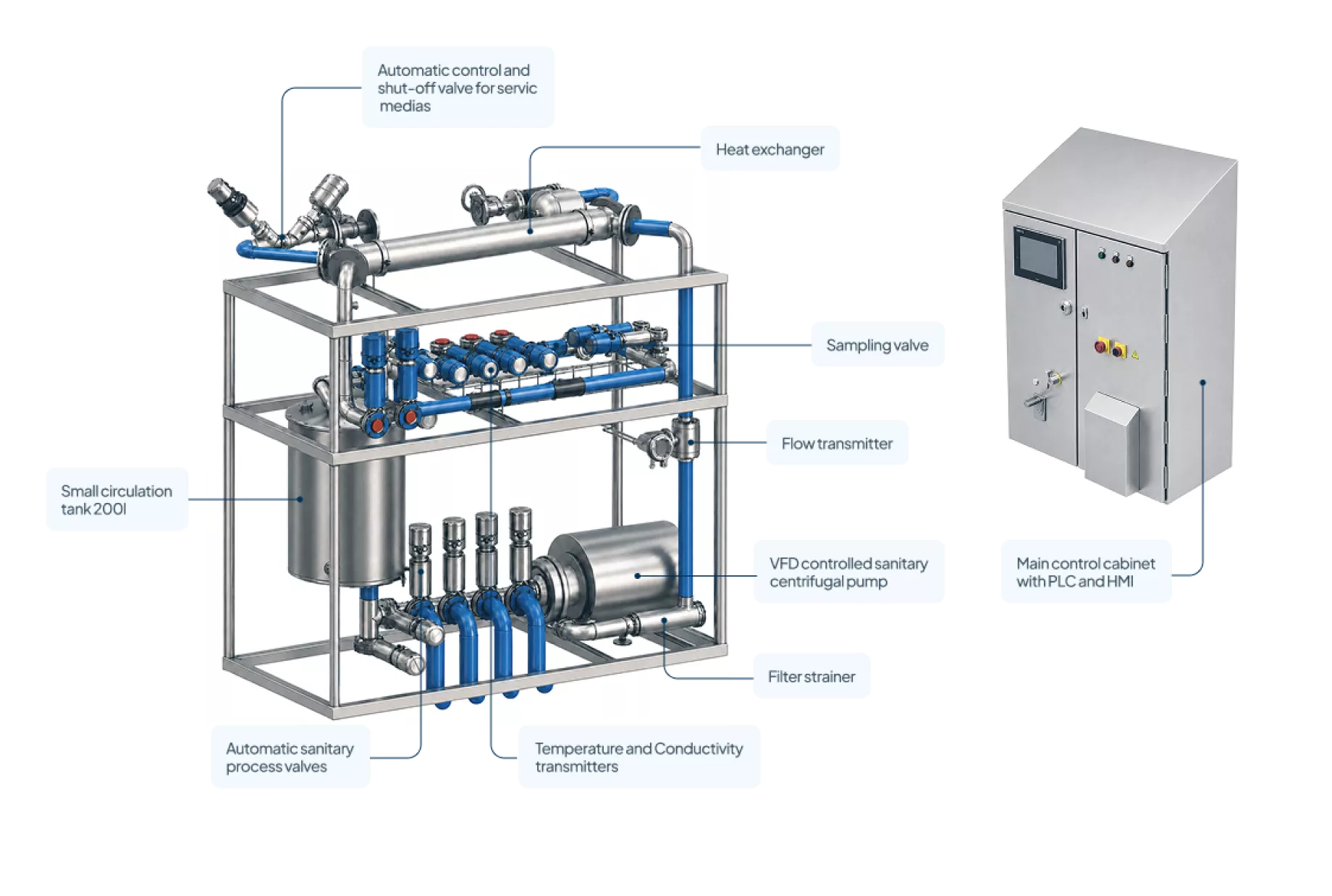
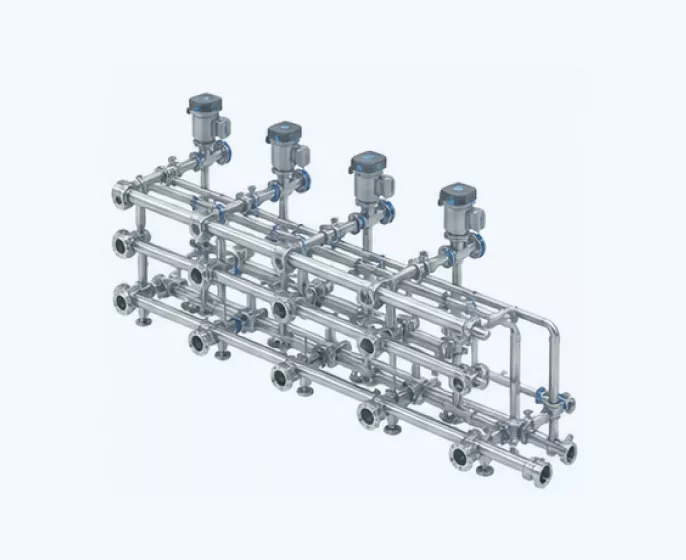
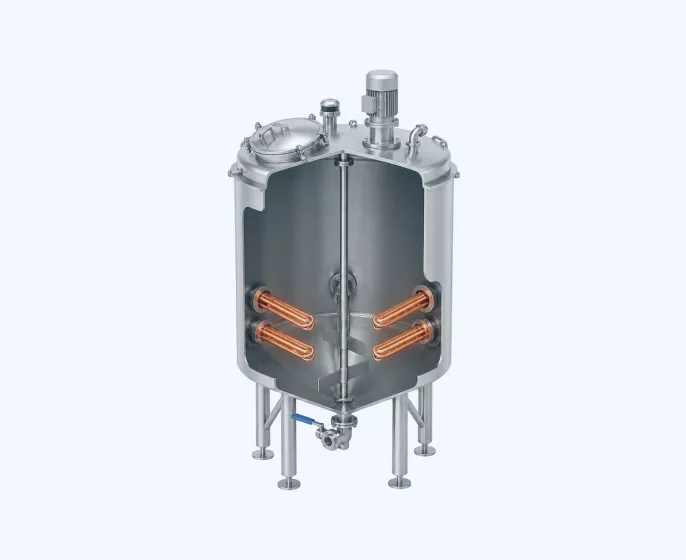
All automated CIP stations are assembled on hygienic stainless-steel skids and configured as integrated cleaning systems. Each station consists of solution tanks, supply pumps, valves and actuators, PLC/HMI, instrumentation, and heating equipment selected and configured for your process.
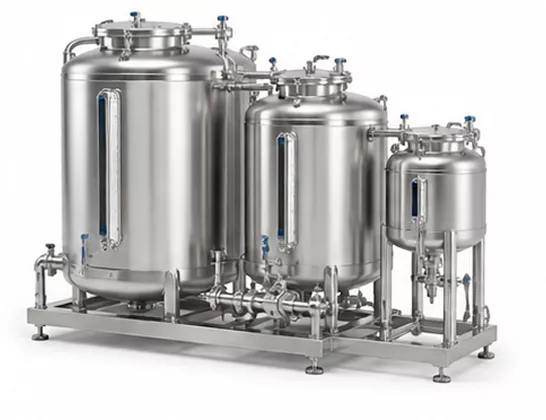
1–6 tanks for lye, acid, hot water, rinse.
Recovery or single-use detergent system.
Tank capacity: 0.5–100 m³.
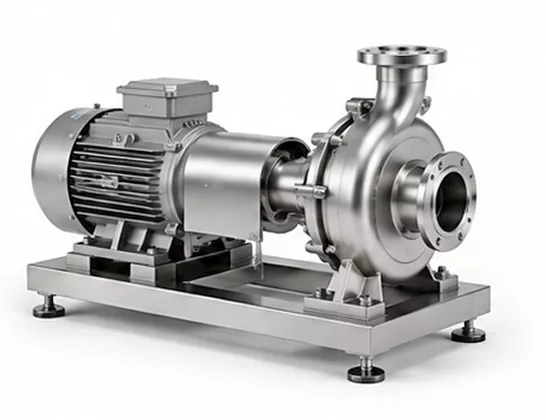
7,500–50,000 l/h centrifugal pumps.
3–8 bar supply pressure.
Piping: DN32–DN100.
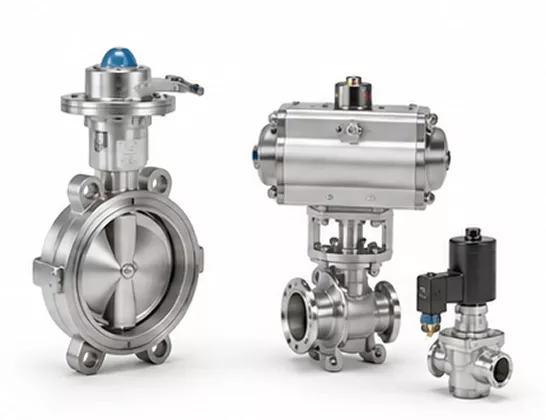
Butterfly, seat, diaphragm.
Pneumatic or electric.
AS-i / IO-Link control heads.
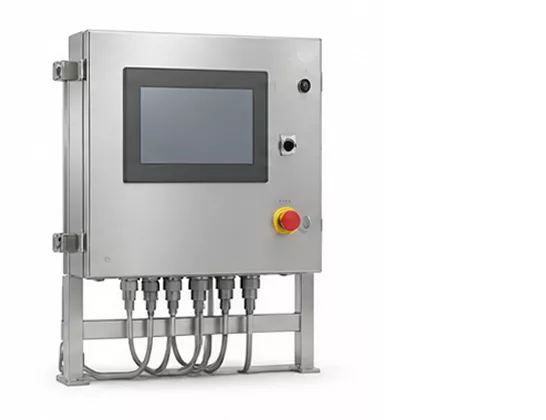
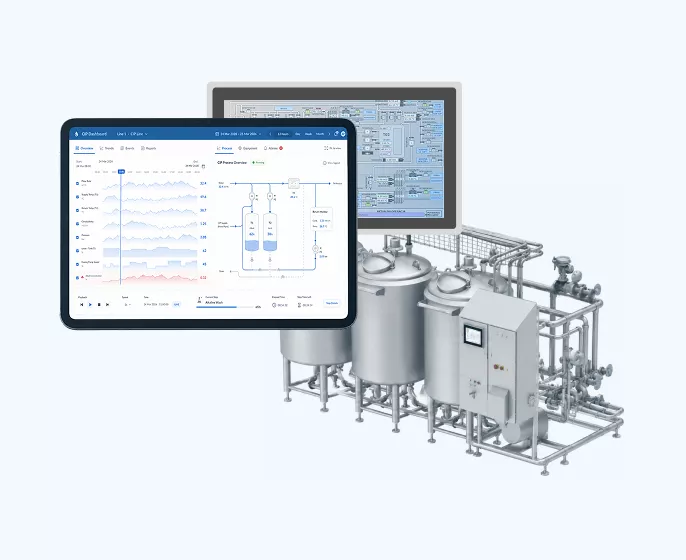
Siemens PLC with touchscreen HMI.
Configurable access levels.
SCADA-ready.
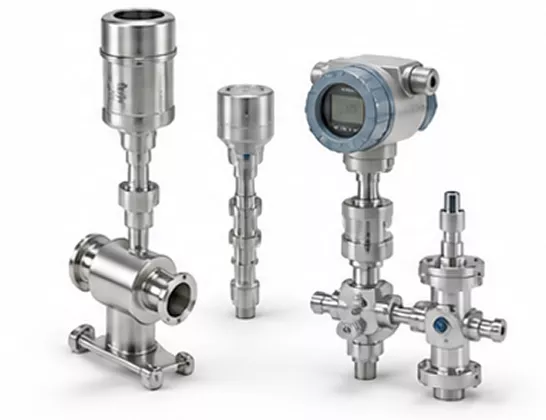
E+H / IFM sensors: flow, conductivity, temperature, pressure, level, turbidity.
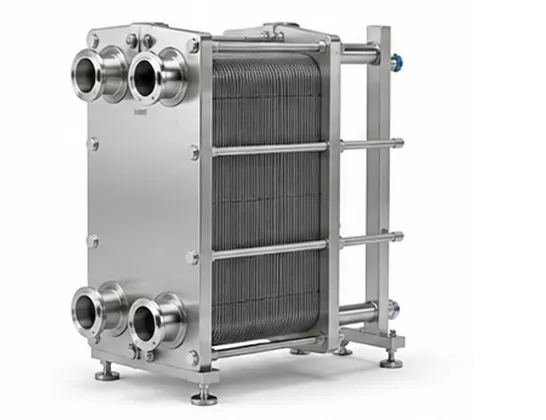
Plate or tubular heat exchanger for heating cleaning solutions.
Electric, hot water, steam, or combined heating options.

Built-In Process Intelligence
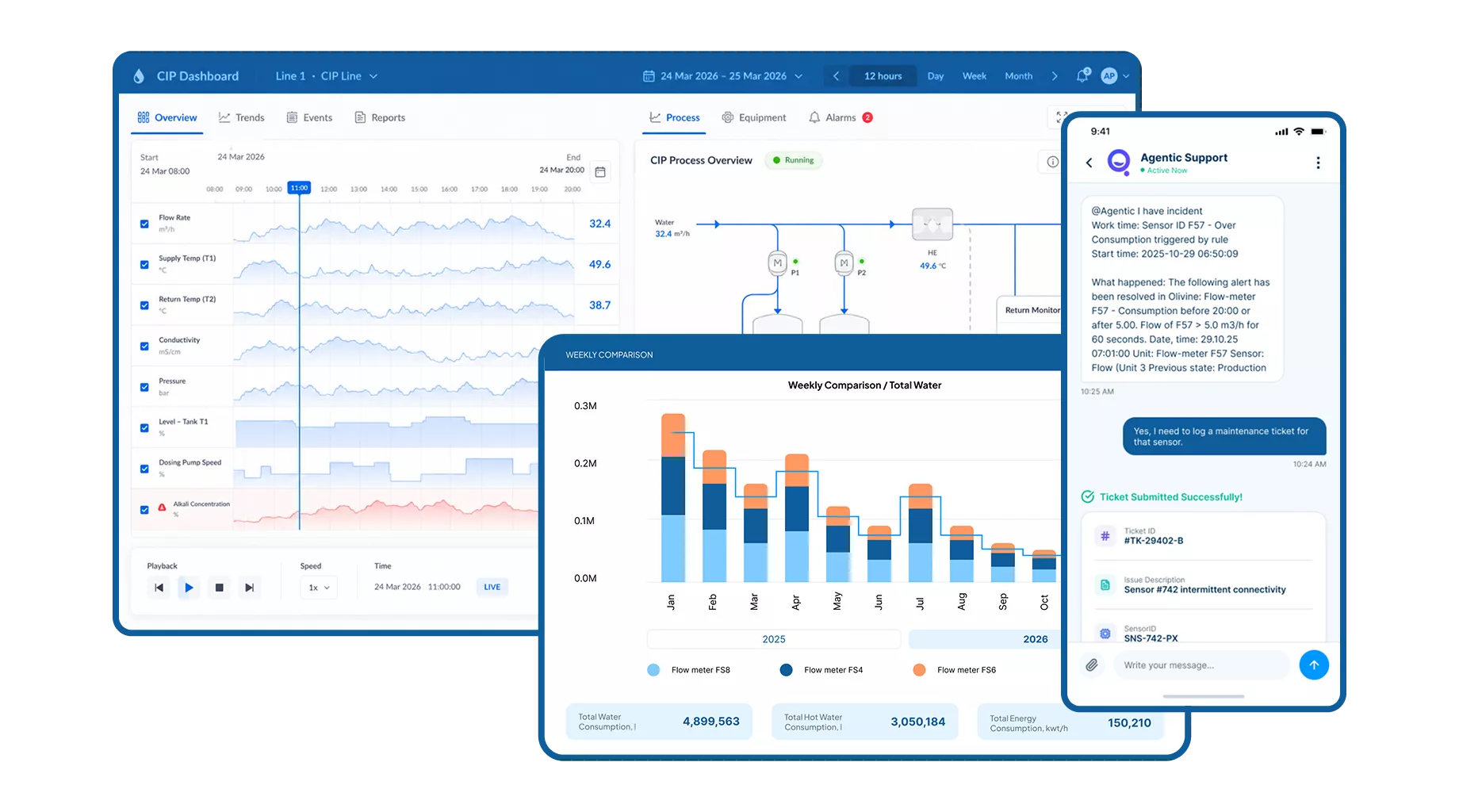
CIP station becomes more valuable when the cleaning process is visible. Logging, reporting, alerts, and optional monitoring layers help teams trace cycle execution, support audits, and improve cleaning performance over time.
Monitoring-ready configurations are available with FlowQeeper integration, our CIP monitoring and process intelligence software. Instead of guessing what happened during last night’s cleaning cycle, you see exactly what occurred — and get an alert if anything was out of spec.
Configuration and Customisation
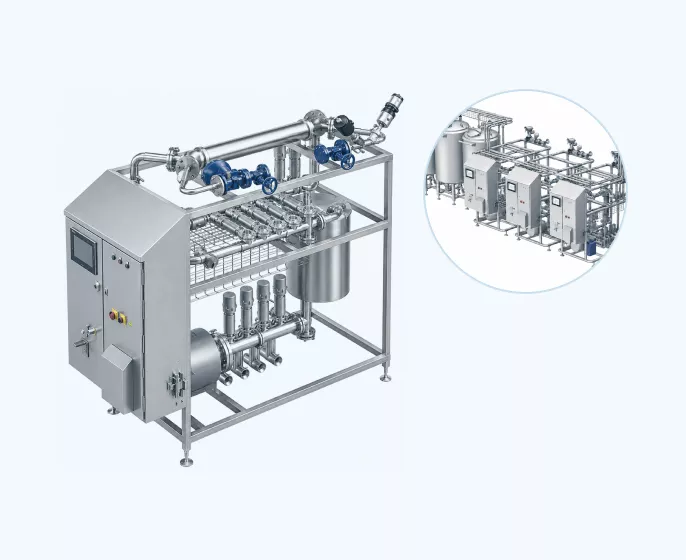
Station configuration can vary significantly depending on flow demand, cleaning objects, utility availability, detergent strategy, automation level, and reporting requirements.
What You Get — Not Just Hardware
We support the cleaning process behind it through design input, installation and commissioning support, training, troubleshooting, and follow-up optimization.
1 day
1 week
up to 2 weeks
up to 12 weeks
2 weeks
2 weeks
1 year

Remote process engineering support
A dedicated process engineer reviews your cycle data monthly and proposes recipe improvements.
2 year

Full equipment warranty
2-year warranty on all components and the complete assembled unit.

Modular design — upgradeable
Add supply lines, tanks, or monitoring modules as your production grows — without replacing the core unit or the control system.
Project Deliverables
The project includes more than the physical station. It also includes the documentation, setup support, and engineering scope needed to put the system into operation and keep it working properly.

ENG
SPEC
P&ID
FAT
COM
TRN
REC
IQ/OQ
MON
INDUSTRIES & EQUIPMENT
CIP stations designed for hygienic liquid process environments where repeatable automated cleaning, process control,
and cleanability matter.

Pasteurisers, separators, storage tanks. High-frequency cycles, protein and fat residue removal.
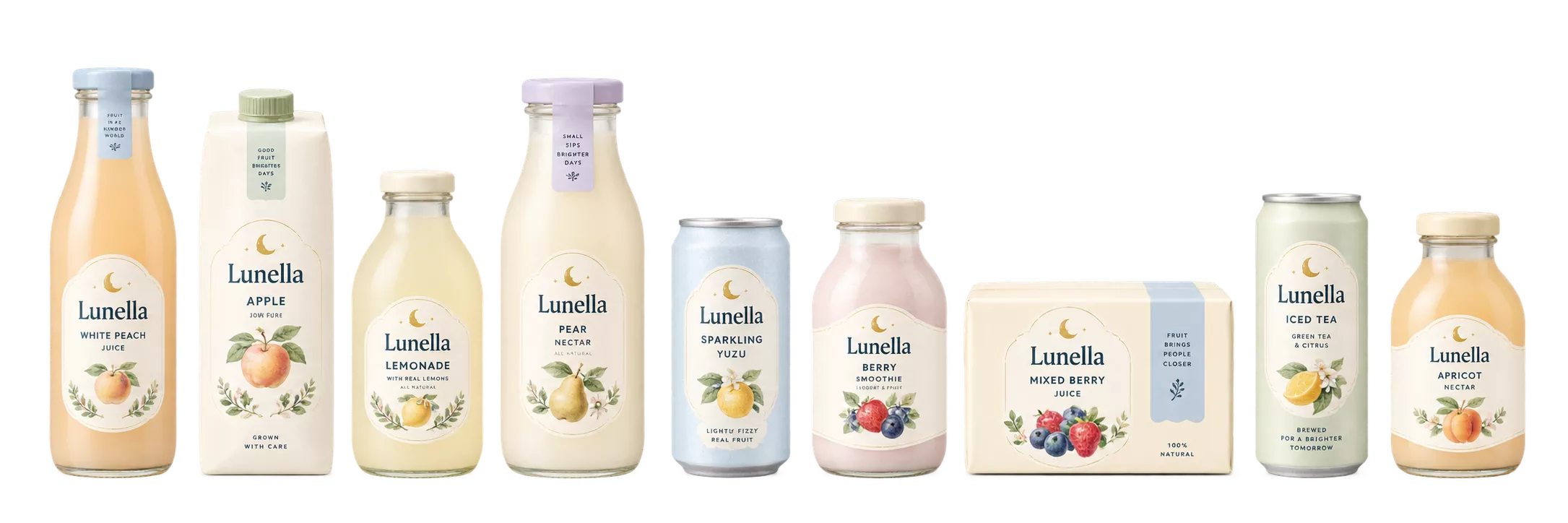
Flavour carry-over prevention, blending tanks, filling lines. SKU changeover cleaning.

Fermenters, bright beer tanks, filtration lines. Beerstone and yeast residue removal between brews.
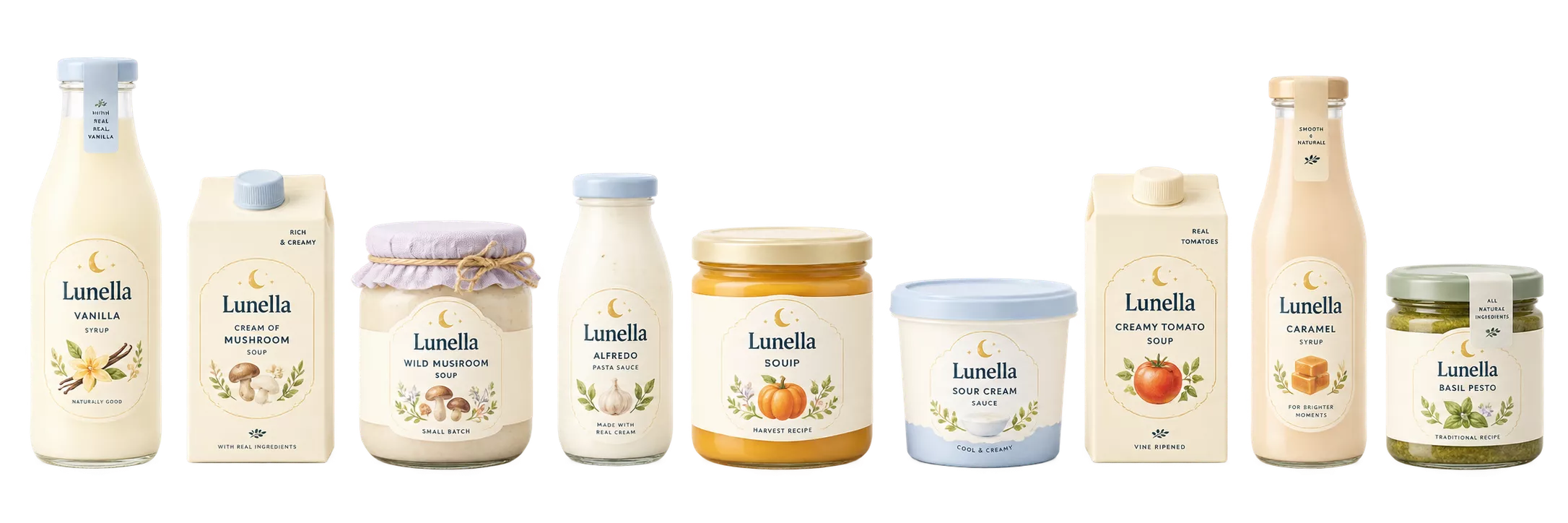
Sauces, soups, confectionery syrups. Compliance documentation per cycle, full traceability.

Hygienic Design and Standards
All CIP Experts stations are designed in accordance with hygienic engineering
guidelines and industry standards.


FAQ
When do I need a custom CIP station instead of a standard unit?
The main components — pumps, valves, tanks, and sensors — may be standard, but their integration depends on the specific process. A custom solution is required when the site has specific constraints, challenging products or soil types, multiple cleaning objects, or integration requirements for existing automation systems.
What is the difference between a single-use and a recovery system?
Single-use: The cleaning solution is used for one cycle and then discharged. This configuration is suitable when reuse is not appropriate because of product requirements, quality standards, or cross-contamination risks.
Recovery: Used alkaline and acid solutions are returned to dedicated tanks for subsequent reuse. This reduces water and chemical consumption, although the actual savings depend on the process and the level of solution contamination.
Can cycle time be reduced without compromising cleaning performance?
Yes — after analysing the process parameters and confirming the cleaning result. Time, temperature, concentration, and flow are interdependent, so changing one parameter requires an assessment of the complete process. Turbidity, conductivity, and other endpoint sensors can determine when rinsing is complete based on actual process conditions instead of a fixed timer.
When should a CIP process be revalidated?
The frequency should be defined by the approved validation plan and risk assessment. Revalidation is also required after significant changes to the product, cleaning recipe, equipment, piping, cleaning chemicals, or automation, as well as after recurring deviations or unstable hygiene results.
RELATED PAGES
Explore related solutions for modernizing, digitalizing, and optimizing your CIP process.
Thank you for your request!
Our team will contact you soon to discuss your project and the next steps.
Request Sent
Thank you for contacting CIP Experts. Our manager will contact you within one business day.
