Achieve reliable, repeatable hygiene across dairy production with CIP solutions engineered around your products, equipment, and cleaning conditions.
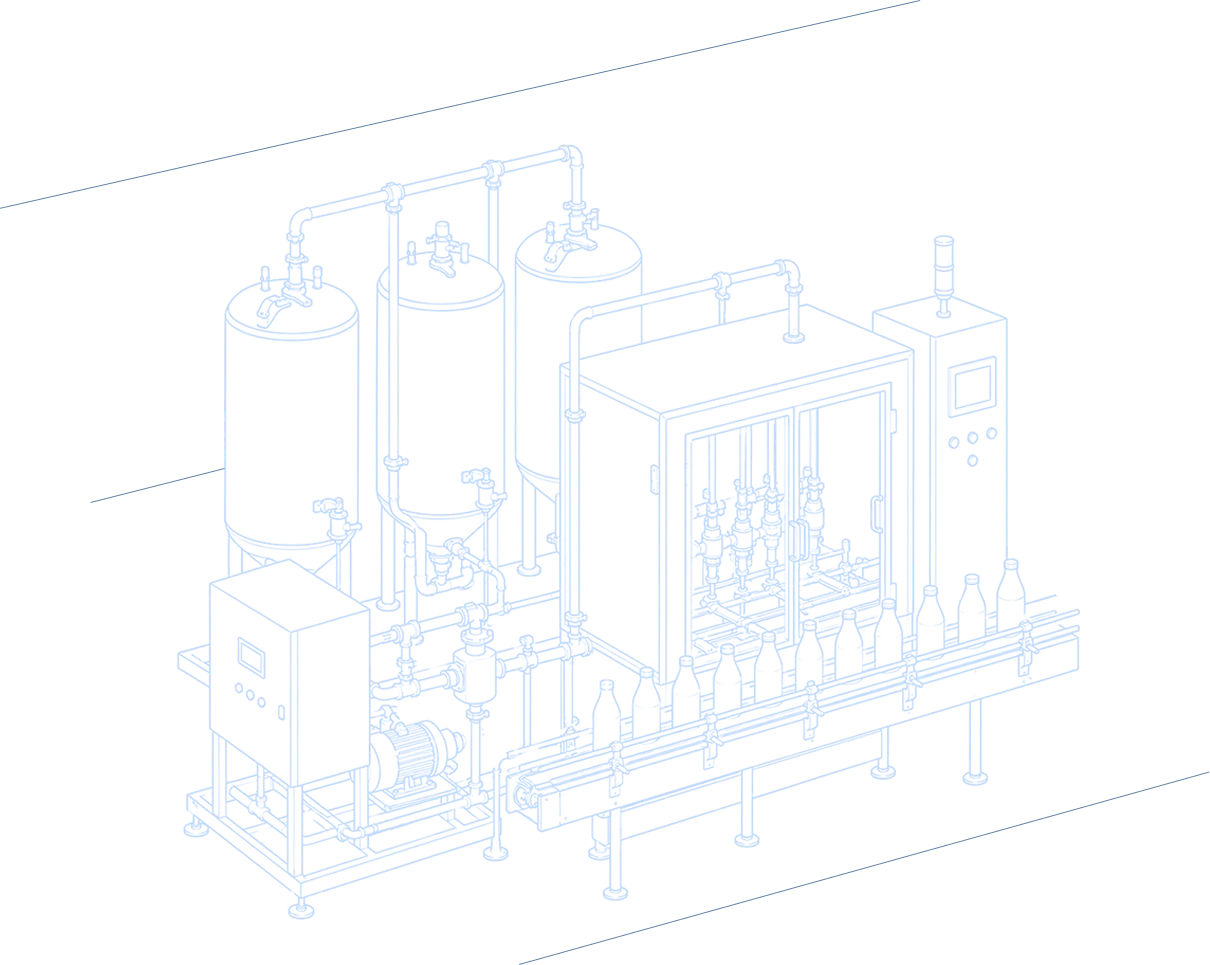

Dairy Industry Context
In dairy plants, cleaning performance directly affects hygiene, microbiological safety, product quality, and production continuity. Residues such as proteins, fats, and dairy solids increase the risk of incomplete cleaning, while frequent product changes and strict hygiene expectations make repeatability and traceability essential.
 | Protein and fat residuesDairy soils — particularly whey proteins and butterfat — create complex, layered fouling that requires dual-chemistry CIP with precise temperature and timing control. |
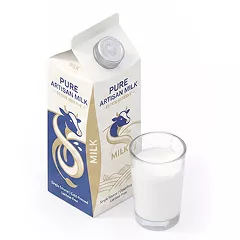 | Hygiene-critical production environmentDairy products support rapid microbial growth. A single incomplete cleaning event can lead to contamination, spoilage, or a serious food safety incident. |
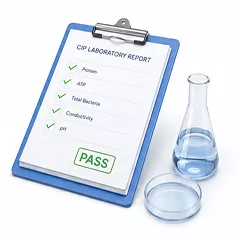 | Strong need for repeatable cleaning and traceabilityRetailers, certifiers, and regulators require documented evidence that every cleaning cycle was completed correctly — not just that a CIP was started. |
Common Challenges
Dairy production often exposes hidden cleaning weaknesses that affect hygiene, audits, and resource use. These problems are not always caused by one failure point — they are often the result of inconsistent execution, weak visibility, outdated routines, or limited technical support in daily operations.

β-lactoglobulin and other whey proteins denature and polymerise on pasteuriser plates above 70°C, forming tenacious deposits that require precisely timed alkaline washing.

Calcium and magnesium salts in milk precipitate on hot plate surfaces, forming milkstone that insulates heat transfer and harbours bacteria.

Dairy biofilm can establish in dead legs, behind poorly seated gaskets, in damaged weld zones, and wherever flow velocity drops below 1.5 m/s during CIP.

Dairy lines typically require CIP 3–8 times daily. Every minute spent cleaning is a minute of lost production capacity — over-long cycles cost real money.
Why These Problems Happen
In many dairy plants, cleaning performance still depends too much on routines, habits, and operator experience. When process visibility is limited and expert CIP knowledge is not available in daily operations, the result is unstable execution, excessive resource use, and higher hygiene risk.
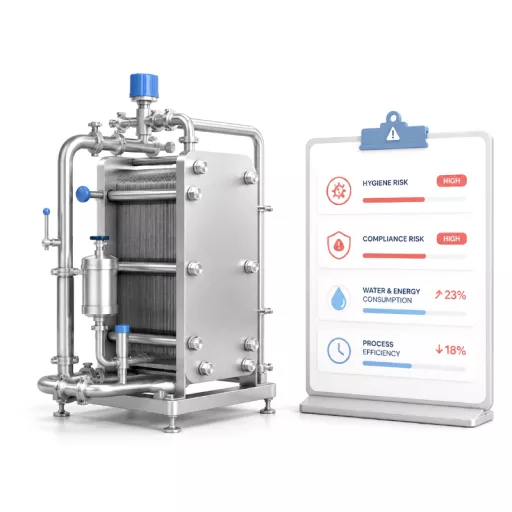
Skills gap during execution
Fixed routines instead of live control
Weak visibility into cycles
Limited documentation discipline
Inconsistent cleaning quality
Extra water and chemical use
Delayed response to deviations
Audit and compliance risk
Relevant Solutions for Dairy
Every service we offer is relevant for dairy — but these three address the most common and costly CIP challenges specific
to dairy production environments.
01
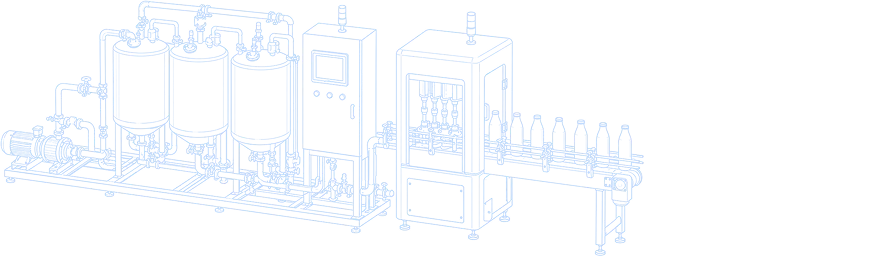
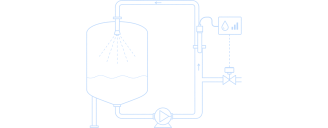
Custom-engineered for dairy soil types and cycle frequencies — with detergent recovery, EHEDG-compliant design, and built-in monitoring.
02
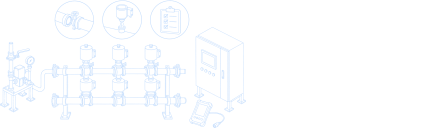
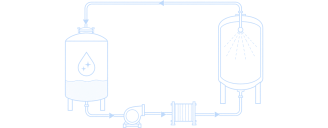
Full validation for CIP processes — from equipment qualification (DQ/IQ/OQ/PQ) to riboflavin spray coverage, biofilm detection, and microbiological testing.
03
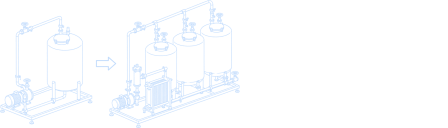
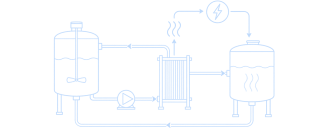
Reduce water, chemical, and energy consumption by 20–50% through data-driven recipe analysis and sensor-driven end-point detection.
Cleaning Validation
Dairy cleaning validation is required by HACCP, ISO 22000, and increasingly by major retailers’ own audit schemes. For dairy, this means demonstrating that your CIP process consistently removes protein, fat, and microbial contamination — and documenting the evidence.
The qualification sequence for dairy CIP typically starts with DQ (correct design, no dead legs, compliant materials), moves through IQ and OQ (installation and operational verification), and concludes with PQ — the performance evidence that cleaning actually works.
DQ

IQ

OQ

PQ


Penetrant testing for surface defects


Boro/videoscopes · Welds · Gaskets quality


Biofilm presence · Residue-prone zones · Surface hygiene

Monitoring
Know exactly what happened in every cleaning cycle — temperature, flow, conductivity, and timing — for every zone in your dairy plant.
Live per-line dashboards showing all critical CIP parameters. Each cleaning line has its own view — operators see exactly what is happening, right now.
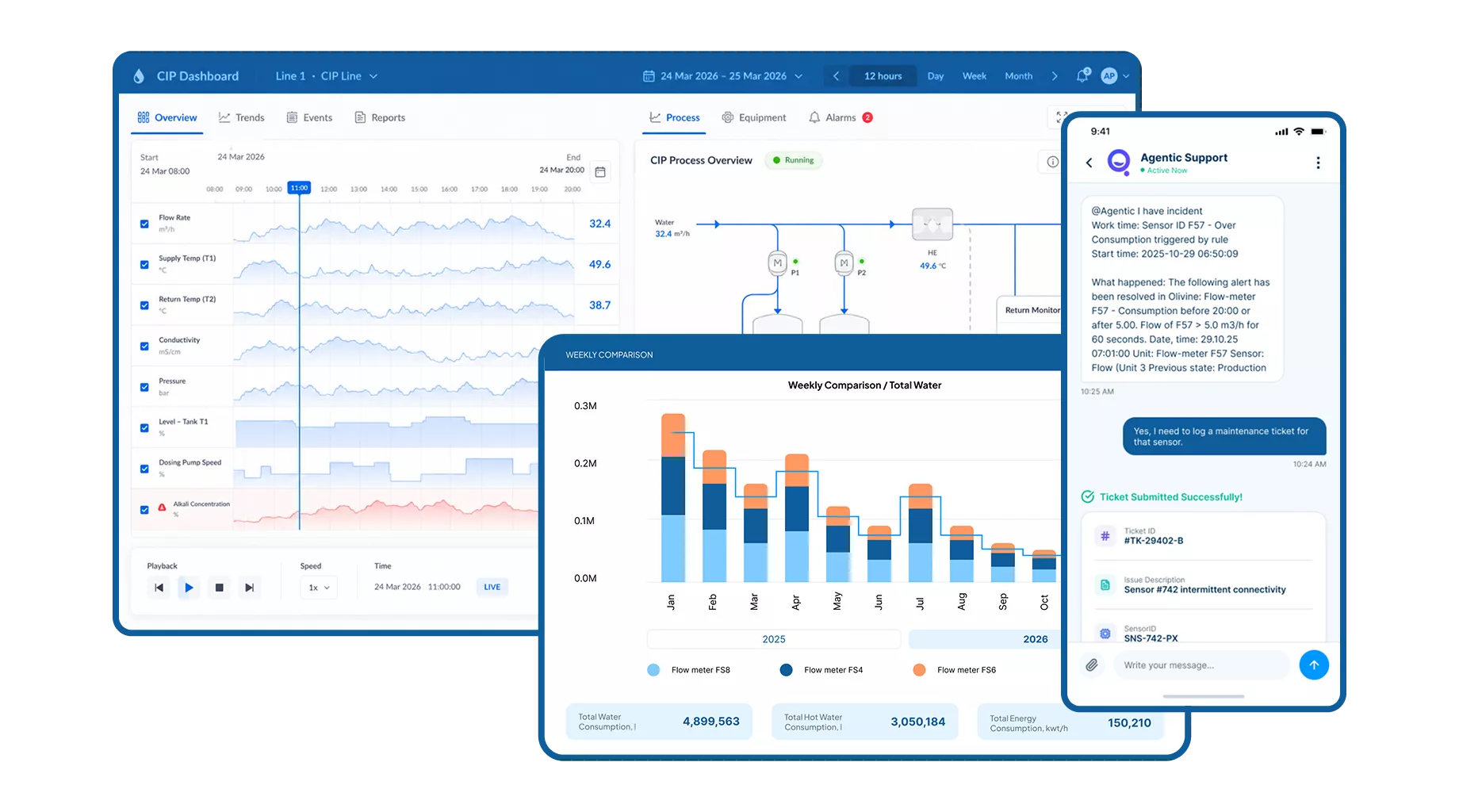
Configurable threshold alerts for every parameter.
Push notifications to operators the moment a deviation occurs — not at the end of the shift.
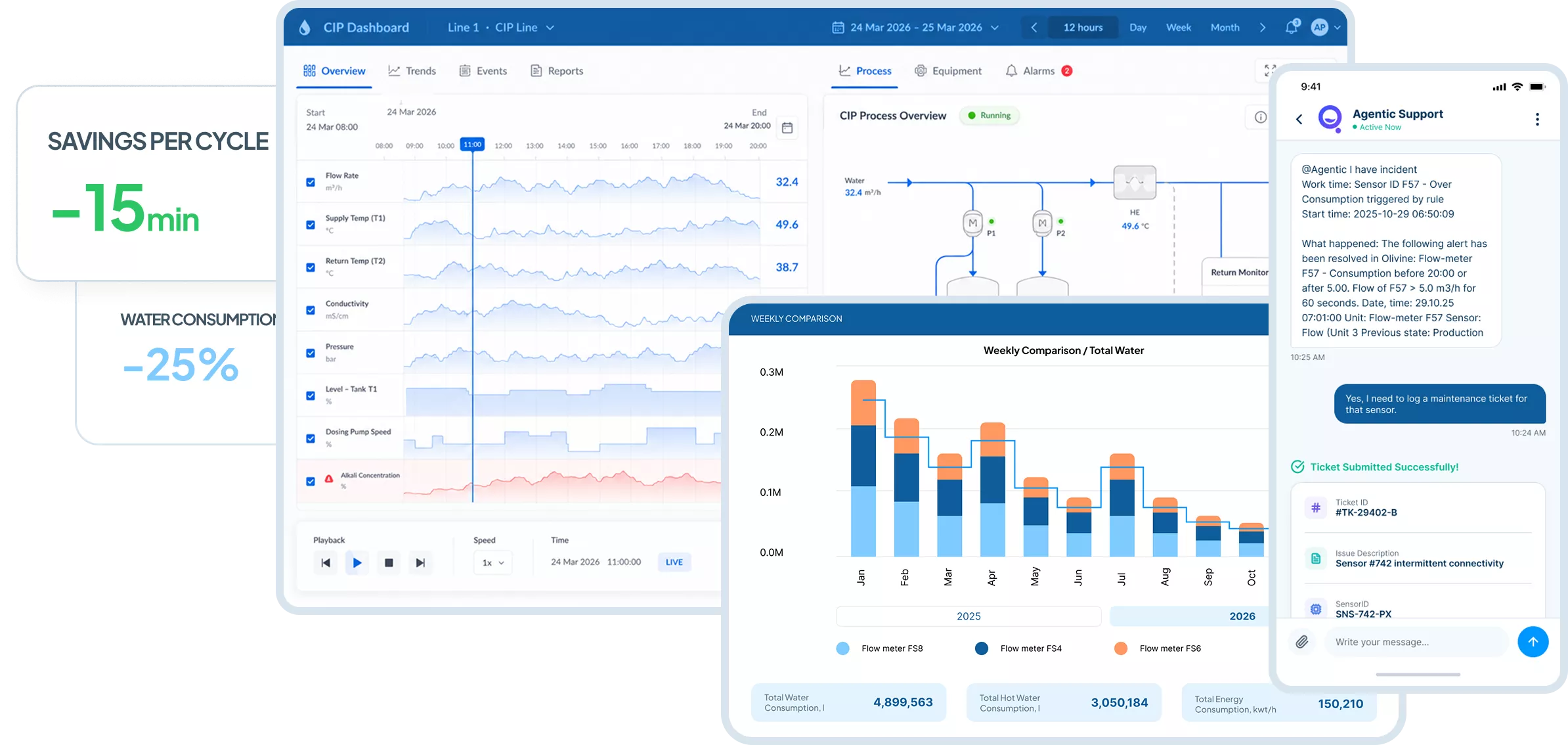
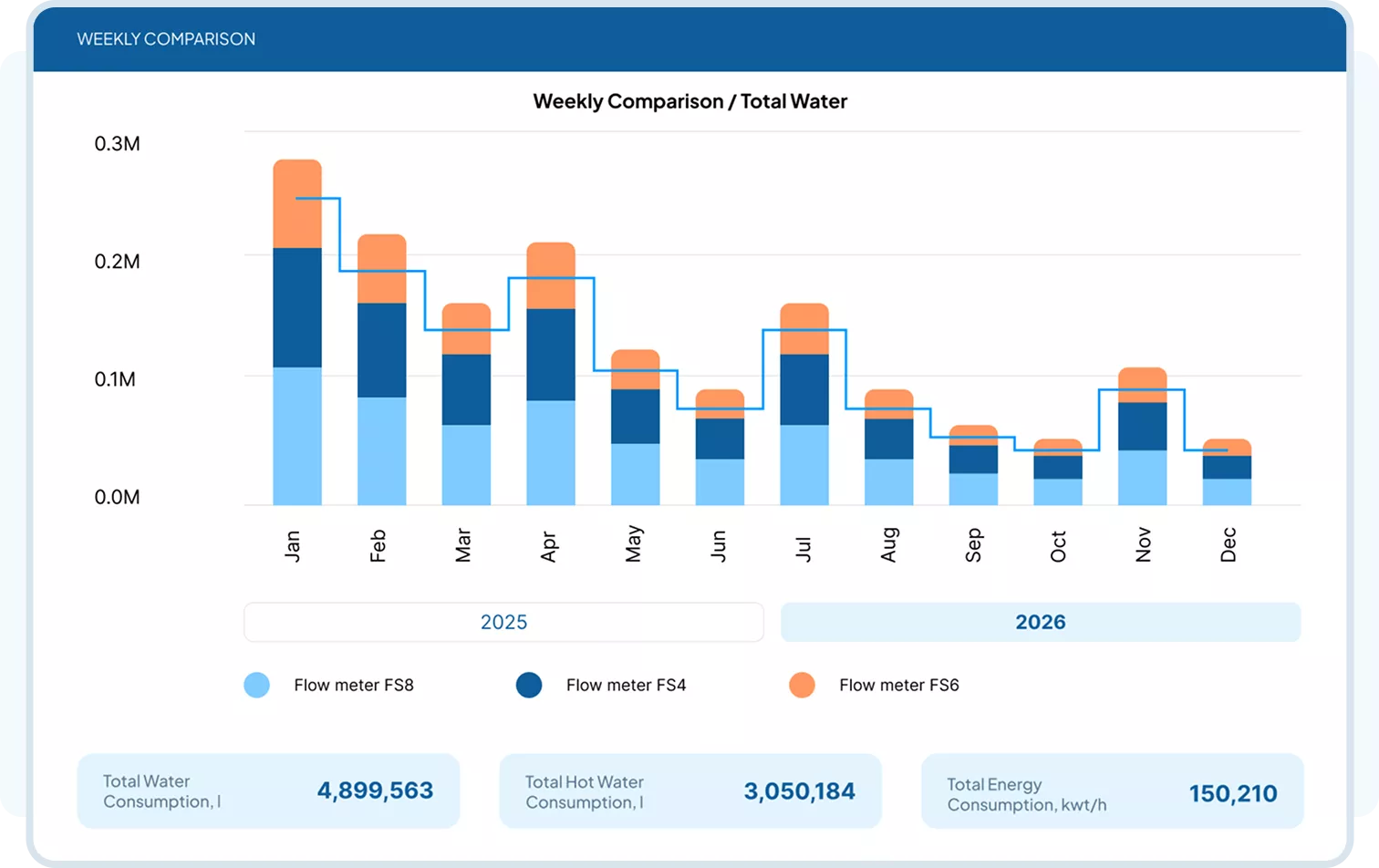
Week-over-week trend data for water consumption, chemical use, cycle time, and energy. Identify where your process is drifting before it becomes a problem.
Optimization Goals
High-frequency dairy CIP is one of the biggest opportunities for resource reduction in food production. Because cycles run 3–8 times daily, even small improvements per cycle compound into significant annual savings.
The most impactful gains come from two changes: replacing fixed timers with sensor-driven end-point detection, and implementing detergent recovery to reuse alkaline and acid solutions between cycles.
75 min
60 min
Average CIP cycle time
≈15 min saved per cycle
4.0 m³
3.0 m³
Water consumption per cycle
25% decrease
7.0 L
1.15 L
Detergent consumption per cycle
≈6× lower use
300 kWh
240 kWh
Energy consumption per cycle
−20% Energy consumption
FAQ
What are the main CIP challenges in dairy production?
Dairy CIP must remove protein, fat, mineral deposits, and microbiological contamination from tanks, pipelines, pasteurizers, fillers, and other product-contact equipment. The required cleaning parameters depend on the product, equipment design, soil load, and production sequence.
Why can dairy CIP results remain unstable even when the cycle completes correctly?
A completed cycle does not confirm that all surfaces were cleaned effectively. Unstable results can be caused by insufficient flow, temperature or chemical concentration, poor spray coverage, damaged gaskets, dead legs, residues inside piping, or inconsistent rinse conditions.
How can dairy plants reduce water and chemical consumption during CIP?
Savings usually come from reviewing cycle data, rinse endpoints, detergent concentration, recovery logic, flow conditions, and unnecessary programmed time. Any change should maintain the required cleaning result and be verified against defined acceptance criteria.
How do you verify that dairy equipment is clean after CIP?
Verification may combine CIP parameter review, ATP or microbiological testing, final-rinse analysis, riboflavin coverage testing, internal piping inspection, and other methods selected according to the equipment and hygiene risk.
When should a dairy CIP process be revalidated?
Revalidation should be considered after equipment modifications, recipe changes, new products or allergens, repeated microbiological deviations, major maintenance, or other changes that may affect cleaning performance.
Related Pages
Know exactly what happened in every cleaning cycle — temperature, flow, conductivity, and timing — for every zone in your dairy plant.

Tell us about your plant, your challenge, or your project —
we’ll respond within 1 business day with a relevant answer or a proposed scope.
Thank you for your request!
Our team will contact you soon to discuss your project and the next steps.
Request Sent
Thank you for contacting CIP Experts. Our manager will contact you within one business day.
