Maintain consistent hygiene and product quality across brewery operations with CIP solutions designed around your tanks, process lines, fillers, and cleaning routines.
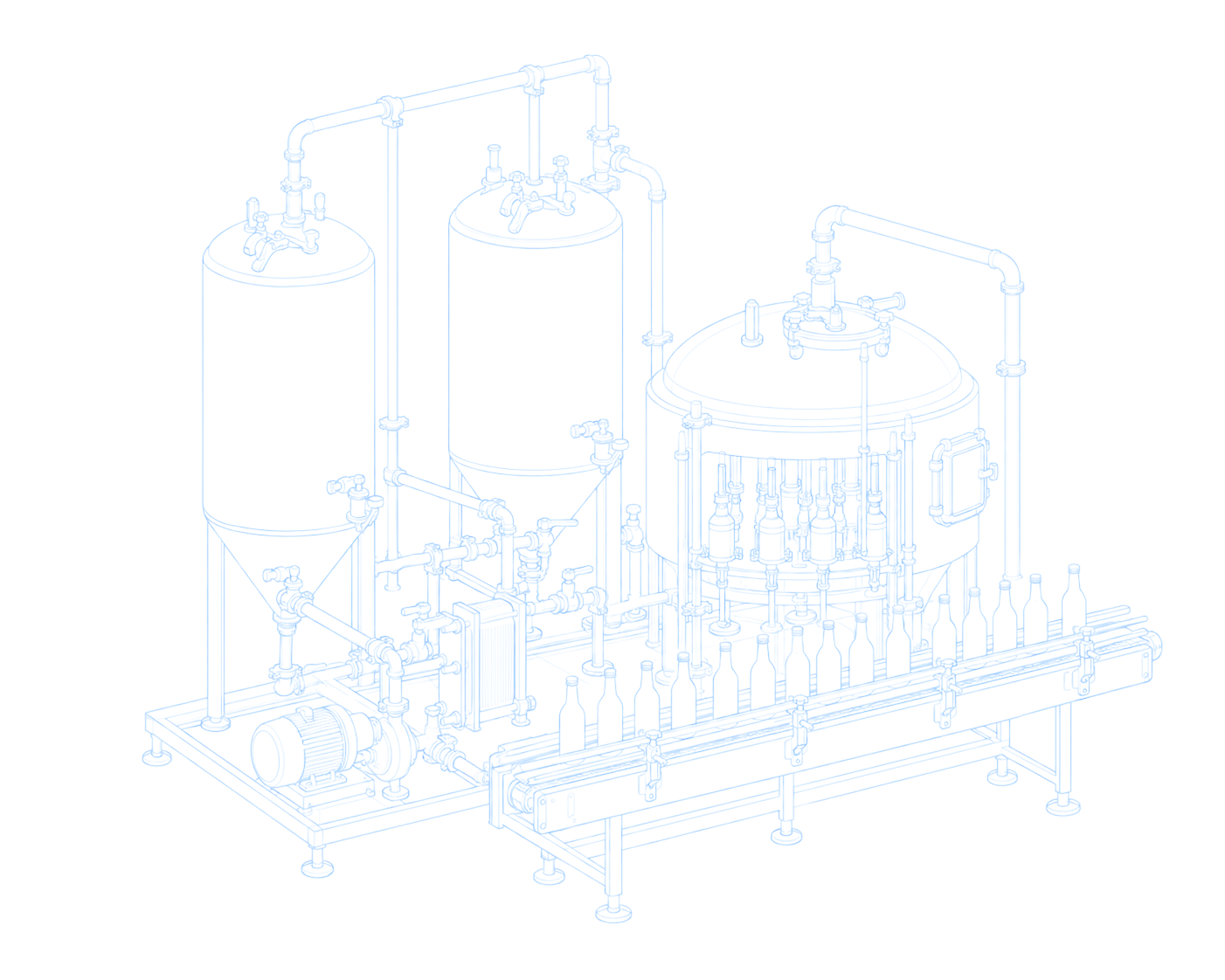

BREWERY INDUSTRY CONTEXT
In breweries, cleaning performance directly affects product quality, flavor stability, microbiological control, and production continuity. Residues such as yeast, proteins, sugars, hops, and beerstone increase the risk of incomplete cleaning, while frequent tank turnover and strict hygiene expectations make repeatability and traceability essential.
 | Yeast, hop, and sugar residuesFermentation and transfer equipment collect organic residues. Cleaning conditions must match the soil, equipment, and production stage. |
 | Flavor-sensitive, hygiene-critical productionResidual product and microbial contamination can affect beer quality and flavor stability. Tanks, transfer lines, and fillers require consistent hygiene control. |
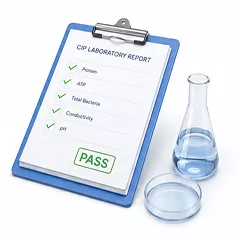 | Repeatable cleaning and traceabilityDocumented cycle parameters and verification results support shift handovers, deviation investigations, and audit preparation. |
COMMON CHALLENGES
Brewing processes often expose hidden cleaning weaknesses that affect hygiene, product quality, and uptime. These problems can involve several factors, including inconsistent execution, weak process visibility, ageing equipment, and limited technical support in daily operations.
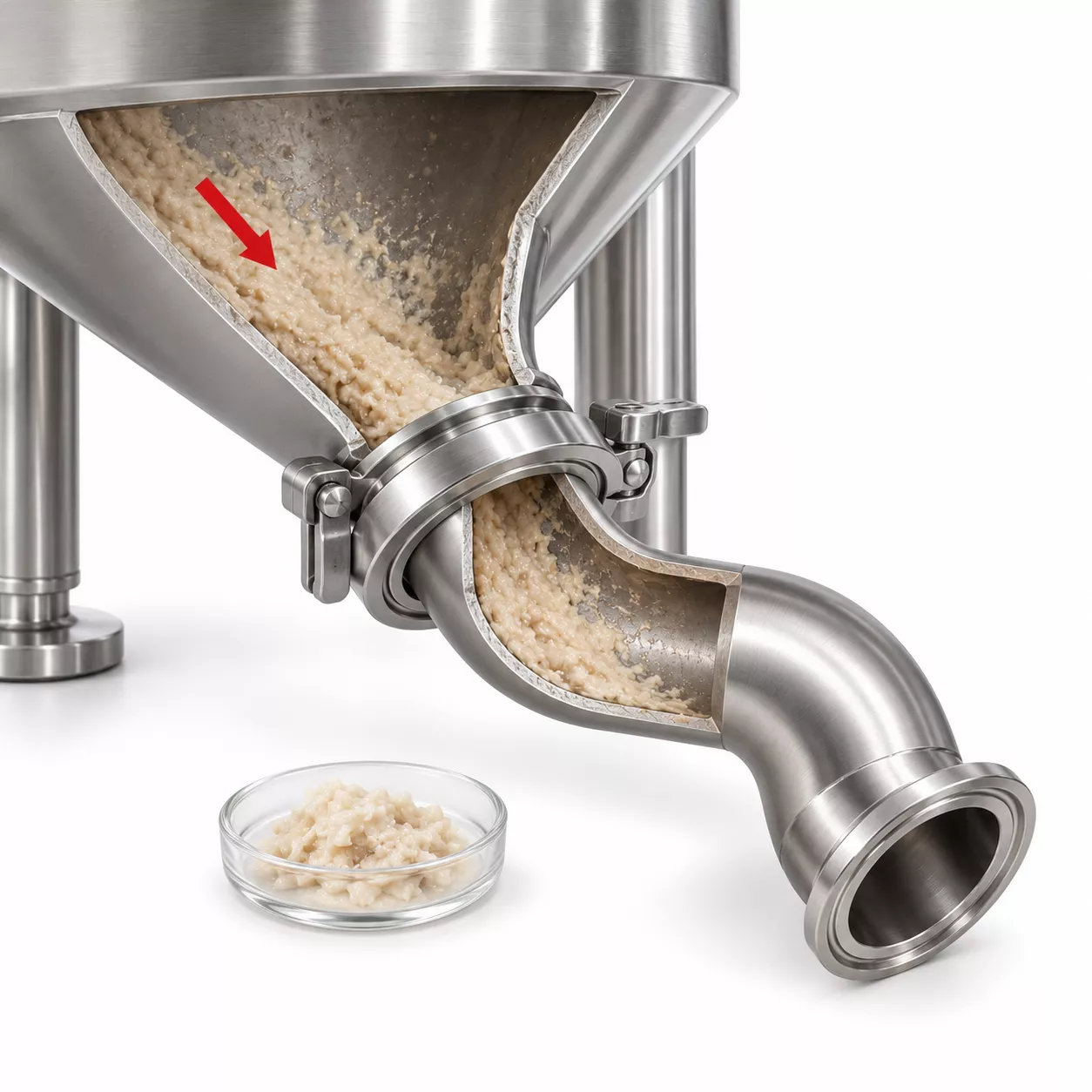
Fermentation and transfer equipment can accumulate organic residues. Alkaline cleaning requires controlled time, temperature, concentration, and mechanical action to remove them effectively.
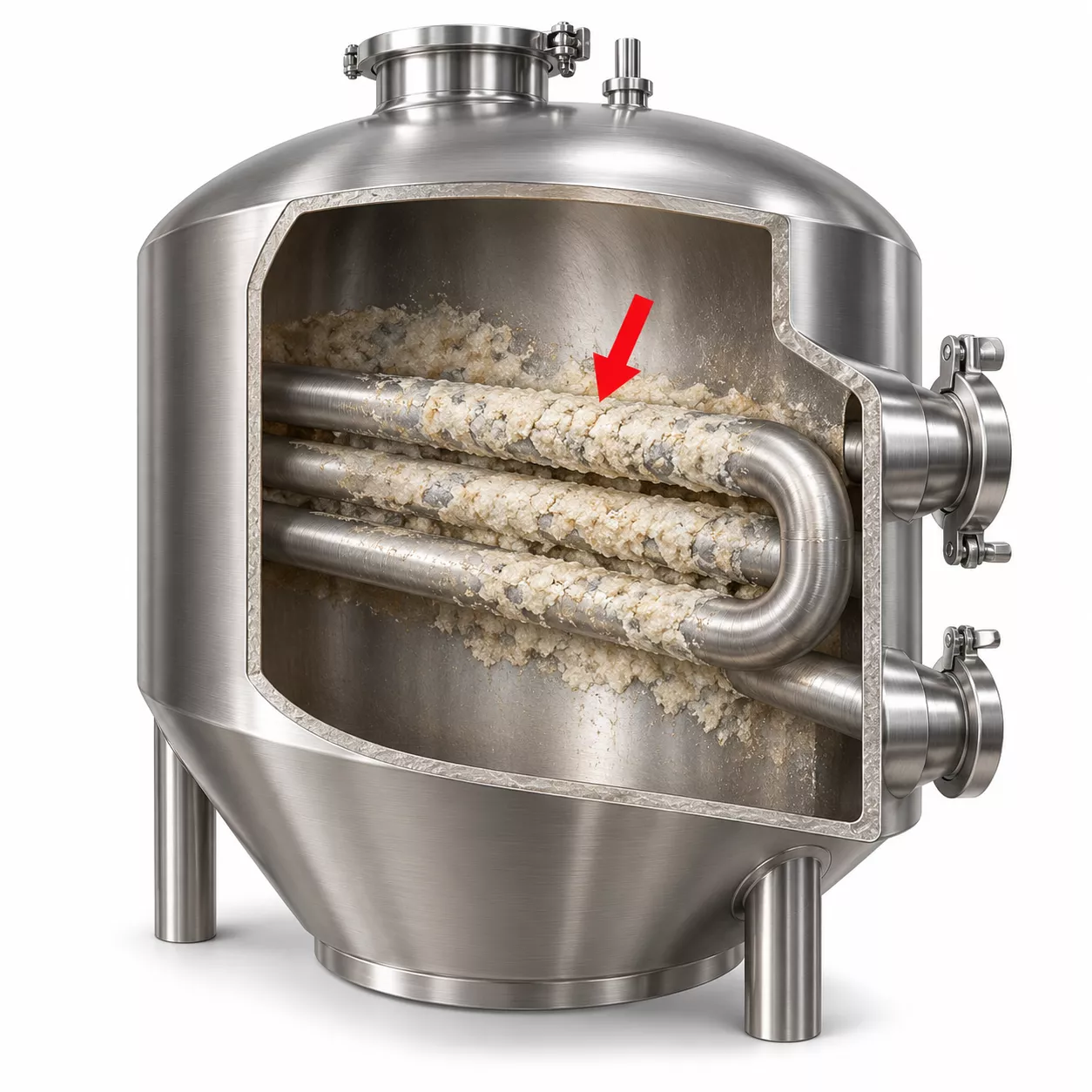
Mineral deposits, including calcium oxalate, can build up on product-contact surfaces. Deposit removal requires an appropriate cleaning sequence and controlled acid treatment where needed.
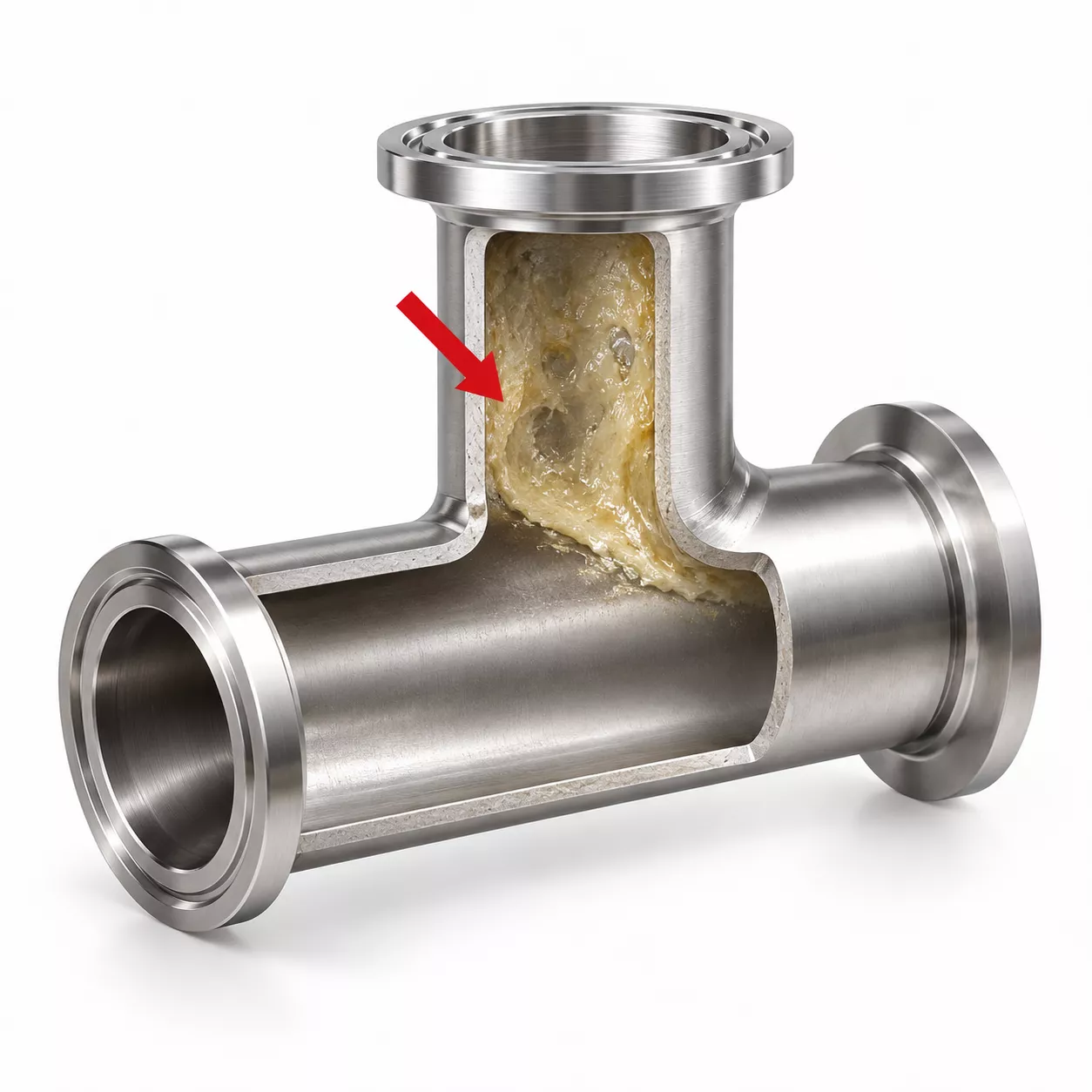
Retained residues and inadequate cleaning can support biofilm formation in dead legs, gasket areas, damaged welds, and poorly covered tank surfaces.
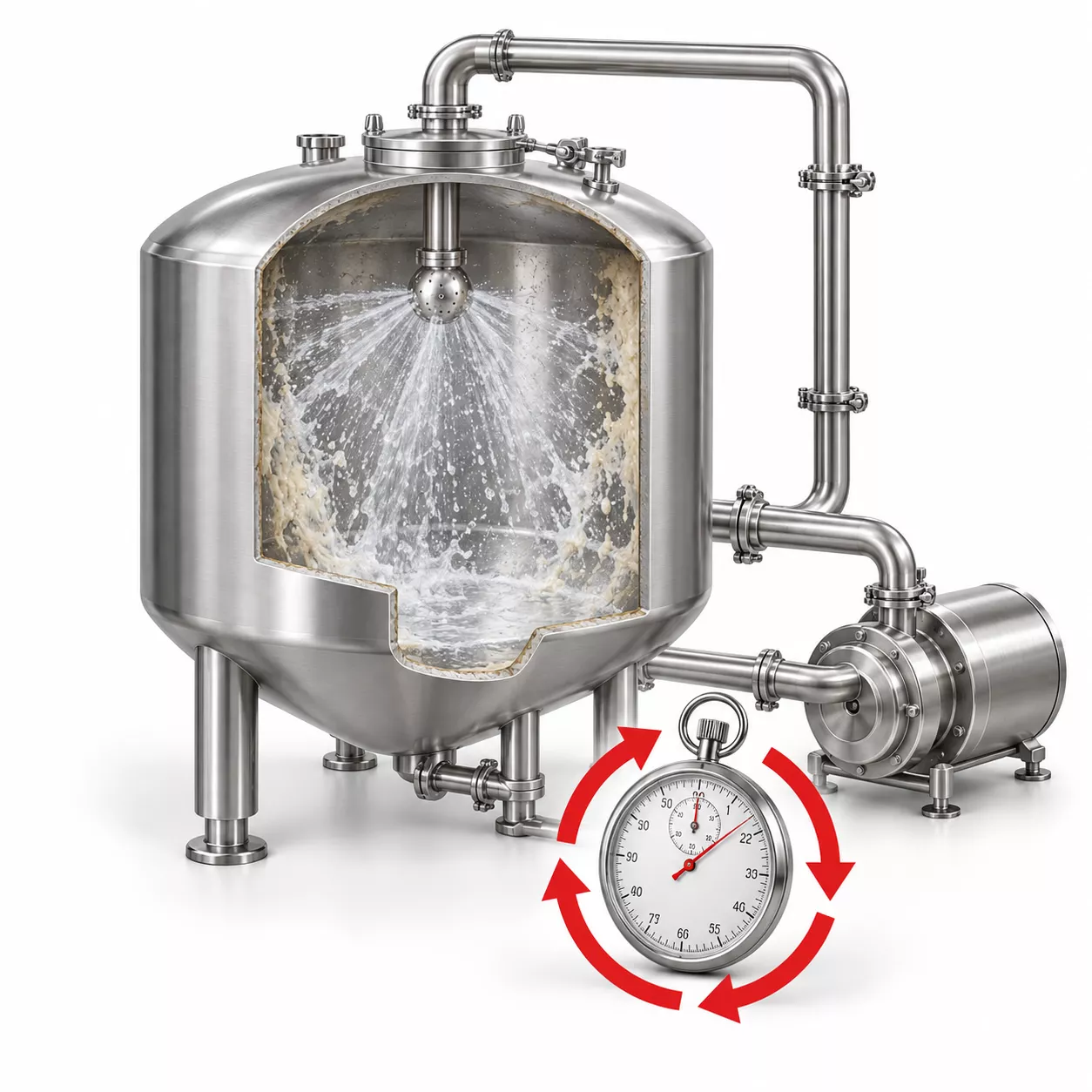
Fermenters, bright beer tanks, fillers, and transfer lines require regular cleaning. Unnecessarily long cycles reduce equipment availability and changeover flexibility.
WHY THESE PROBLEMS HAPPEN
In many breweries, cleaning performance still depends heavily on routines and operator experience. Limited process visibility and gaps in daily CIP expertise can lead to inconsistent execution, excessive resource use, and delayed response to hygiene risks.
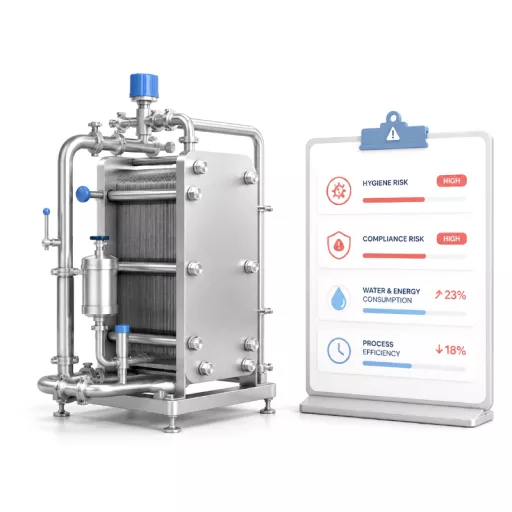
Skills gap during execution
Fixed routines instead of live control
Weak visibility into cycles
Limited documentation discipline
Inconsistent cleaning quality
Extra water and chemical use
Delayed response to deviations
Audit and compliance risk
RELEVANT SOLUTIONS FOR BREWERIES
Our services support brewery CIP from process assessment to ongoing improvement. FlowQeeper provides monitoring dashboards, automatic cycle reports, and email alerts. CIP validation establishes documented performance evidence. Process optimization reviews recipes and cycle data to identify resource and turnaround-time improvements.
01
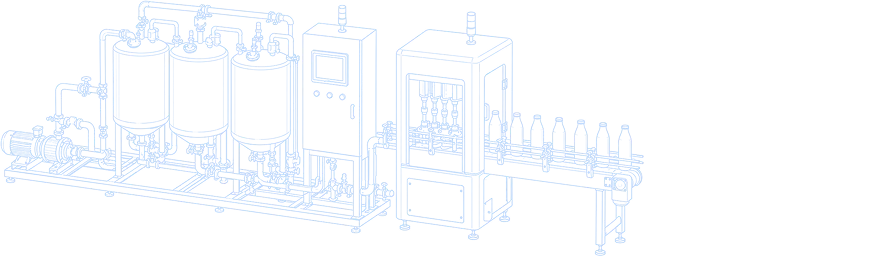
Custom-engineered for dairy soil types and cycle frequencies — with detergent recovery, EHEDG-compliant design, and built-in monitoring.
02
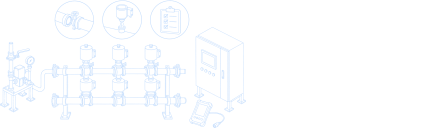
Full validation for CIP processes — from equipment qualification (DQ/IQ/OQ/PQ) to riboflavin spray coverage, biofilm detection, and microbiological testing.
03
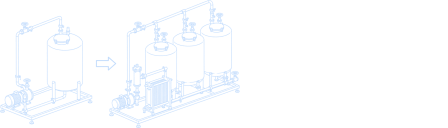
Reduce water, chemical, and energy consumption by 20–50% through data-driven recipe analysis and sensor-driven end-point detection.
VALIDATION IN BREWERIES
Brewery cleaning validation provides documented evidence that CIP consistently removes relevant residues and controls microbial contamination to defined acceptance criteria. The assessment considers yeast, proteins, sugars, mineral deposits, and the specific hygiene requirements of each cleaning object.
For new or modified systems, the agreed qualification scope can include DQ for design, IQ for installation, OQ for operation, and PQ for performance under defined production conditions. Spray coverage, piping inspections, and laboratory results contribute complementary evidence.
DQ

IQ

OQ

PQ


Surface defect checks on accessible brewery equipment and welds.

GasTest tightness checks for relevant heat exchangers and equipment within the agreed scope.

Internal visual inspection of beer transfer lines, welds, gasket seats, and retained residues.

UV-traceable coverage checks for fermenters, bright beer tanks, and tank-cleaning devices.

Targeted assessment of suspected biofilm in gasket zones, low-flow areas, and other hygiene risk points.

ATP, TOC, swab, and rinse-water tests selected to assess residues and microbial contamination.
MONITORING
Review recorded temperature, flow, conductivity, and timing for fermenters, bright beer tanks, fillers, and transfer-line CIP. Dashboards and automatic cycle reports make deviations and cycle history available for operational review.
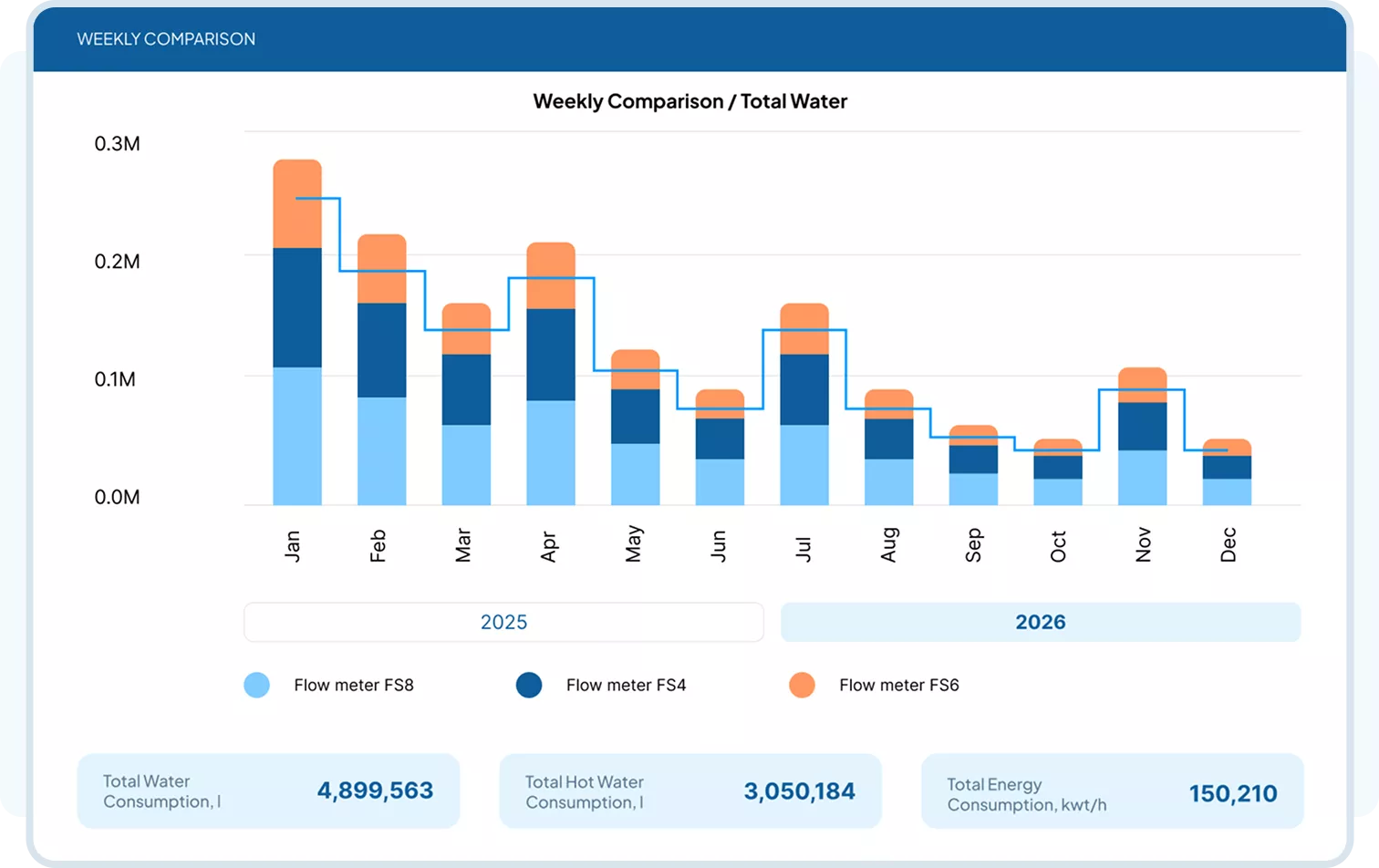
Live dashboards show available CIP parameters by connected line or cleaning object. Teams can follow cycle conditions and review automatic cycle reports.
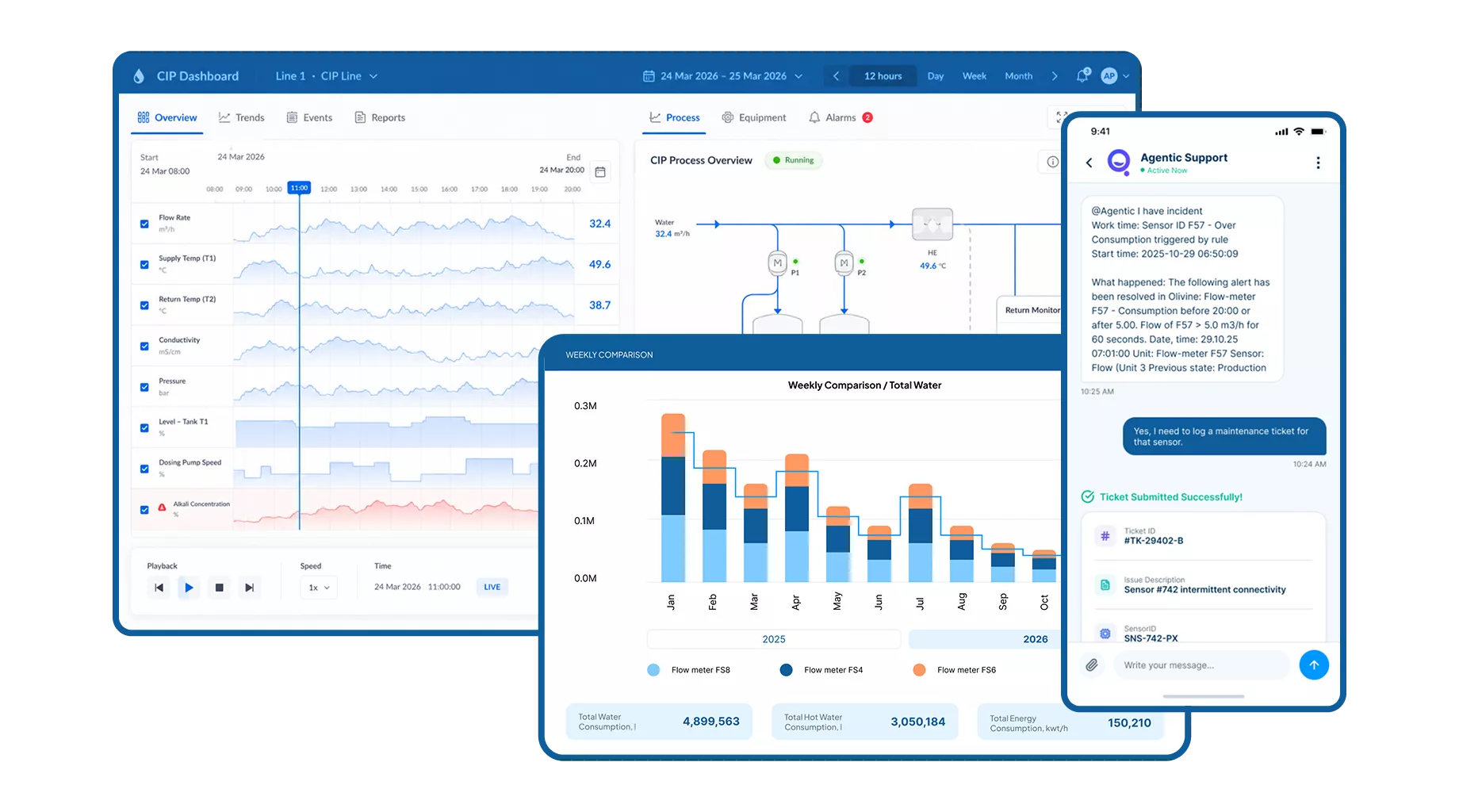
Configurable thresholds flag deviations in connected process signals. Email notifications help teams investigate affected tank and line cleaning cycles.
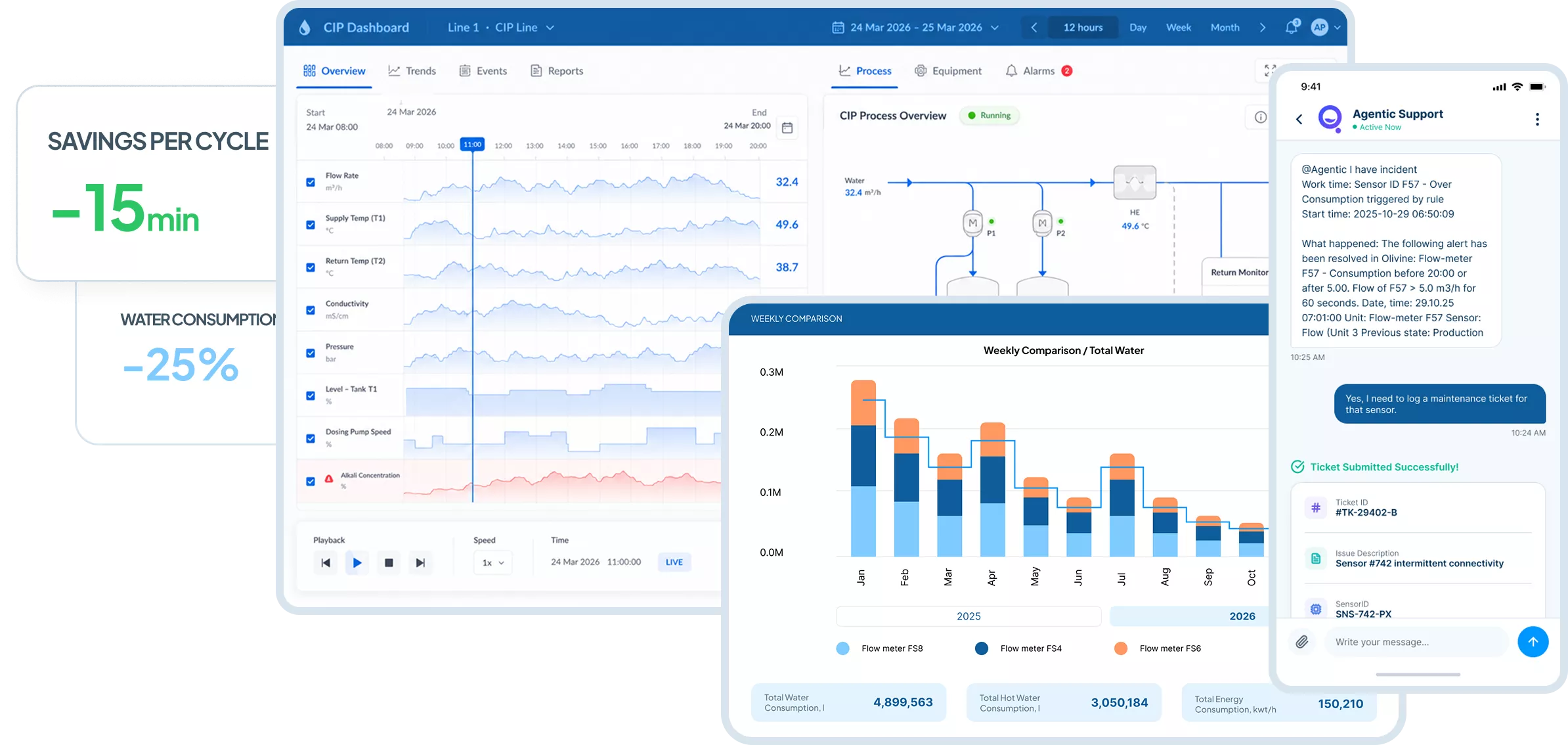
Custom Power BI reports compare cycle duration and available resource-consumption data over time. Track water, chemical, and energy use where the required measurements are connected.
OPTIMIZATION GOALS
Frequent cleaning of fermenters, bright beer tanks, and lines creates opportunities to reduce water, chemicals, energy, and turnaround time. Improvements are assessed by cleaning object and cycle type, while maintaining the required cleaning result.
Typical areas for review include rinse end points, detergent concentration, phase duration, and solution recovery. Changes must be checked against defined cleaning criteria before routine use.
The figures below are illustrative before-and-after examples carried over from the dairy page. They are not verified brewery results or guaranteed savings. Actual potential must be established from site data.
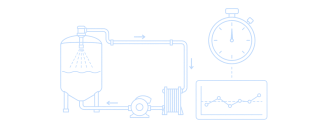
75 min
60 min
Average CIP cycle time
≈15 min saved per cycle
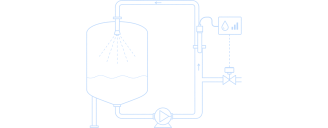
4.0 m³
3.0 m³
Water consumption per cycle
25% decrease
7.0 L
1.15 L
Detergent consumption per cycle
≈6× lower use
300 kWh
240 kWh
Energy consumption per cycle
−20% Energy consumption
RELATED PAGES
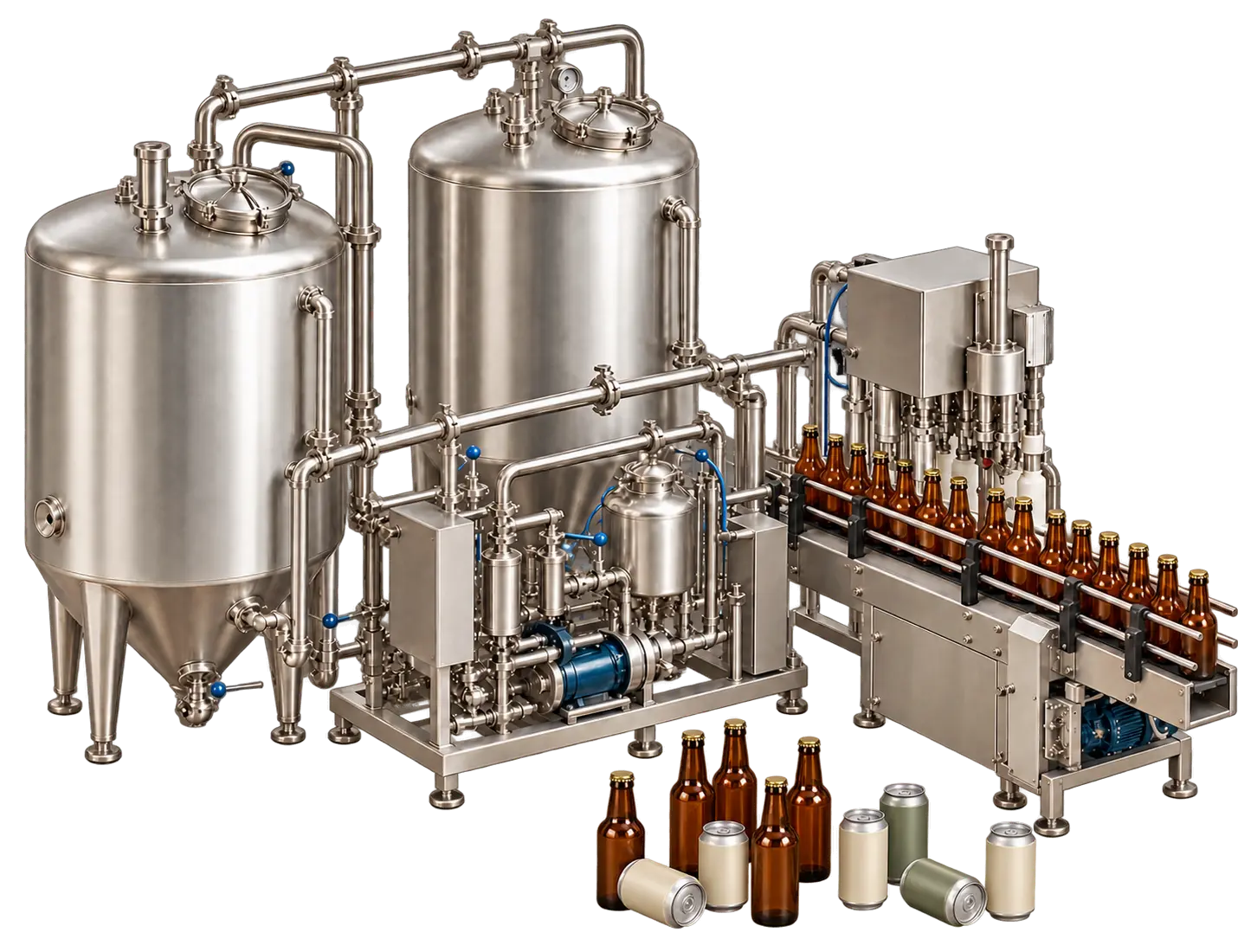
Explore engineering, modernization, validation, optimization, and digitalization services for brewery tanks, process lines, and filling systems.
FAQ
What are the most common CIP challenges in breweries?
Typical challenges include residues from wort, yeast, proteins, hop compounds, mineral deposits, and product carry-over across tanks, piping, heat exchangers, and filling equipment. Different brewery areas may require different cleaning conditions and cycle logic.
How can CIP help reduce product or flavour carry-over between brewery batches?
Effective carry-over control depends on adequate cleaning of shared equipment and pipelines, correct phase separation, reliable rinsing, and verified hygiene at critical product-contact points.
Can brewery CIP cycles be shortened safely?
Yes, but cycle time should only be reduced after confirming that the required flow, temperature, chemistry, and exposure conditions are achieved. Data-driven endpoint control can help identify stages where programmed time is longer than necessary.
How can breweries improve CIP traceability?
Traceability can be improved by recording critical cycle parameters, alarms, phase transitions, cleaning-object identification, and cycle results in a structured monitoring and reporting system.
What should be checked when brewery CIP results are inconsistent?
The investigation should consider recipe execution, flow conditions, spray coverage, valve logic, heat exchangers, internal piping condition, drainability, chemical concentration, and microbiological results.

Tell us about your brewery, cleaning challenges, or planned project. We will respond within 1 business day with a relevant answer or a proposed scope.
Thank you for your request!
Our team will contact you soon to discuss your project and the next steps.
Request Sent
Thank you for contacting CIP Experts. Our manager will contact you within one business day.
