Remove sticky and sugar-rich residues reliably with CIP solutions engineered around your products, equipment, and cleaning challenges.

CONFECTIONERY AND SYRUPS CONTEXT
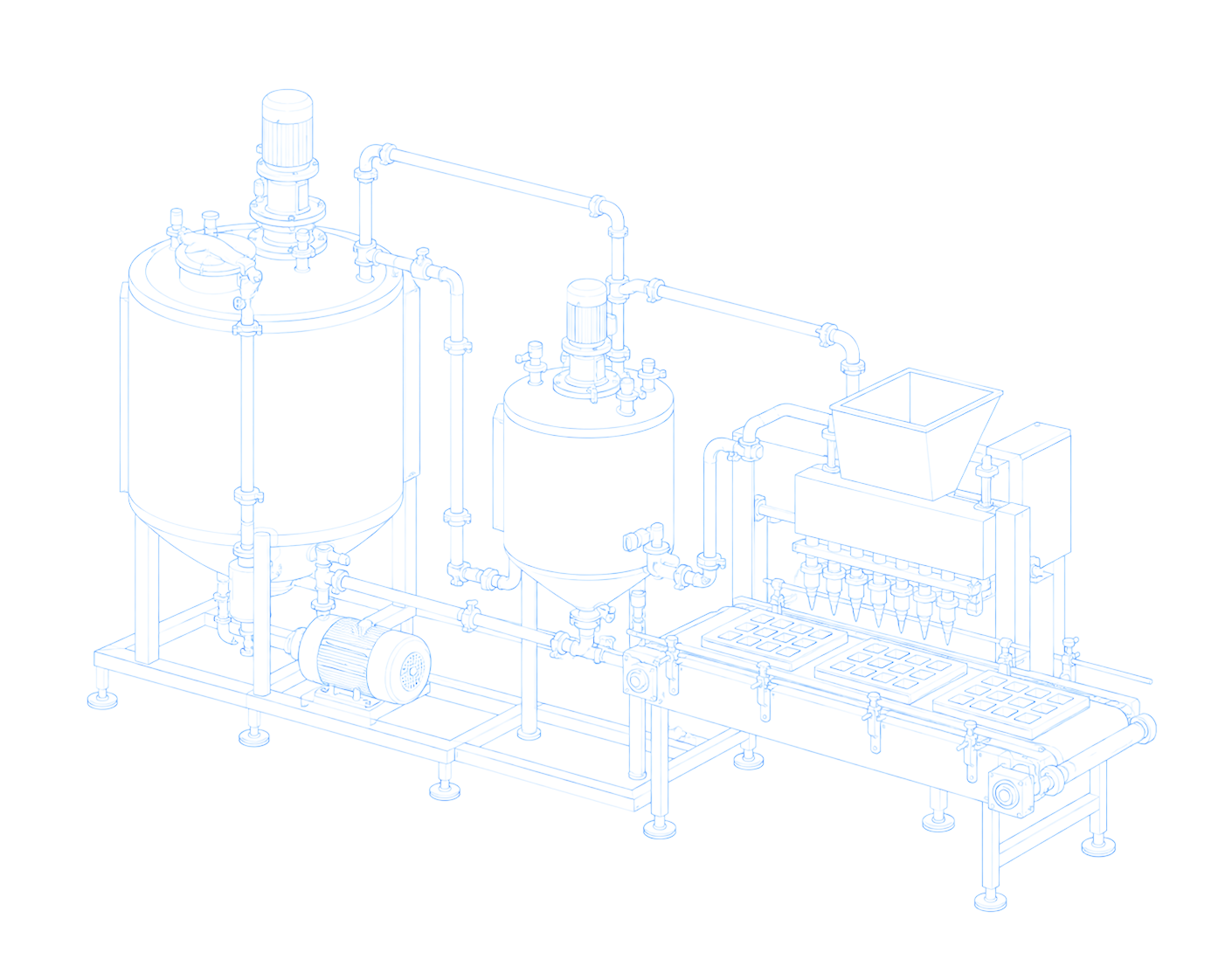
In confectionery and syrup production, cleaning performance directly affects hygiene, product quality, flavour integrity, and production continuity. Concentrated syrups, sticky films, flavour compounds, and heat-related deposits create different cleaning demands. Frequent product changes make repeatability, traceability, and residue control especially important.
 | Sticky sugar-rich residuesConcentrated syrups and confectionery mixes can coat tanks, transfer lines, valves, and dosing equipment. Product displacement and cleaning conditions must match the residue load. |
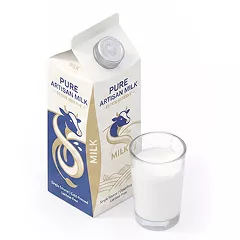 | High cleanability demands in heated and viscous systemsHeating, cooling, and concentration changes can alter how deposits behave. Cleaning recipes need to account for the product, surface conditions, and equipment geometry. |
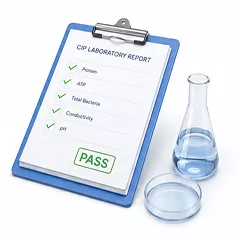 | Repeatable cleaning and carry-over controlShared equipment requires consistent removal of flavour, colour, and product residues. Documented cycle conditions and targeted verification support reliable changeovers. |
COMMON CHALLENGES
Sugar-rich and viscous processes can expose cleaning weaknesses through persistent films, long cycles, flavour carry-over, and excessive rinsing. Contributing factors include varied residue behaviour, limited process visibility, inadequate thermal or hydraulic conditions, and cleaning recipes that do not match the actual soil load.
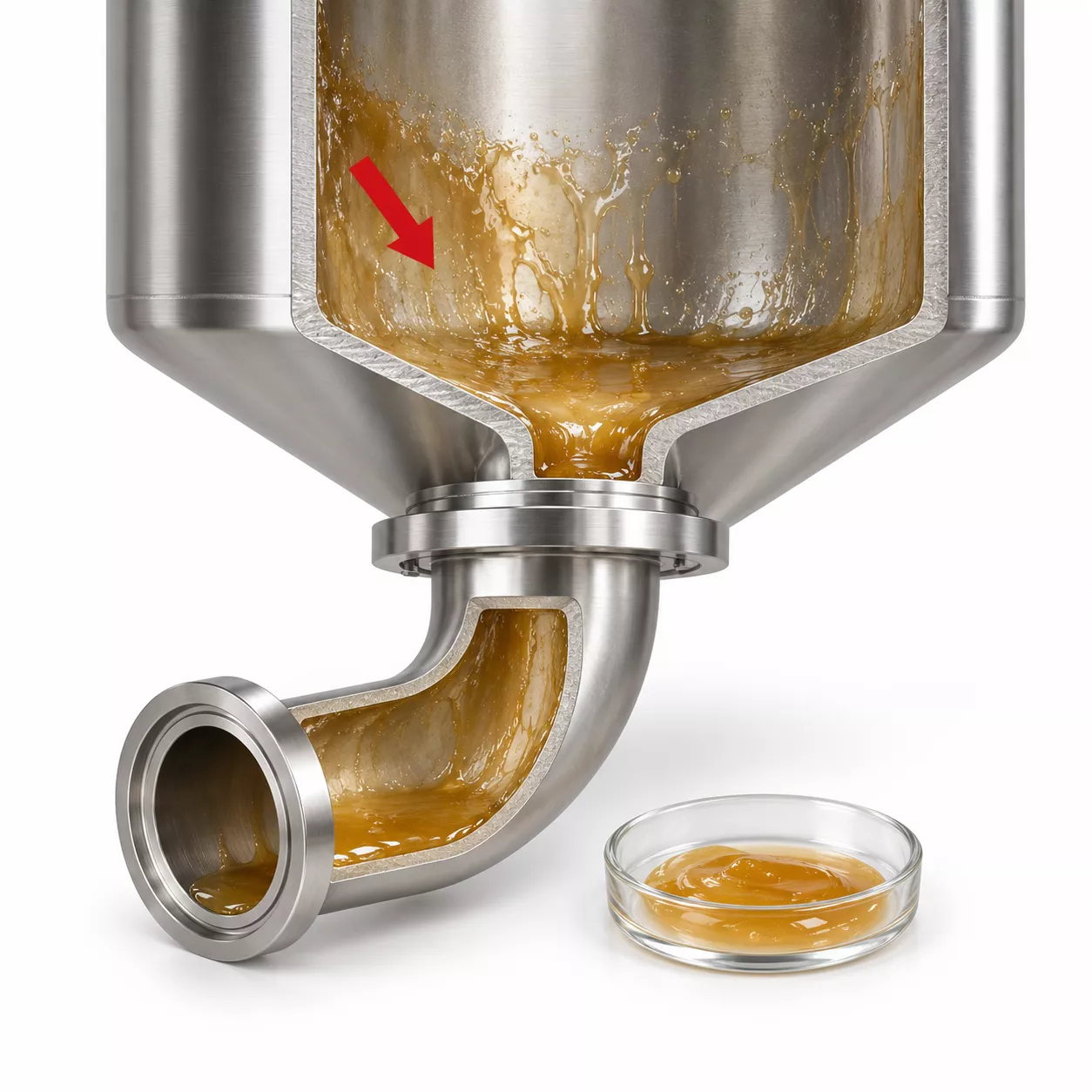
Concentrated syrups and confectionery mixes can leave films on vessel walls, transfer lines, valves, and dosing sections. Removal depends on suitable flow, temperature, cleaning media, and exposure time.
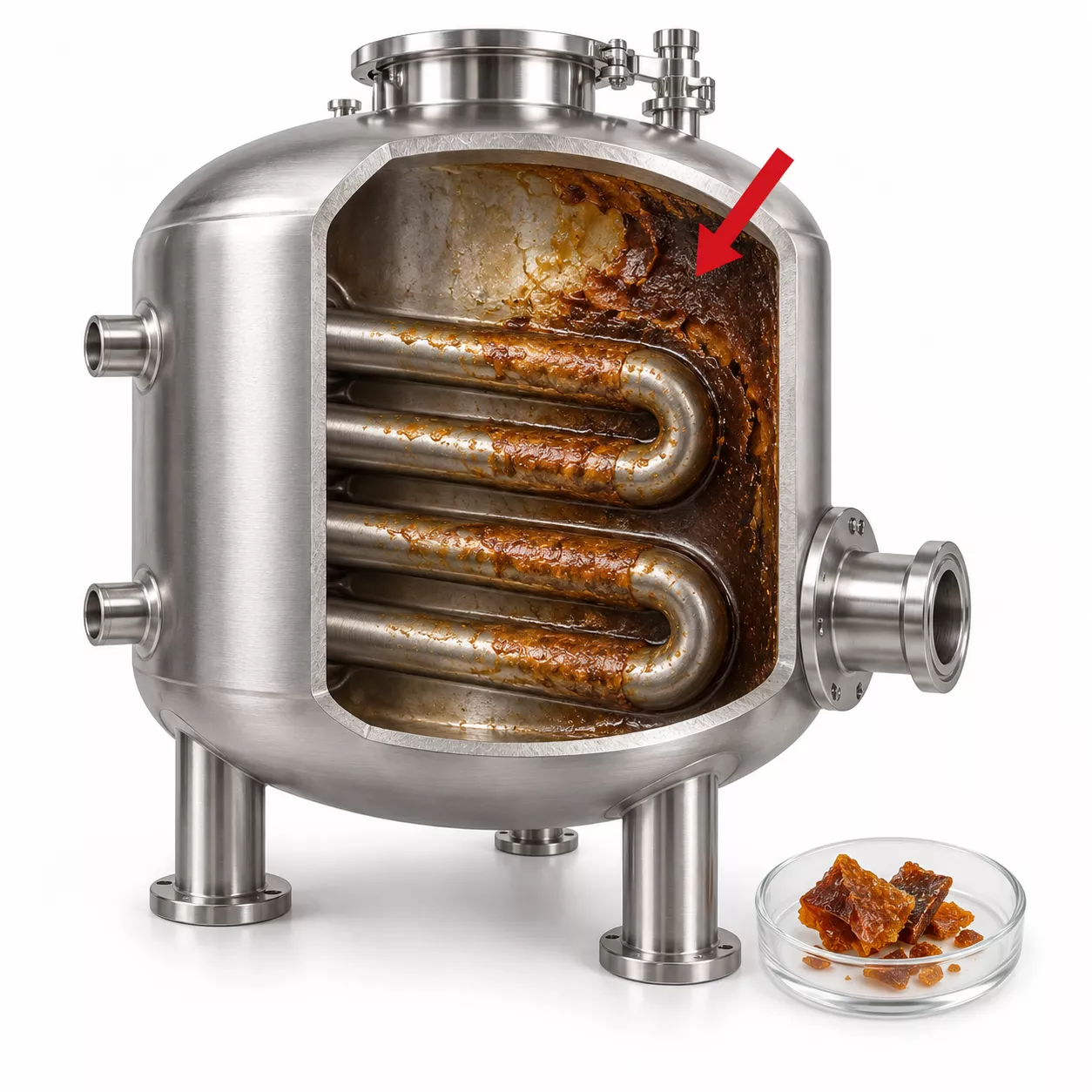
Heated products can leave deposits that are harder to remove than fresh product. Cleaning chemistry, temperature, and phase duration must be selected for the actual deposit and equipment.
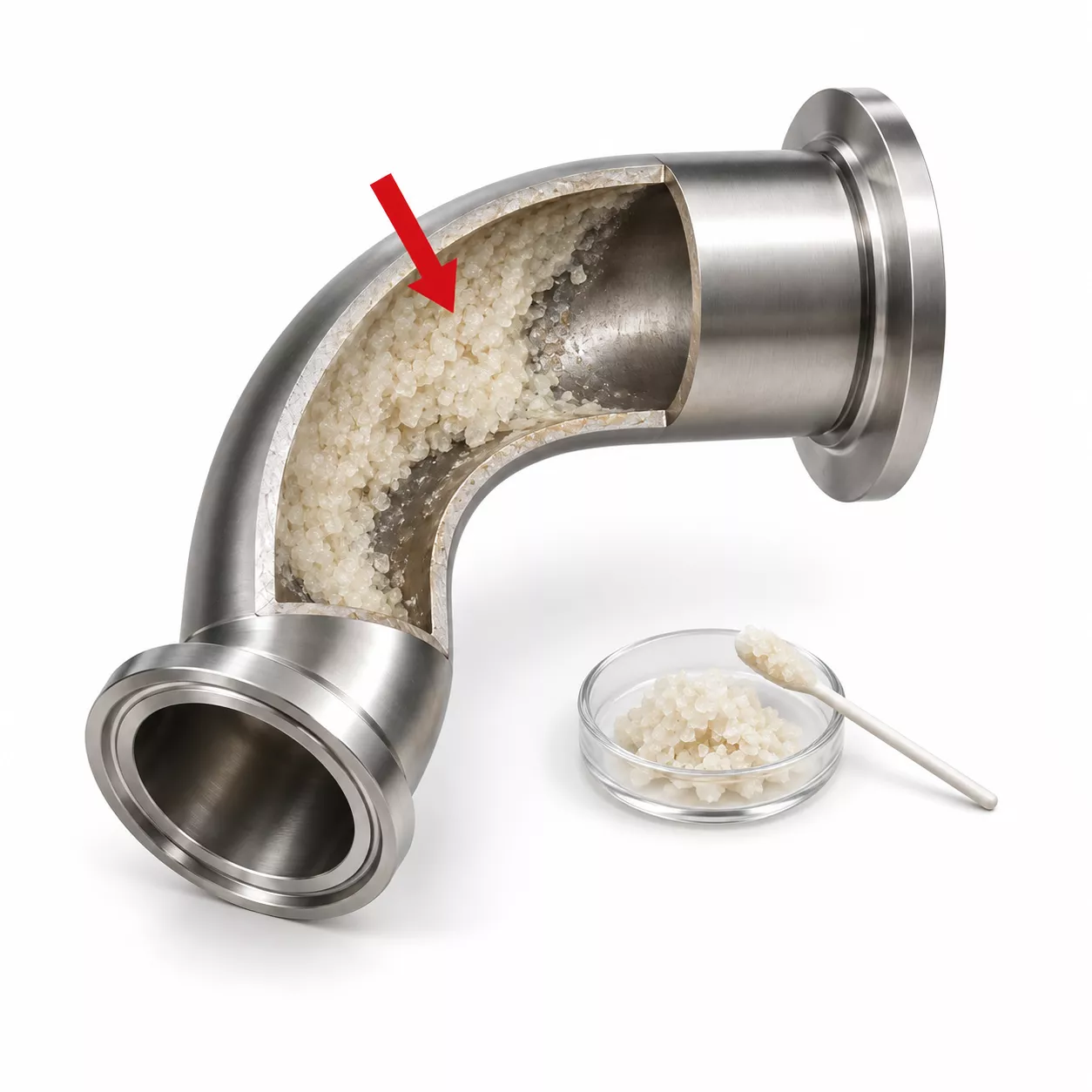
Cooling, concentration changes, and slow-moving areas can promote sugar crystallisation in product paths. Deposits may persist when fixed cleaning cycles do not address local conditions.
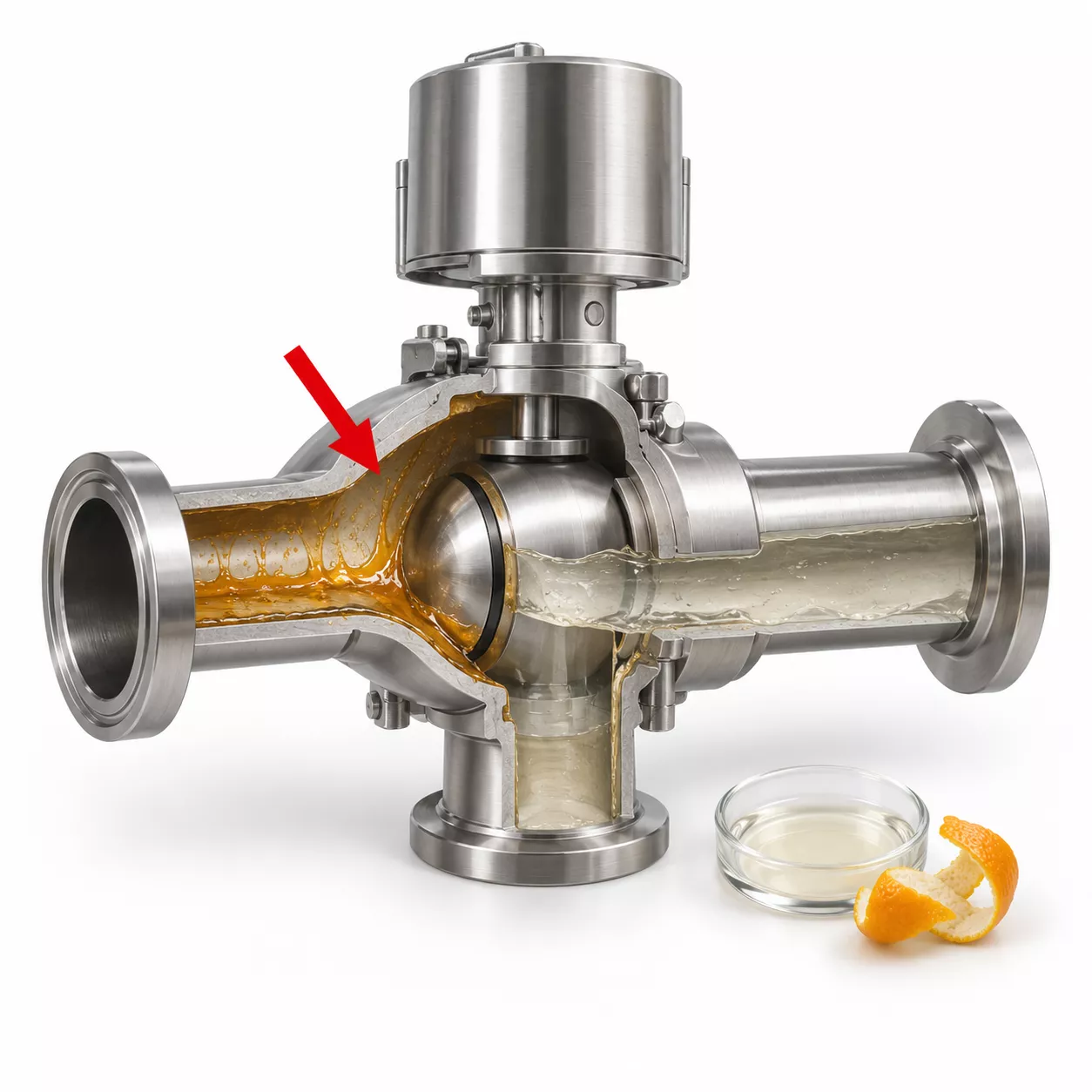
Incomplete cleaning after strongly coloured or flavoured products can affect the next batch. Shared tanks, lines, and dosing equipment need effective residue removal and appropriate verification.
WHY THESE PROBLEMS HAPPEN
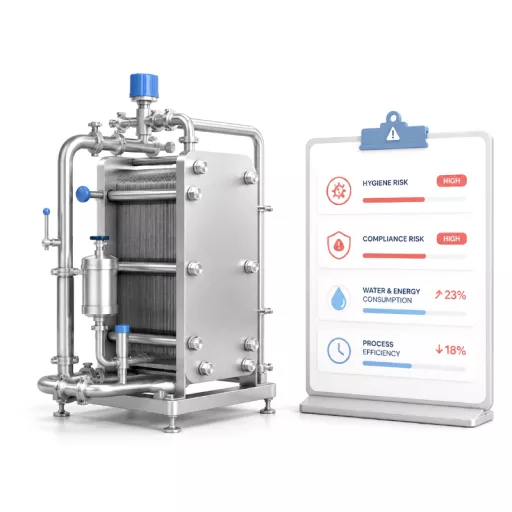
CIP can depend heavily on fixed recipes, operator habits, and limited feedback during execution. Gaps in daily CIP expertise and insufficient evidence of residue removal make cleaning longer, less efficient, and harder to validate across different product families.
Skills gap during execution
One cleaning routine for different product loads
Weak visibility into cycle behaviour
Poor understanding of residue behaviour
Unstable cleaning across recipe changes
Incomplete cleaning or overcleaning
Delayed reaction to rinse or heating issues
Repeated cycles and excess utility use
RELEVANT SOLUTIONS FOR CONFECTIONERY AND SYRUPS
Every service we offer can support confectionery and syrup production — but these are the solutions most often linked to the real cleaning and process-control problems of sugar-rich, sticky, and heat-sensitive products: long CIP cycles, weak visibility, unstable cleaning across recipes, and uncertainty around residue removal.
01
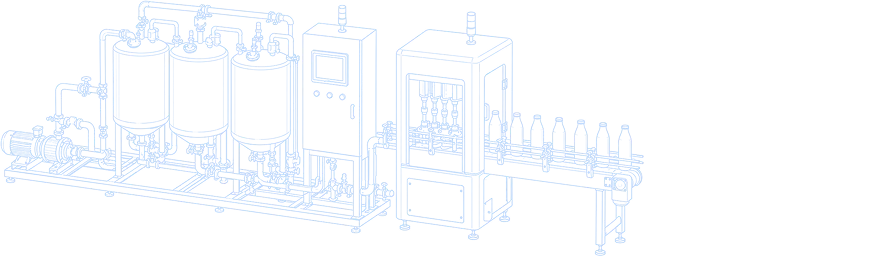
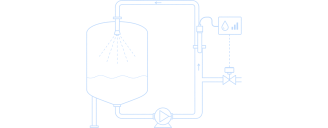
Custom-engineered for dairy soil types and cycle frequencies — with detergent recovery, EHEDG-compliant design, and built-in monitoring.
02
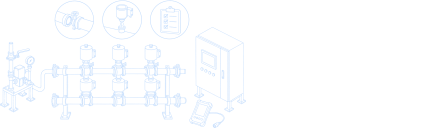
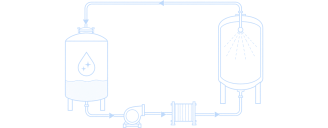
Full validation for CIP processes — from equipment qualification (DQ/IQ/OQ/PQ) to riboflavin spray coverage, biofilm detection, and microbiological testing.
03
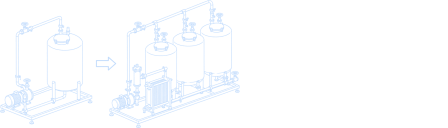
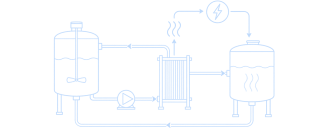
Reduce water, chemical, and energy consumption by 20–50% through data-driven recipe analysis and sensor-driven end-point detection.
VALIDATION IN CONFECTIONERY AND SYRUPS
Cleaning validation provides documented evidence that CIP removes relevant sugar films, flavour residues, coloured deposits, and other soils and controls microbial contamination to defined acceptance criteria. The assessment considers representative recipes and changeovers, including allergen requirements where relevant.
For new or modified systems, the agreed qualification scope can include DQ for design, IQ for installation, OQ for operation, and PQ for performance under defined production conditions. Spray coverage checks, equipment and piping inspections, and suitable laboratory analyses provide complementary evidence.
DQ

IQ

OQ

PQ


Surface defect checks on accessible confectionery equipment, product-contact surfaces, and welds.

GasTest tightness checks for relevant heat exchangers and equipment within the agreed scope.

Internal visual inspection of syrup and confectionery transfer lines, welds, gasket seats, and retained deposits.

UV-traceable spray coverage checks for mixing tanks, syrup vessels, and tank-cleaning devices.

Targeted assessment of suspected biofilm in gasket zones, low-flow sections, and other difficult-to-clean areas.

TOC, product-residue, ATP, swab, and rinse-water tests selected for the cleaning risk, with allergen-specific testing where relevant.
MONITORING
Review recorded conductivity, temperature, flow, timing, and phase sequence for connected tanks, mixers, loops, and transfer lines. Dashboards and automatic cycle reports help teams compare execution across product families and investigate cleaning deviations.
Live dashboards show available CIP parameters by connected line and cleaning object. Teams can follow tank, mixer, and syrup-line cleaning and review automatic cycle reports.
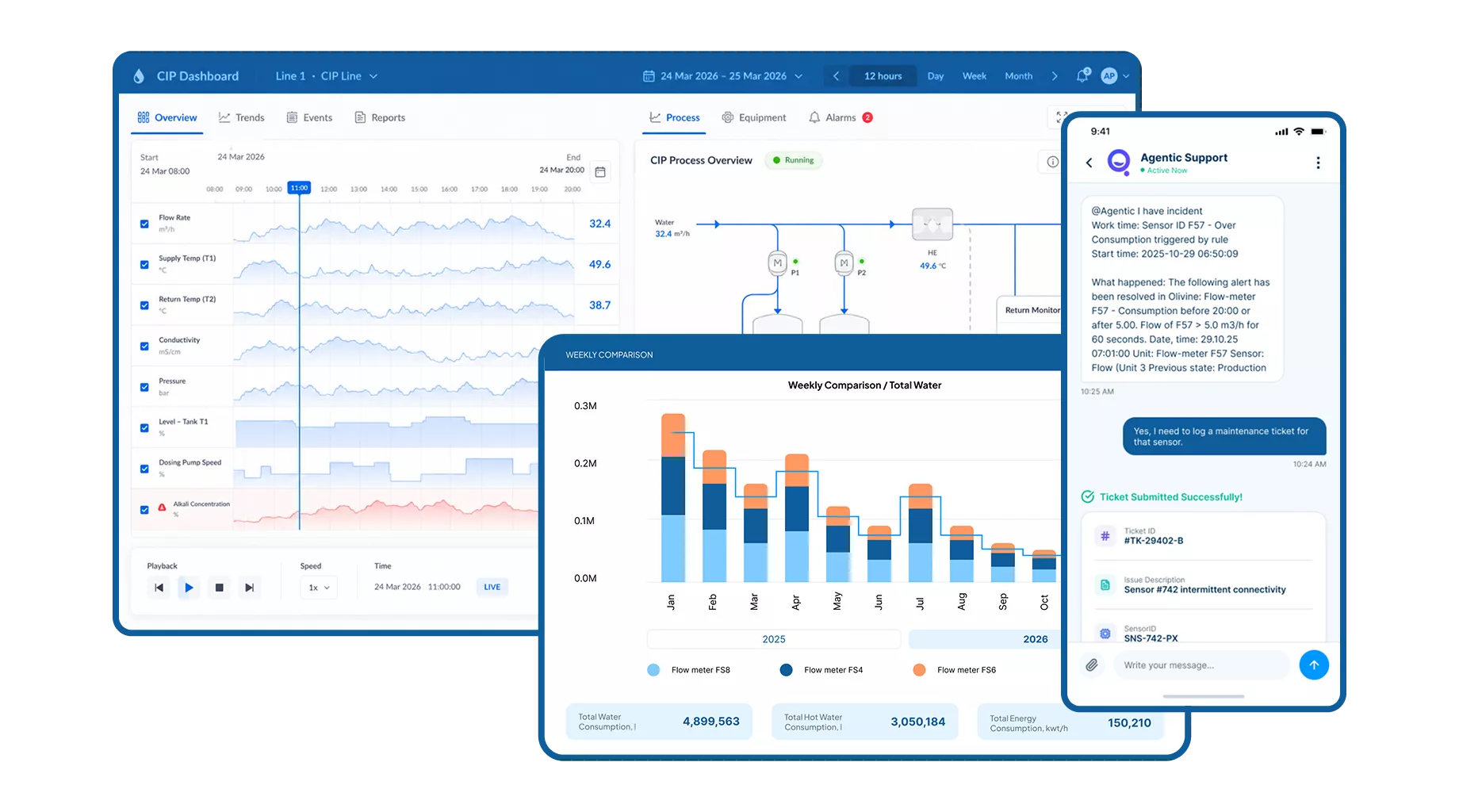
Configurable thresholds flag deviations in connected conductivity, temperature, flow, and timing signals. Email notifications support timely investigation of rinse, heating, or circulation issues.
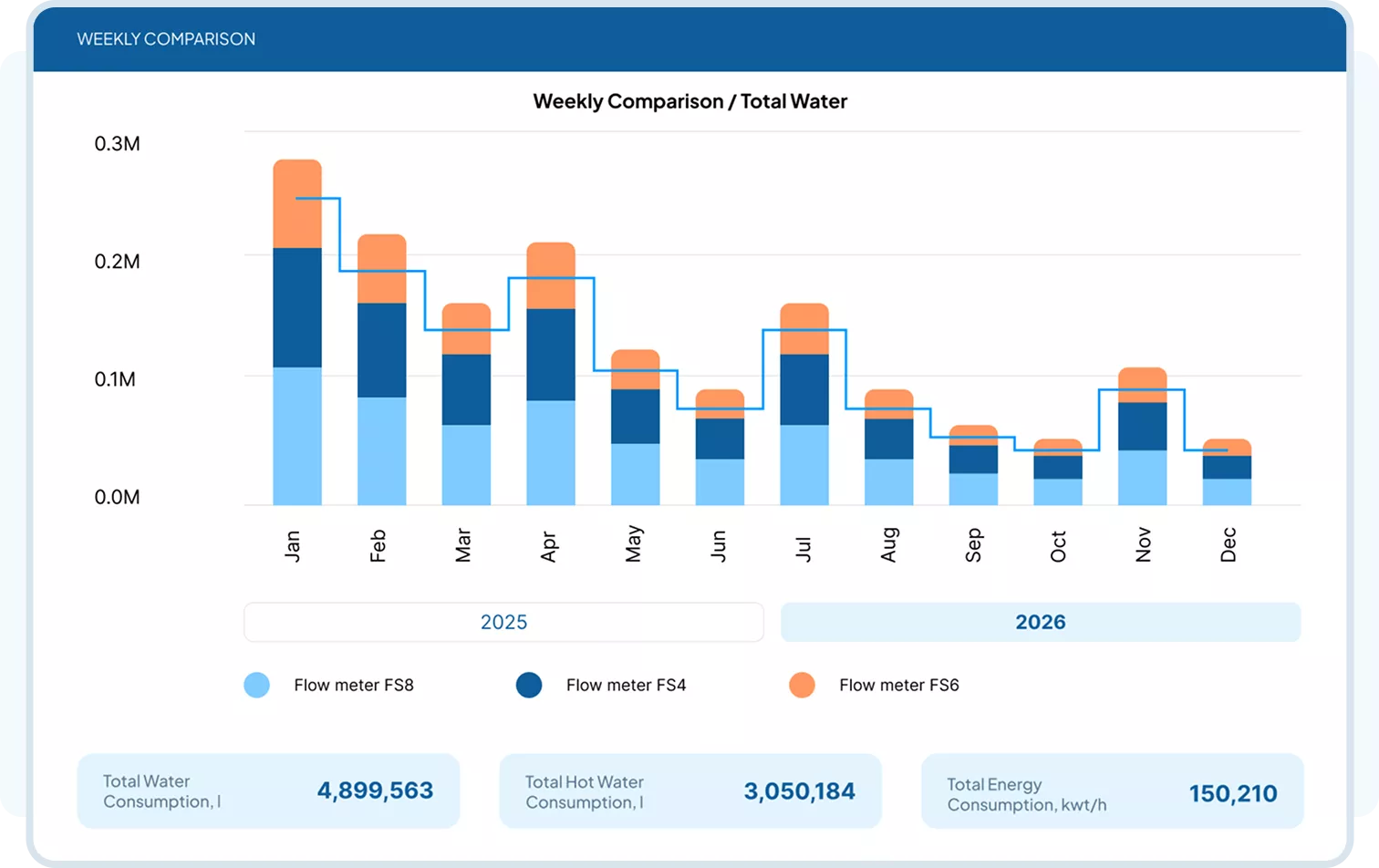
Custom Power BI reports compare cycle duration, repeatability, and available resource-consumption data across recipes. Identify patterns of prolonged rinsing, repeated cycles, and changes in cleaning performance.
OPTIMIZATION GOALS
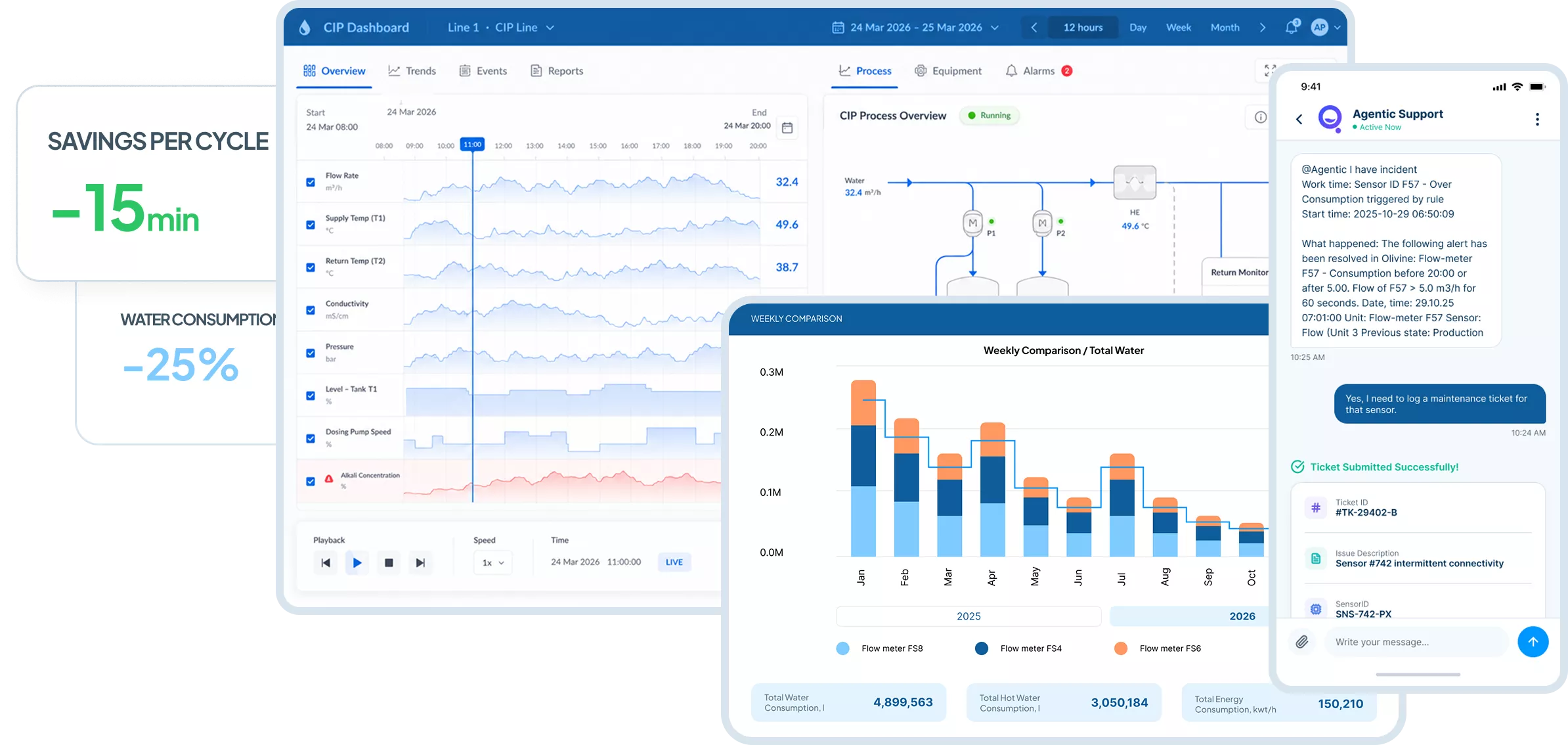
CIP optimization in sugar-rich processes often creates value in two areas at once: better residue removal control and lower resource use. Because these plants frequently rely on long rinses and repeated detergent phases as a safety margin, even moderate improvements in recipe logic, rinse end-point control, or cleaning segmentation can create significant annual savings.The most impactful gains usually come from refining recipe logic by product family and replacing fixed timing with sensor-based end-point detection where possible.
75 min
60 min
Average CIP cycle time
≈15 min saved per cycle
4.0 m³
3.0 m³
Water consumption per cycle
25% decrease
7.0 L
1.15 L
Detergent consumption per cycle
≈6× lower use
300 kWh
240 kWh
Energy consumption per cycle
−20% Energy consumption
RELATED PAGES
Explore engineering, modernization, validation, optimization, and digitalization services for syrup vessels, mixers, heat exchangers, dosing systems, and transfer lines.
FAQ
What are the main CIP challenges in confectionery and syrup production?
Sticky, concentrated, sugar-rich, fatty, or heat-affected residues can be difficult to remove from tanks, pipelines, mixers, heat exchangers, and dosing equipment. Cleaning conditions must be adapted to the specific product and equipment.
Why can sugar and syrup residues increase CIP time?
Concentrated or viscous residues can be difficult to displace and rinse. Effective cleaning requires suitable temperature, flow, exposure time, and access to the affected surfaces. Crystallised or heat-affected deposits may need a different approach from fresh product.
How can rinse time be reduced in syrup CIP processes?
Review rinse duration against representative measurements and defined acceptance criteria. Conductivity can indicate detergent removal but does not by itself confirm removal of all dissolved sugars. Product-specific measurements or residue testing may be needed before changing the endpoint.
How can CIP prevent cross-contamination between confectionery products?
Control carry-over through appropriate recipes, effective cleaning of shared product-contact surfaces, and controlled rinsing. Verify the result using methods suited to the residues and risks. Include allergen-specific verification where relevant.
When should confectionery CIP equipment be inspected?
Inspection is particularly useful after recurring hygiene deviations, product carry-over, gasket or valve failures, and equipment modifications. It is also relevant when internal conditions cannot be confirmed from outside or persistent deposits remain unexplained.

Tell us about your confectionery or syrup products, equipment, cleaning challenges, or planned project. We will respond within 1 business day with a relevant answer or a proposed scope.
Thank you for your request!
Our team will contact you soon to discuss your project and the next steps.
Request Sent
Thank you for contacting CIP Experts. Our manager will contact you within one business day.
