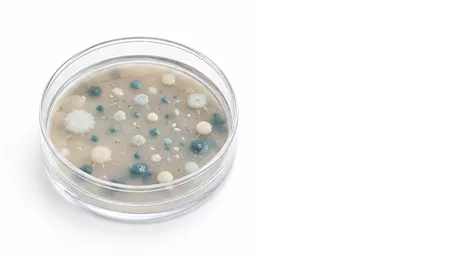
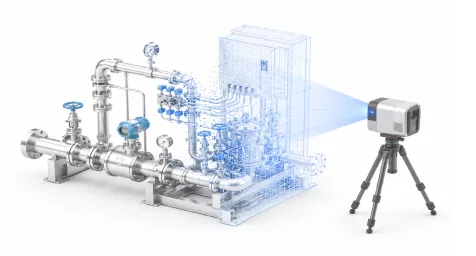
Prove that your CIP (clean-in-place) system, cleaning programs, equipment, and hygiene results consistently meet defined acceptance criteria. We combine Equipment Qualification, technical inspections, and microbiological testing in one risk-based validation scope.

Equipment
Qualification
Technical
Inspections
Microbiological
Verification
One Validation
Report
WHAT IS CIP VALIDATION
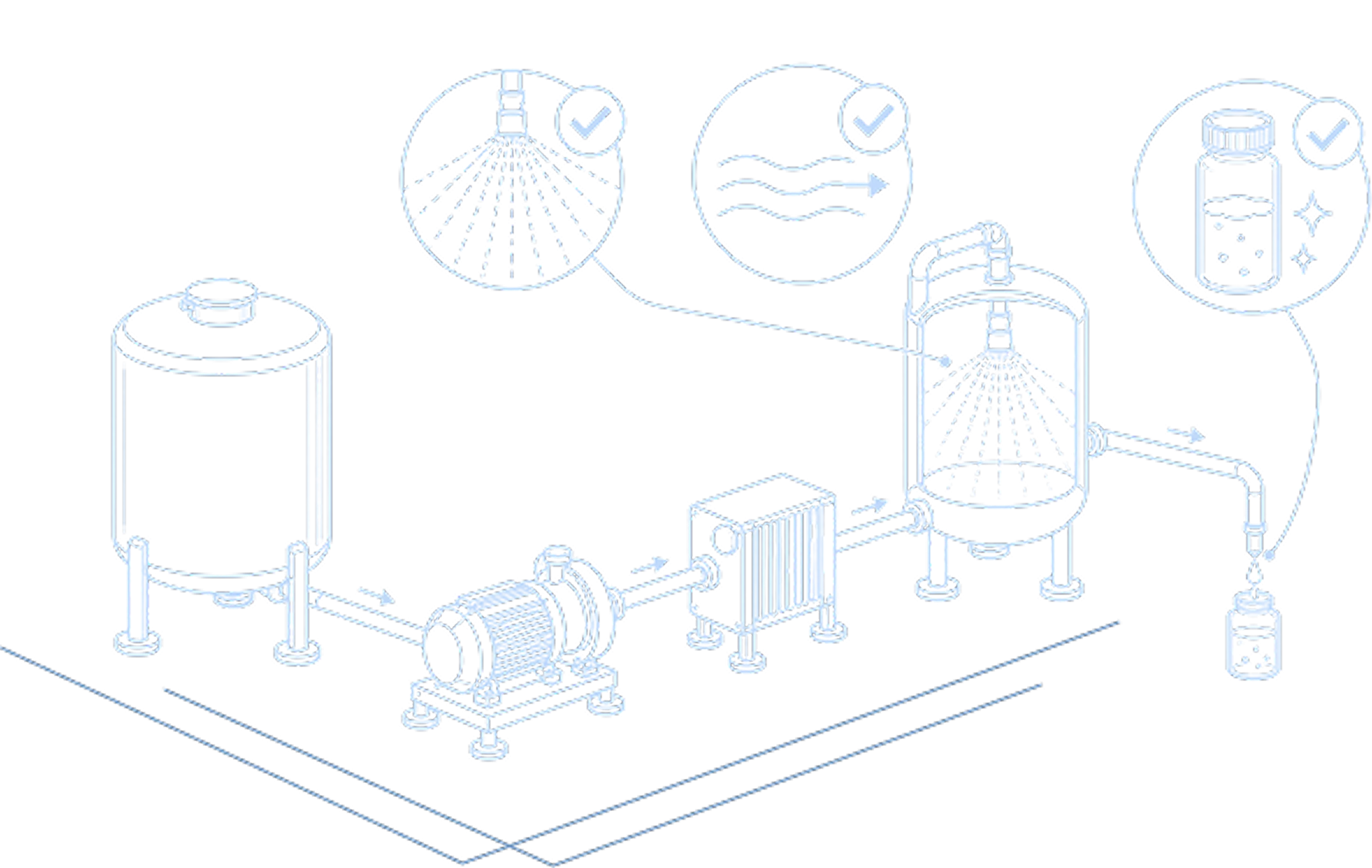
CIP Validation is a structured, risk-based Clean-in-Place validation process used to demonstrate that cleaning programs, washing objects, and product-contact systems consistently achieve the required hygiene result. Our CIP validation services combine engineering, operational, physical, and microbiological evidence against defined CIP acceptance criteria. The agreed scope and evidence are documented in a CIP validation protocol and can support initial validation or CIP revalidation after relevant process or equipment changes.
COMPLETE VALIDATION SCOPE
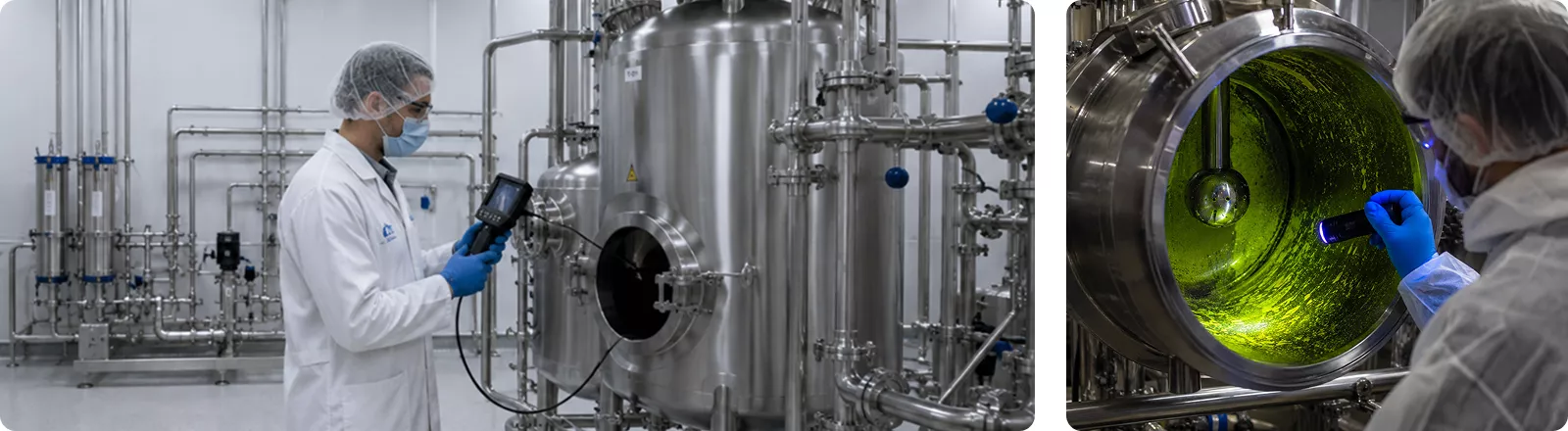
A reliable CIP conclusion requires evidence from different parts of the cleaning system. The exact combination of methods is selected according to equipment, product, soil, hygienic risk, process history, and validation objective.
01
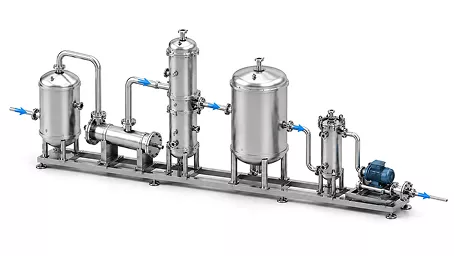
DQ, IQ, OQ, and PQ verify that the CIP equipment, utilities, automation, recipes, alarms, and critical parameters are designed, installed, operated, and performing as intended.
DQ IQ OQ PQ
02
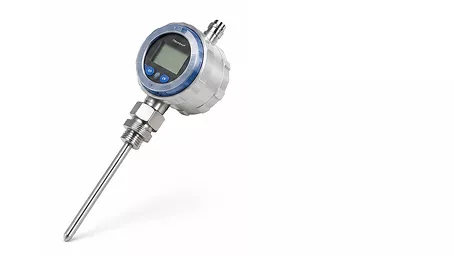
Inspect the physical condition and hygienic suitability of tanks, pipelines, welds, seals, heat exchangers, and other product-contact areas that can create hidden contamination risks.
WHY CIP VALIDATION MATTERS
Completed CIP Cycle Is Not Proof
of Cleanliness
A CIP program may finish without alarms while some surfaces remain uncovered, pipelines retain product, equipment contains hygienic defects, critical parameters vary, or microbiological results remain unacceptable. Validation connects process execution with physical and microbiological evidence.
WHEN TO VALIDATE CIP
01
Before commercial production or final handover.
02
After changing flow, time, temperature, concentration, automation, sequence, or return logic.
03
When ATP, swabs, rinse water, shelf-life, or product results remain unstable.
04
After welding, valve repair, gasket replacement, pipe extension, or equipment opening.
05
When documented evidence is required for approval, audit, handover, or periodic revalidation.
06
When a new soil, viscosity, allergen profile, or microbiological risk changes the cleaning challenge.
EQUIPMENT QUALIFICATION
Clean-in-Place Validation starts with the capability of the system itself. Equipment Qualification checks whether the design, installation, controls, and actual operating performance meet approved requirements.
DQ

Is the design suitable?
IQ

Was it installed correctly?
OQ

Does it operate correctly?
PQ

Does it perform consistently?
TECHNICAL INSPECTIONS
Correct time, temperature, flow, and chemistry cannot compensate for a crack, damaged gasket, rough weld, retained product, or inaccessible surface. Technical inspections reveal physical conditions that may compromise cleanability and hygiene.
01
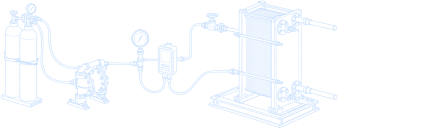
Non-destructive testing used to detect hidden leakage and integrity problems in heat exchangers without full dismantling.
Finds:
02
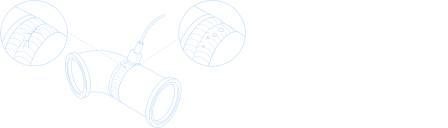
Surface inspection used to locate cracks, pores, pitting, corrosion, and other discontinuities that can compromise product-contact surface integrity.
Finds:
03
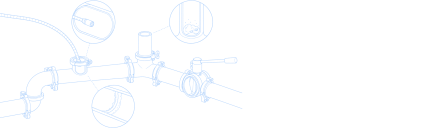
Internal endoscope or videoscope inspection of hygienic pipelines, welds, gaskets, bends, and difficult-to-access product-contact areas.
Finds:
HYGIENE & MICROBIOLOGY
Microbiological inspections confirm the hygienic condition of the equipment after cleaning and identify any residual microbiological contamination. Each method addresses a specific objective within the CIP validation process.
01
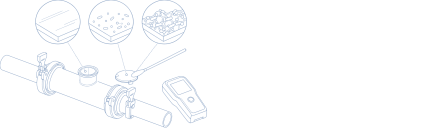
Checks product-contact and hygienic surfaces for evidence of developing or established biofilm contamination.
Finds:
02
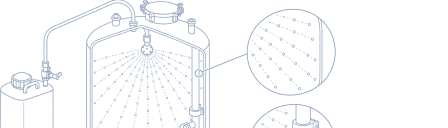
Visualizes whether cleaning liquid reaches and rinses all required internal surfaces of tanks and equipment.
Finds:
03
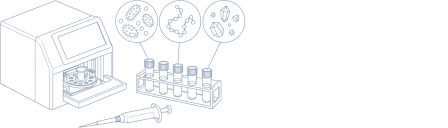
Combines ATP/TOC, microbiological sampling, allergen and pathogen testing, and water analysis according to the approved test matrix.
Finds:
selection of service options
Select one or more options to receive a recommended validation scope.
Step 1 of 2

*The validation scope is selected based on the client’s objective and may vary. A single inspection rarely answers every hygiene question —
the combination of methods is agreed before testing begins.
HOW CIP VALIDATION WORKS
From Risk Assessment to Validation Conclusion
01
URS, PFD/P&ID, equipment, recipes, chemistry, microbiology history, products, allergens, water points, and deviations.
02
Define washing objects, critical locations, sampling points, hard-to-clean zones, and worst-case products.
03
Agree on methods, limits, pass/fail criteria, hold/release rules, and retest logic.
04
Perform the required DQ/IQ/OQ/PQ scope.
05
Apply the required integrity, surface, piping, or coverage methods.
06
Perform biofilm, ATP/TOC, microbiological, allergen, pathogen, water, or air testing as required.
07
Combine all evidence into one conclusion and corrective-action plan.
WHAT CAN BE VALIDATED
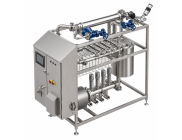
CIP stations · Supply/return lines · Recovery systems
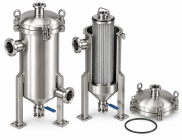
Tanks · Silos · Mixers · Fllers · Pasteurisers · Heat exchangers
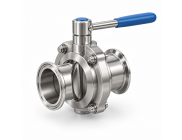
Lines · Bends · Welds · Couplings · Valves · Manifolds
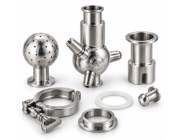
Spray balls · Rotary heads · Internal cleaning components
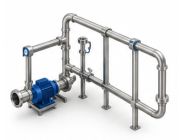
Water loops · Rinse points · Utility sampling locations
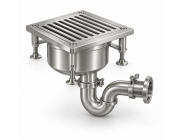
Drains · Low-flow areas · Open product-contact zones
WHAT YOU GET

VP
Scope, washing objects, methods, locations, limits, release rules, and retest logic.
TM
Traceable map of inspected and sampled equipment areas.
QR
DQ/IQ/OQ/PQ evidence and pass/fail status where included.
IE
Photos, videoscope images, penetrant indications, riboflavin and biofilm findings.
LR
ATP/TOC, cultures, pathogens, allergens, water, and other approved results.
DR
Risk-ranked findings, corrective actions, retesting requirements, and restrictions.
FV
Clear statement of system status for the agreed validation scope.
FINAL CONCLUSION
Approved criteria are met and the required evidence demonstrates consistent cleaning performance.
The process can operate under documented conditions while defined low-risk actions or additional monitoring are completed

Critical criteria are not met or sufficient evidence of a repeatable hygiene result is not available.
VALIDATION BASIS
The exact validation basis is defined according to the site, product, equipment, market, method, and approved protocol.
STEPS AFTER VALIDATION
Validation identifies what is not working and provides evidence for corrective action. When the result requires changes to equipment, circuits, recipes, instrumentation, or automation, the next step can continue into CIP System Modernization or CIP Process Optimization.
CIP SYSTEM MODERNIZATION
WHY CIP EXPERTS
We understand CIP processes in detail, know how hygiene issues develop, and apply the right methods to investigate them.
We assess the relationship between equipment, cleaning parameters, automation, and microbiological results.
Every conclusion is supported by measurements, technical inspections, and laboratory testing.
We provide a clear action plan to correct identified deviations and achieve the required result.
FAQ
No. Equipment qualification is one of the components of a complete CIP validation scope.
Are all available inspections and tests required?
No. The test matrix is selected according to the validation objectives, equipment, process conditions, and identified risks.
Is a passed ATP test sufficient to validate a CIP process?
No. ATP is only one indicator of hygiene and must be evaluated together with other evidence defined in the validation scope.
Does riboflavin testing confirm microbiological cleanliness?
No. Riboflavin testing verifies whether the cleaning solution reaches and rinses the required surfaces. It does not assess their microbiological status.
Can validation cover only one CIP circuit or washing object?
Yes. The scope can include a single washing object, one CIP circuit, or the complete cleaning system.
When is CIP revalidation required?
After significant process changes, equipment modifications, introduction of new products, cleaning recipe changes, recurring deviations, or according to the approved site schedule.
Can validation be performed during a short production shutdown?
Potentially, yes. This is possible if the equipment can be safely isolated, drained, accessed, and tested within the available time.

Tell us what you need to verify. We’ll review your CIP process and available data, clarify the validation scope, select the right engineering and microbiological methods, and prepare a clear proposal with the recommended scope, timeline, and next steps.
Thank you for your request!
Our team will contact you soon to discuss your project and the next steps.
Request Sent
Thank you for contacting CIP Experts. Our manager will contact you within one business day.