Maintain hygienic conditions in process equipment and tanks with Biofilm Inspection. Detect hidden biofilm formation before it contributes to cross-contamination, microbiological deviations, product loss, or audit findings.


WHAT IS BIOFILM INSPECTION
Early Detection of Hidden Biofilms
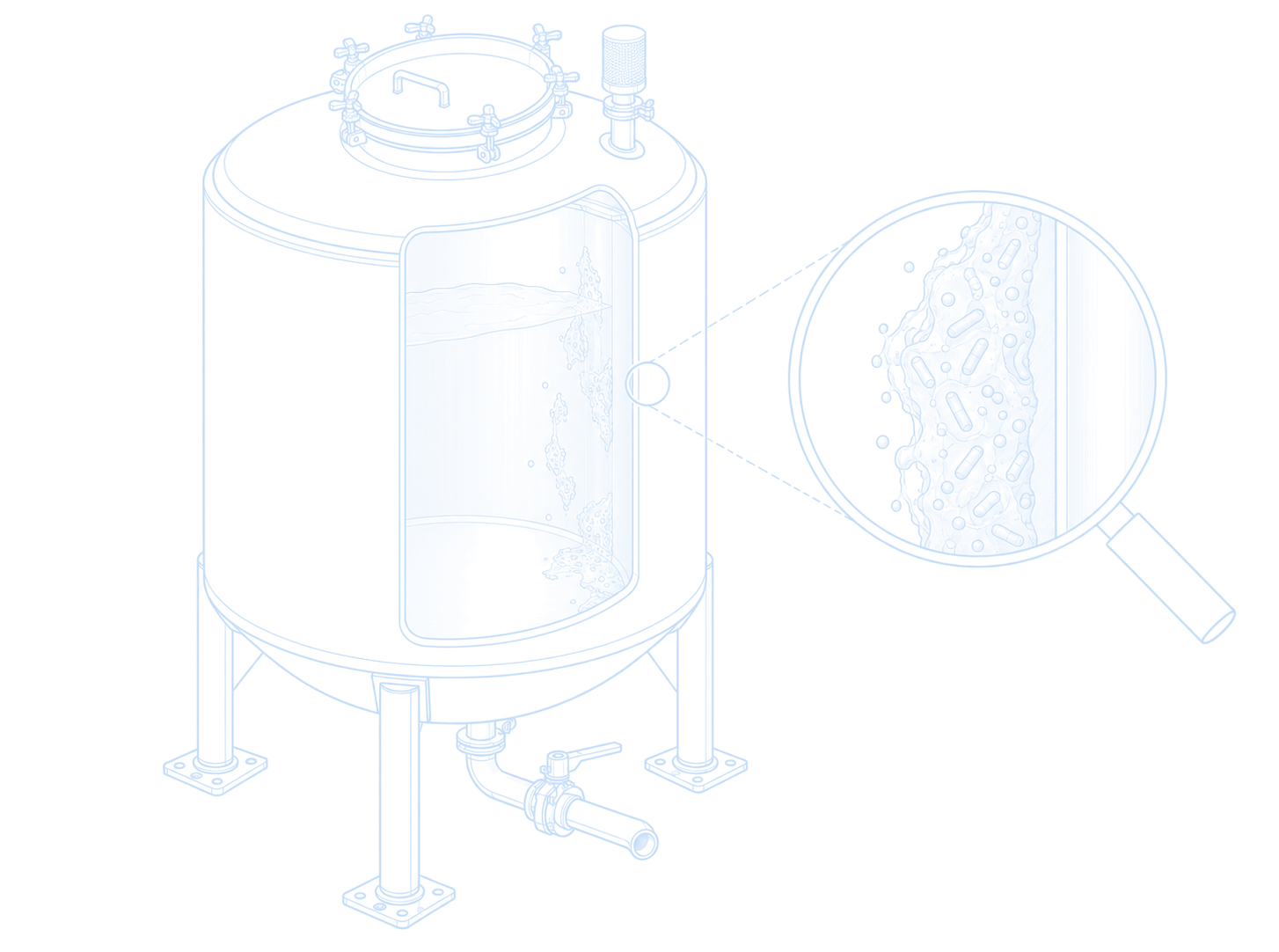
In the food industry, biofilm detection is one of the most serious hygiene concerns because mature bacterial matrices can serve as a refuge for pathogens such as Listeria monocytogenes, Salmonella, and E. coli, protecting them from standard cleaning agents. Since biofilms are microscopically thin and often largely transparent, waiting for laboratory food-culture results may mean the contamination event has already developed.
Biofilm inspection supports biofilm detection on food equipment, tanks, and internal process surfaces before bacterial matrices contribute to cross-contamination or recurring microbiological deviations. For CIP biofilm detection, the scope can target hard-to-clean zones and closed systems where contamination risk may persist despite apparently correct cleaning conditions.
WHY BIOFILM INSPECTION MATTERS
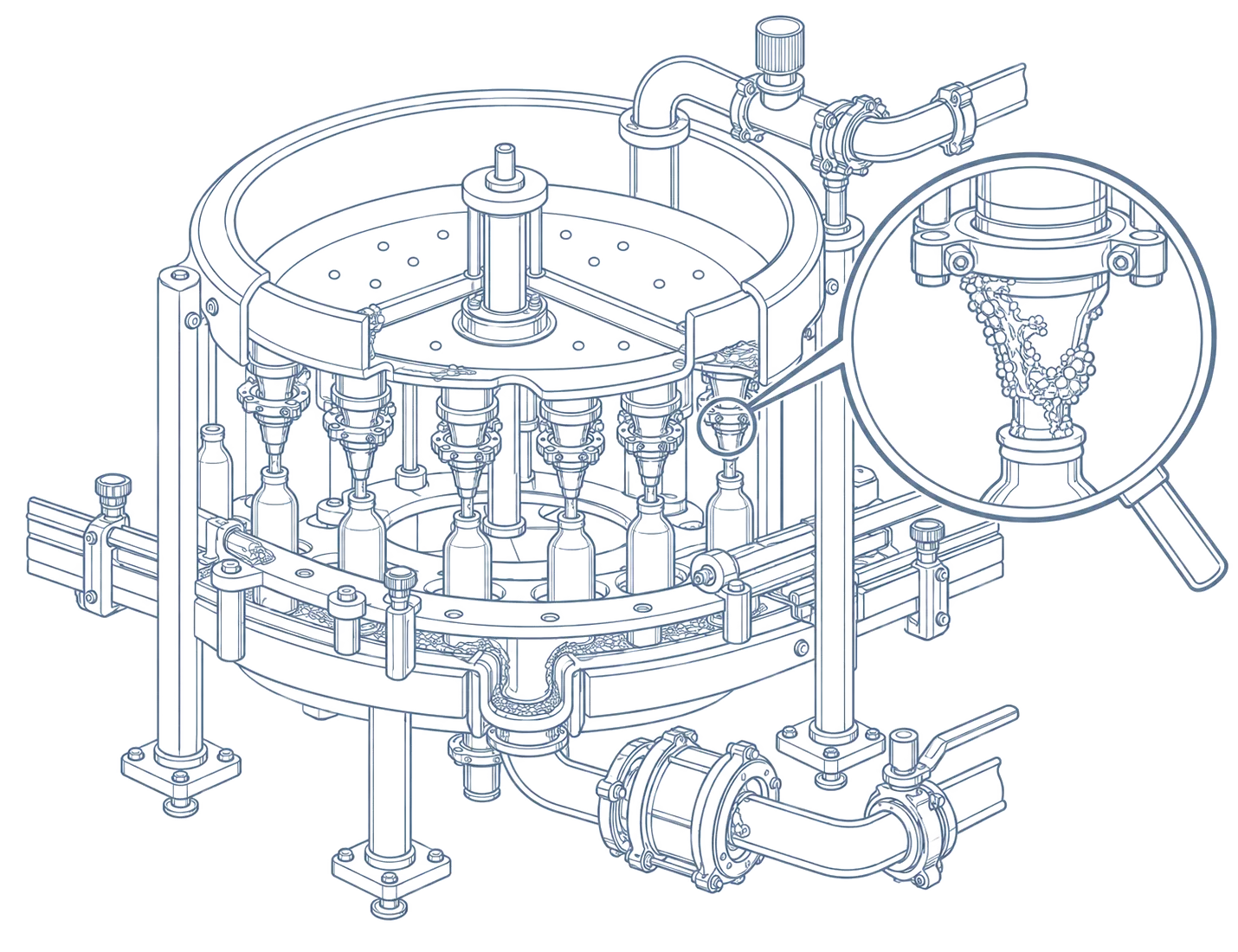
Biofilms do not sit loosely on a surface. They build a multi-layered matrix that protects bacteria from standard sanitation and allows contamination risk to persist even when routine cleaning appears correct. Early detection helps quality, engineering, and production teams act before biofilms affect products, audits, or plant uptime.

Early detection helps destroy structural breeding grounds of dangerous pathogens before they can enter final products.

Helps protect the facility from financial loss and brand damage caused by contaminated batches.

Rapid, non-destructive verification helps teams clear lines for restart faster.

A proactive biofilm-monitoring protocol supports due diligence during HACCP, ISO 22000, IFS, and BRC audits.

Helps detect biofilm formation on process-equipment surfaces and supports microbiology-safe food processing.

Helps locate biofilm-affected and high-risk areas so cleaning, maintenance, and follow-up testing can focus on the actual source of contamination risk.
WHEN THIS SERVICE IS NEEDED
This service is relevant when there are recurring microbiology concerns, unexplained hygiene deviations, repeated contamination findings, or a need to verify whether bacterial growth is developing in hard-to-clean areas. It is also useful as a preventive monitoring method in high-risk zones and closed systems where biofilm formation can remain hidden for long periods.
01
When routine hygiene checks continue to show risk despite cleaning and sanitation.
02
When hidden biofilms may be the source of cross-contamination.
03
When milk lines, water lines, or other fluid paths need deeper inspection.
04
When standard cleaning appears correct, but risk remains.
05
To support a more robust hygiene-control protocol before audits or production escalation.
DEFECTS WE DETECT
Biofilm inspection is designed to reveal bacterial-film formation on surfaces and inside systems before it becomes visible through production failure, product contamination, or microbiological escalation. Different methods help detect both early-stage and more established biofilm risks in open and closed equipment.
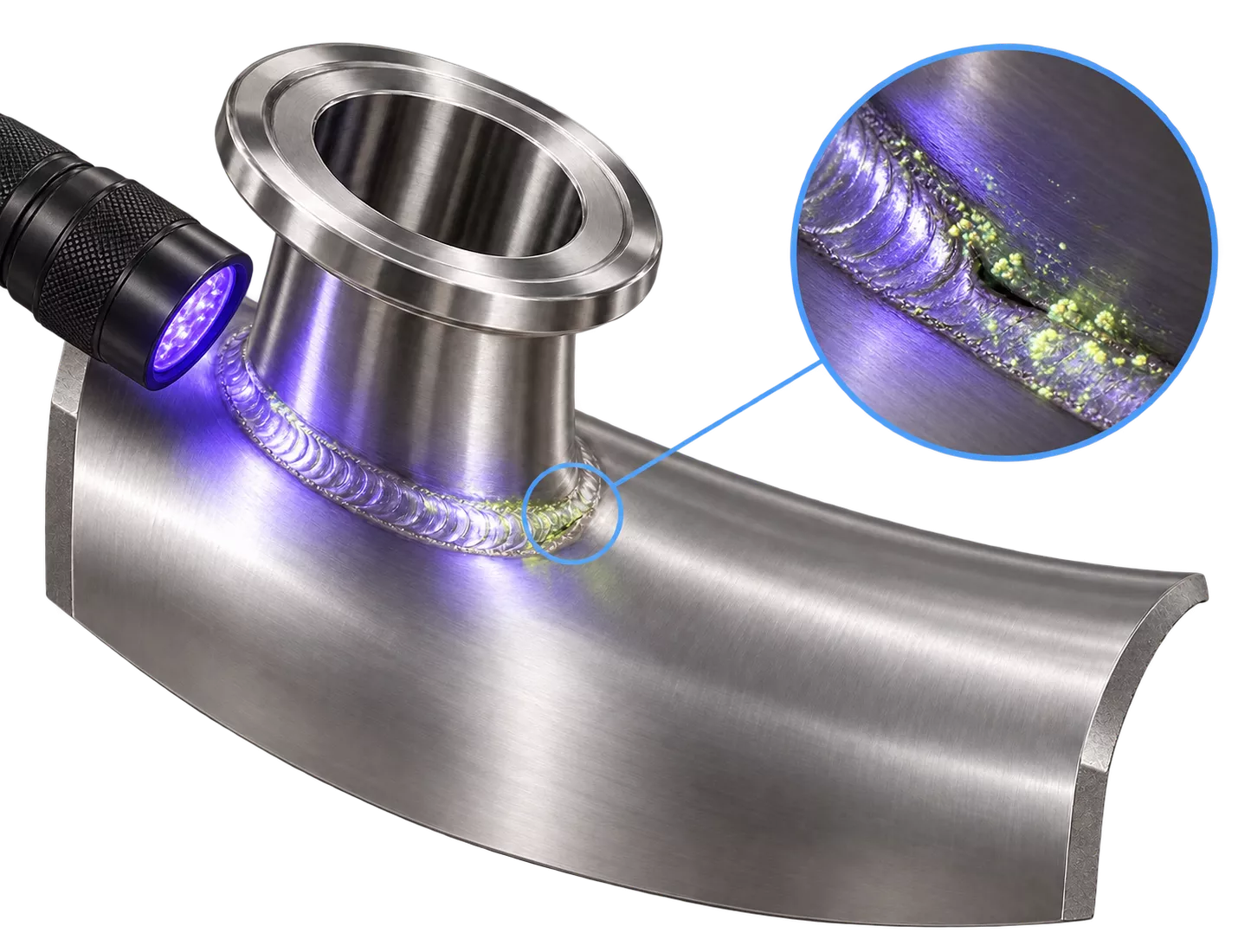
Early bacterial colonies that fluoresce under UV scanning.
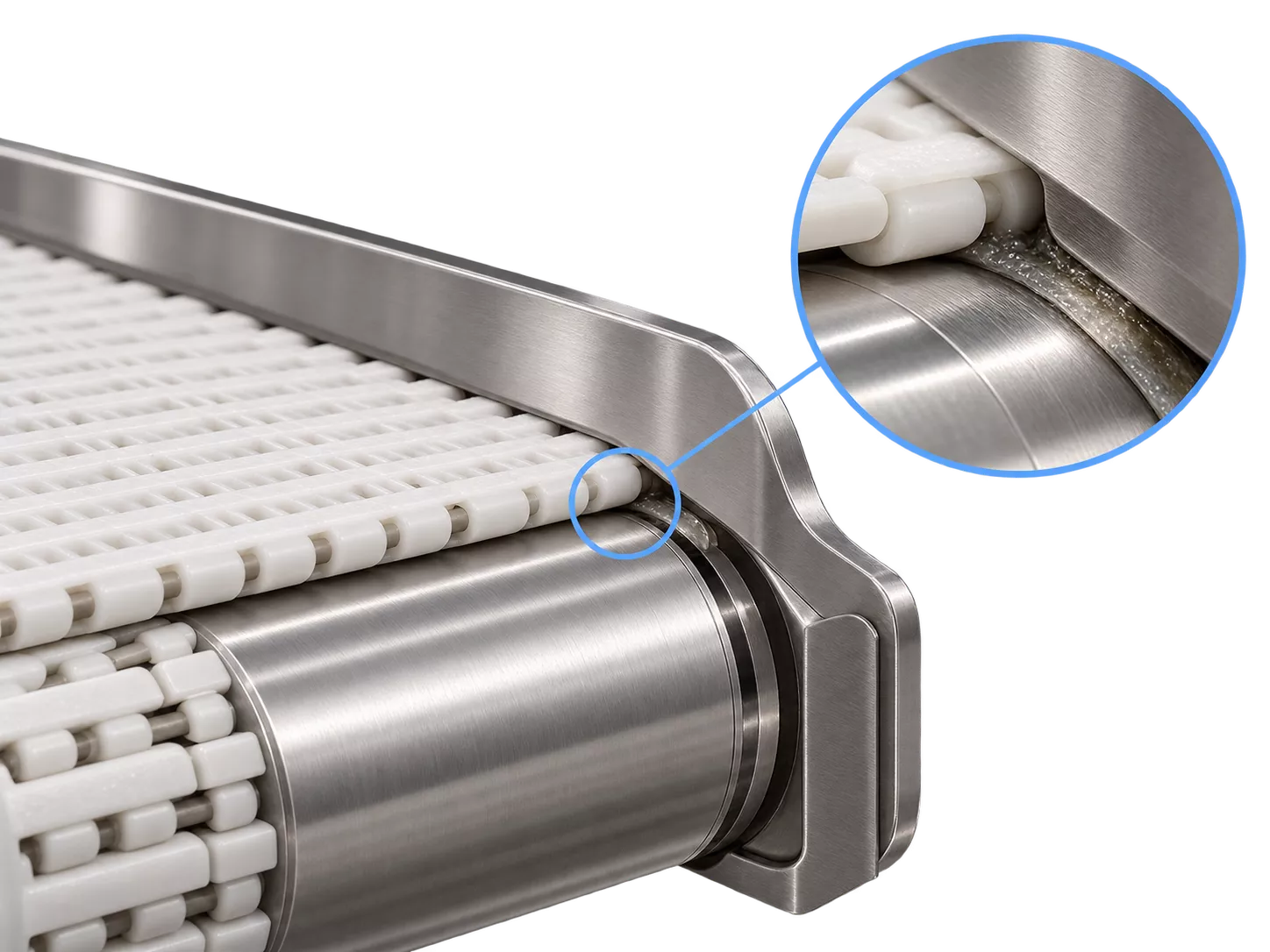
Areas where biofilm can develop on stainless steel, belts, plastic totes, and process surfaces.
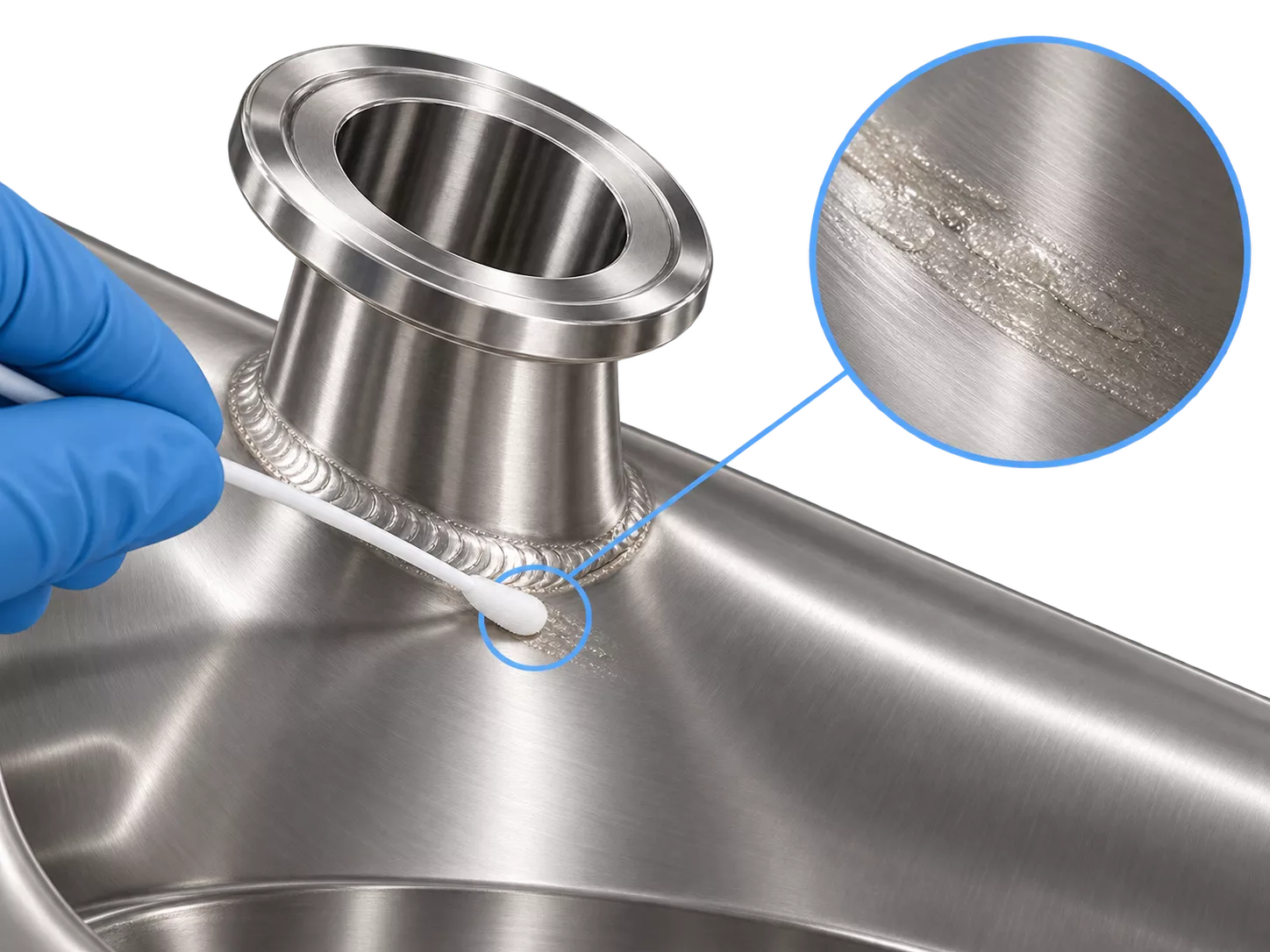
Target locations that require verification by ATP swabbing.
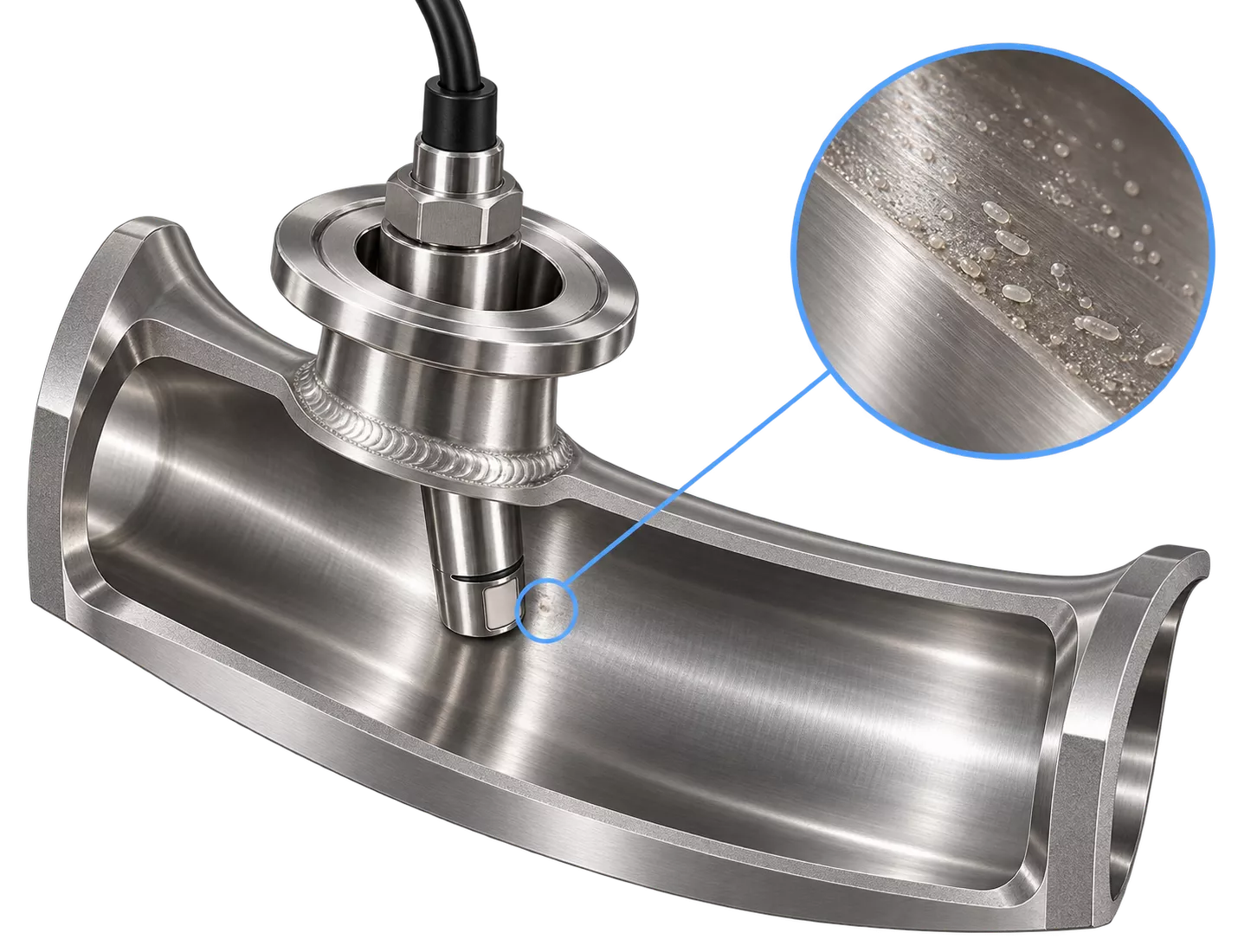
Micro-changes inside pipes detected by inline sensors before mature film develops.
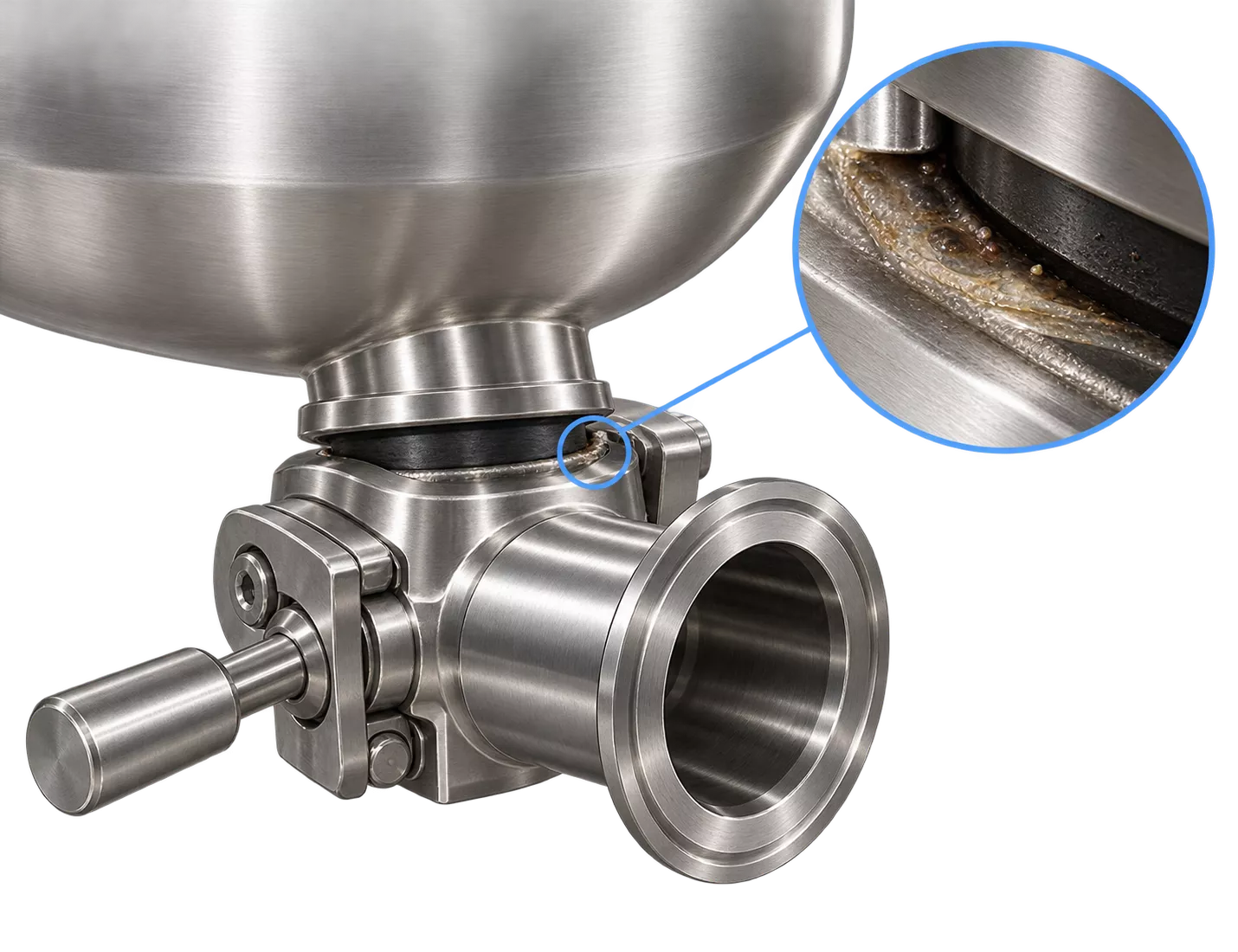
Persistent zones that can shelter bacteria from standard sanitation.
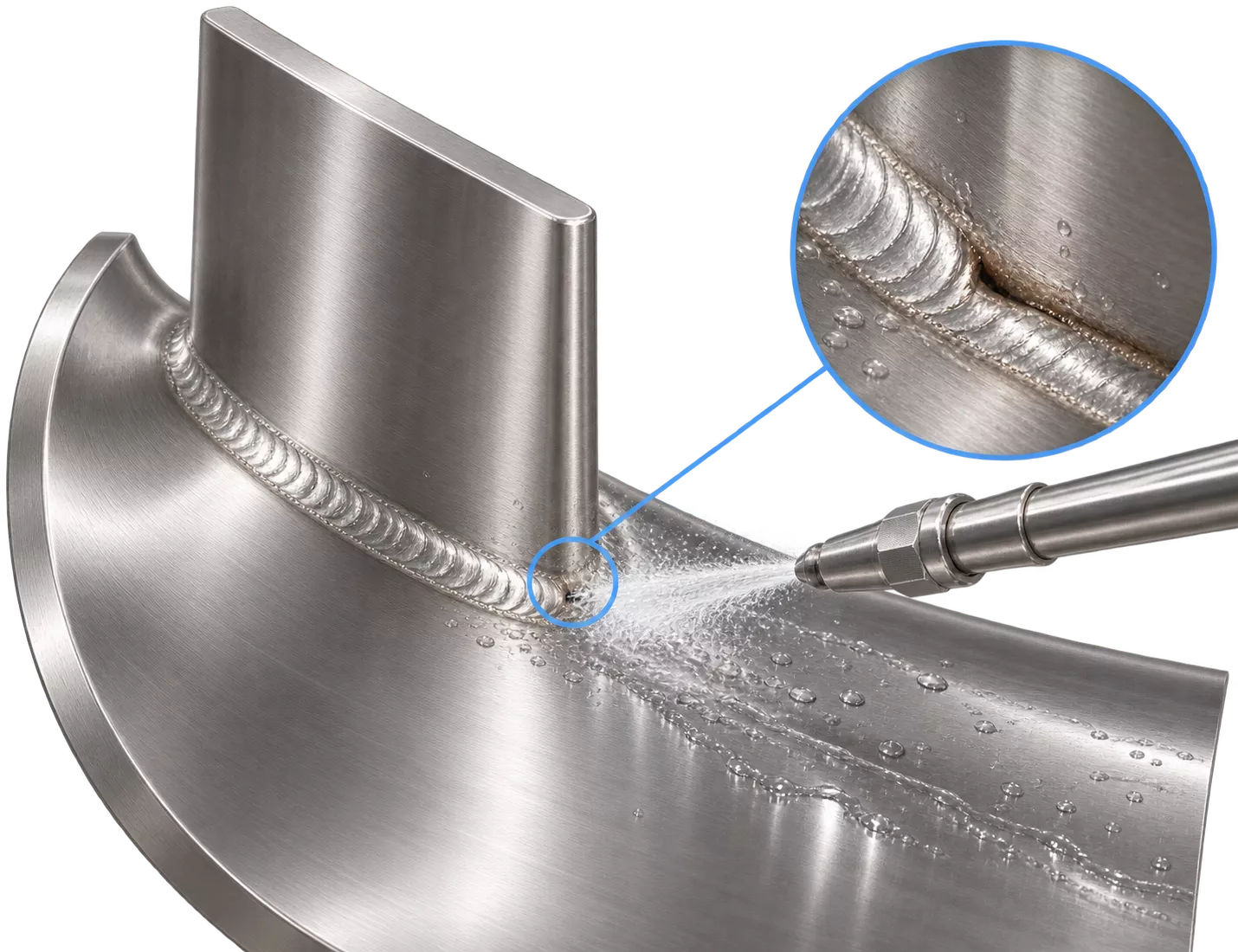
Specific coordinates and surfaces where corrective cleaning or design review is needed.
TYPICAL EQUIPMENT
Biofilm inspection can be applied to multiple types of process equipment where hidden biological build-up affects hygiene, microbiological safety, and reliable operation. The method is especially relevant for tanks, pipelines, and process surfaces in food production environments.
HOW THE INSPECTION IS PERFORMED
Biofilm inspection can be carried out through rapid optical scanning, targeted surface verification, or continuous inline monitoring, depending on the equipment type and the level of risk. Together, these methods help identify both visible and hidden biofilm formation in open and closed systems.
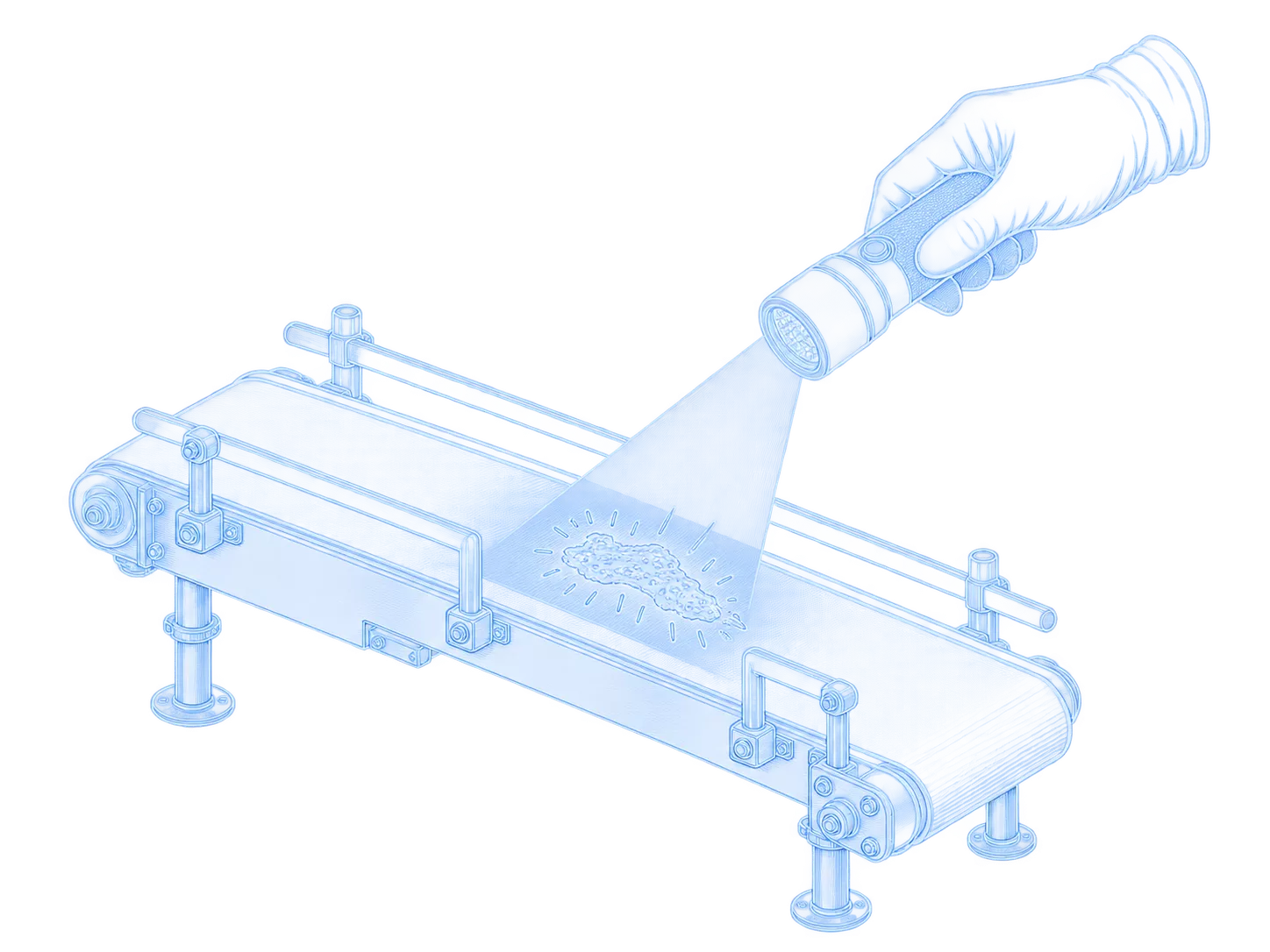
01
Handheld UV fluorescence lamps are passed over stainless steel surfaces, conveyor belts, or plastic totes. The light interacts with proteins and glycoproteins in bacterial cell walls, causing active colonies to glow instantly without chemical reagents. Studies referenced in the description indicate that systems of this type can identify pathogen biofilms such as Listeria and E. coli within 2 to 4 days of initial growth.
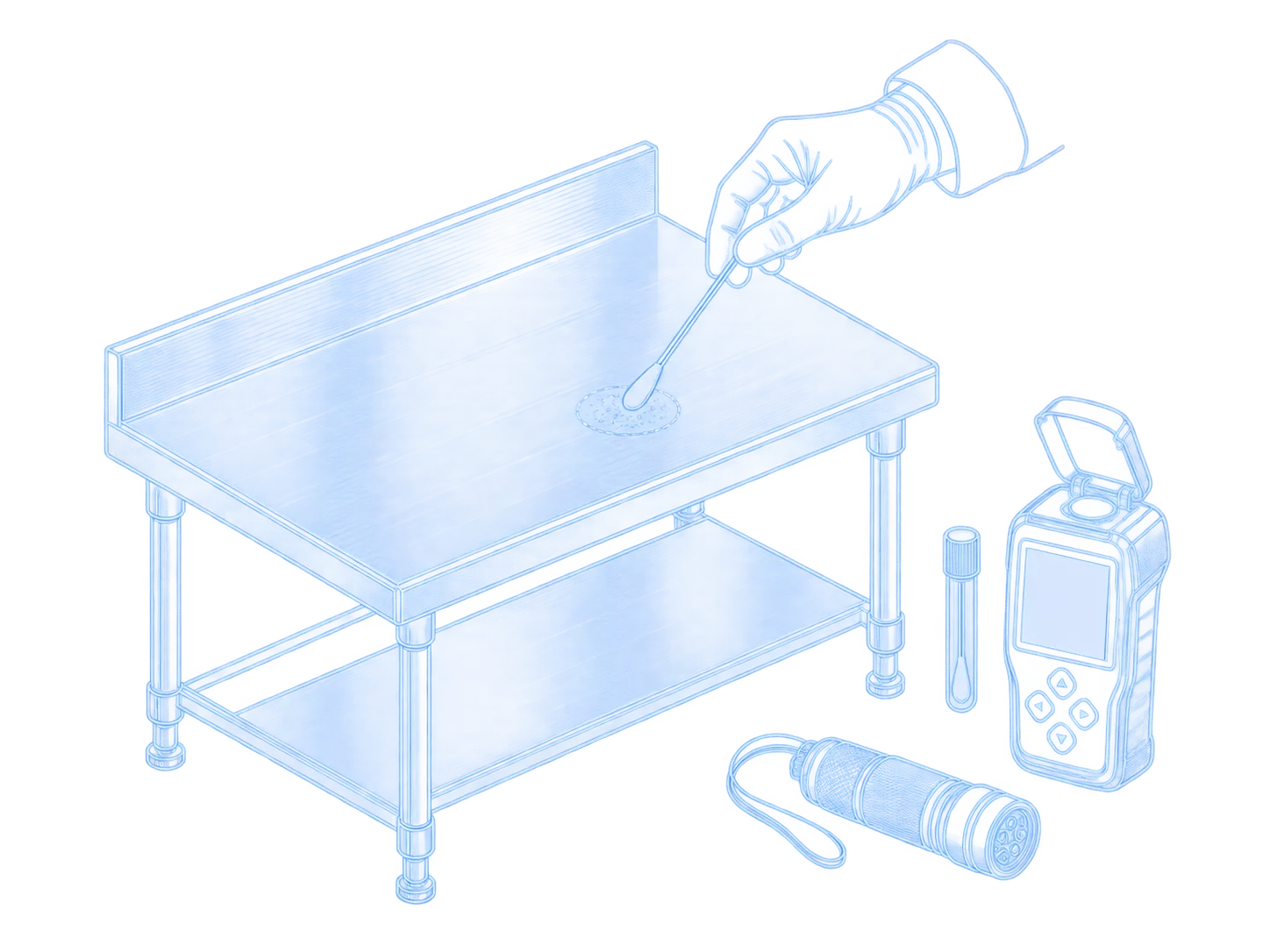
02
ATP bioluminescence swabbing is used as a facility-standard hygiene-verification method. UV scanning is used first to identify suspect coordinates, and ATP swabs are then applied directly to those areas for targeted verification.
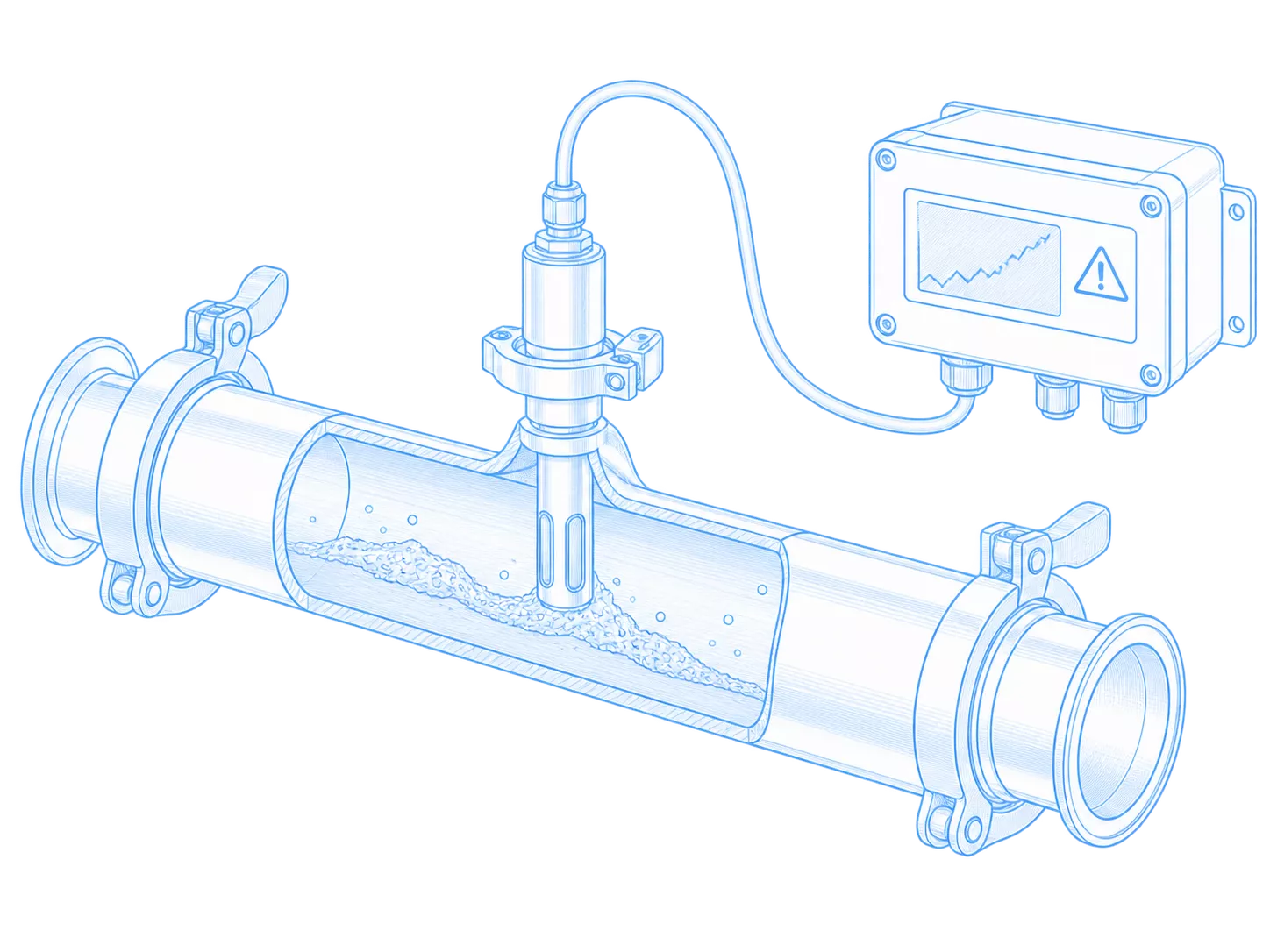
03
Sensors installed inside high-risk fluid paths, milk lines, or water pipes continuously measure micro-changes in electrical impedance and conductivity along internal metal pipe walls, providing automated alerts when pioneer bacteria begin forming a film.
HOW THE SERVICE IS DELIVERED
The detection method is only one part of the service. In practice, plants also need a clear workflow: identifying where biofilm risk is highest, selecting the right inspection method, carrying out the detection or verification step, documenting findings, and defining next sanitation or monitoring actions.
01
Define which surfaces, tanks, or internal fluid paths require inspection based on risk or history.
02
Choose rapid scanning, ATP-based verification, inline monitoring, or a combined approach.
03
Carry out scanning, swabbing, or sensor-based monitoring in the selected zones.
04
Record detected anomalies, verified hotspots, and relevant observations with evidence where applicable.
05
Define whether intensified sanitation, repeat monitoring, design correction, or further inspection is required.
WHAT YOU GET
The value of biofilm inspection is not limited to confirming whether a risk exists. After the inspection, your team receives a structured set of findings that helps identify where biofilm formation may be occurring, what method confirmed it, and what corrective action should follow.

ES
ZH
DV
PD
OC
RF
WHY CIP EXPERTS
01

We know CIP processes in detail and understand how hygiene issues develop in process equipment — and how to investigate them correctly.
02

We stay available before, during, and after the service to help the customer move from inspection findings to practical next steps.
03

We adapt the testing scope to the complexity of the project, the equipment involved, and the specific needs of each customer.
04

Every inspection ends with a clear, detailed report that shows the findings, highlights the problem areas, and outlines recommended actions.
FAQ
Why do traditional laboratory swabs often miss biofilms?
Standard surface swabs often detect loose planktonic bacteria, while the biofilm matrix remains attached to the surface and protected by a polymer layer. Hidden bacteria may also enter a VBNC state and fail to grow in lab culture, creating a false-clean result.
Which rapid detection technology is most effective?
Handheld UV fluorescence lamps are described as a preferred industry method because they require no chemical reagents or physical swabs and allow operators to see biological matrix glow in real time.
Can a standard ATP swab detect a mature biofilm?
Not reliably. ATP luminometers measure general organic debris and cell matter, but cannot clearly distinguish between food soils and an established biofilm. For stronger accuracy, UV scanning is used first and ATP swabs are then targeted to the specific coordinates found.
Related Pages
Explore complementary inspection, testing, and qualification services for a complete CIP validation scope.

Tell us about your equipment and production environment.
We will confirm scope, access requirements, and available dates within 1 business day.
Thank you for your request!
Our team will contact you soon to discuss your project and the next steps.
Request Sent
Thank you for contacting CIP Experts. Our manager will contact you within one business day.
