Full FlowQeeper integration across 4 CIP circuits. Operators went from paper logs to real-time monitoring with automatic cycle reports in 6 weeks — without replacing a single piece of CIP equipment.


-23% Cycle
time
-31% Water
consumption
100% documentation
coverage
PROJECT SNAPSHOT

Dairy processing
4 CIP circuits, 12 process
vessels
No real-time CIP visibility or digital records
FlowQeeper monitoring
and reporting
6 weeks from survey to go-live
-23% cycle time,
-31% water use
THE SITUATION
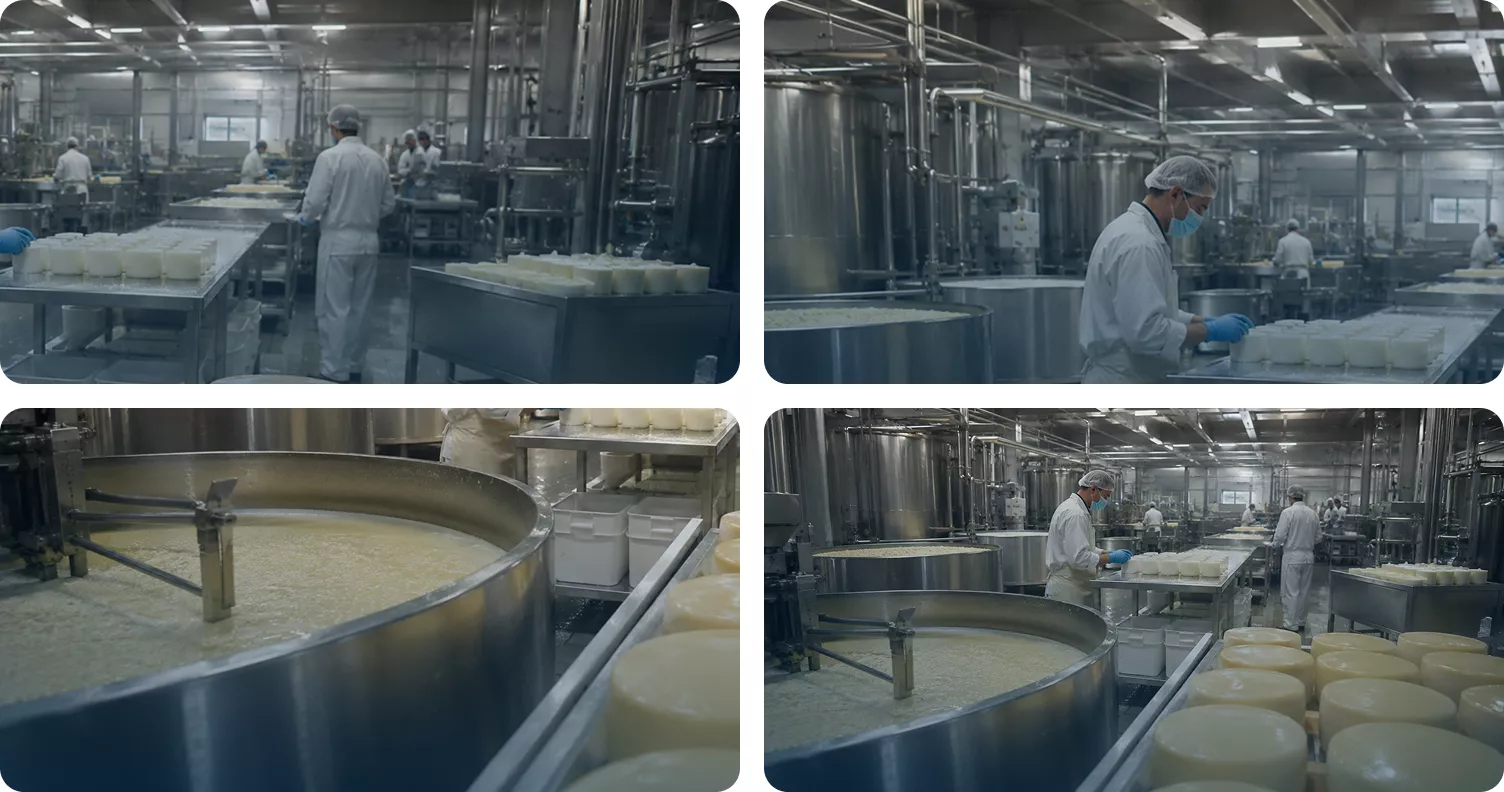
The plant operated four CIP circuits covering milk reception, pasteurization, filling, and return lines. All CIP records were paper-based — operators filled in logbooks by hand after each cycle completed. There was no sensor integration for rinse end-point control, and conductivity readings were taken manually at the end of each phase.
The quality team had no way to review what actually happened during CIP execution in real time. Deviations — if they occurred — were only identified after the cycle had ended, and only if the operator noticed and recorded them. Before audits, compiling complete CIP records required hours of manual document review.
THE CHALLENGE
The plant faced a combination of operational, quality, and compliance problems that paper-based CIP management could not address.
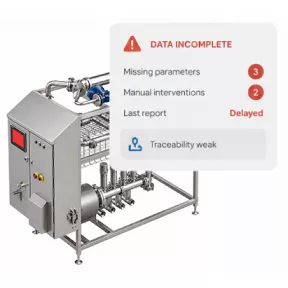
CIP execution could not be monitored during the cycle. Deviations were only visible after the fact, if logged at all.
Cycle results varied between shifts and operators. Fixed timers did not adjust to actual cleaning conditions.
Rinsing ran for a preset duration regardless of actual conductivity or product carryover. Water was consistently over-used.
Paper logbooks had missing entries, illegible data, and gaps that required re-work before every audit or quality review.
If a parameter deviated — temperature drop, incomplete detergent phase — there was no mechanism to notify anyone until the cycle was finished.
WHY IT MATTERED

Hygiene risk
Without end-point control, rinsing could stop before product carry-over reached an acceptable level — a direct food safety risk.
Unnecessary resource waste
Fixed rinse timers consumed 15–20% more water per cycle than sensor-driven end-point control would require.
Audit exposure
Incomplete paper records left the plant exposed during BRC and IFS audits. Verifying cleaning compliance required significant manual work.
Sustainable Outcomes
We help manufacturers achieve reliable cleaning results with lower water, energy, chemical use, and rework.
PROJECT OBJECTIVE
THE SOLUTION
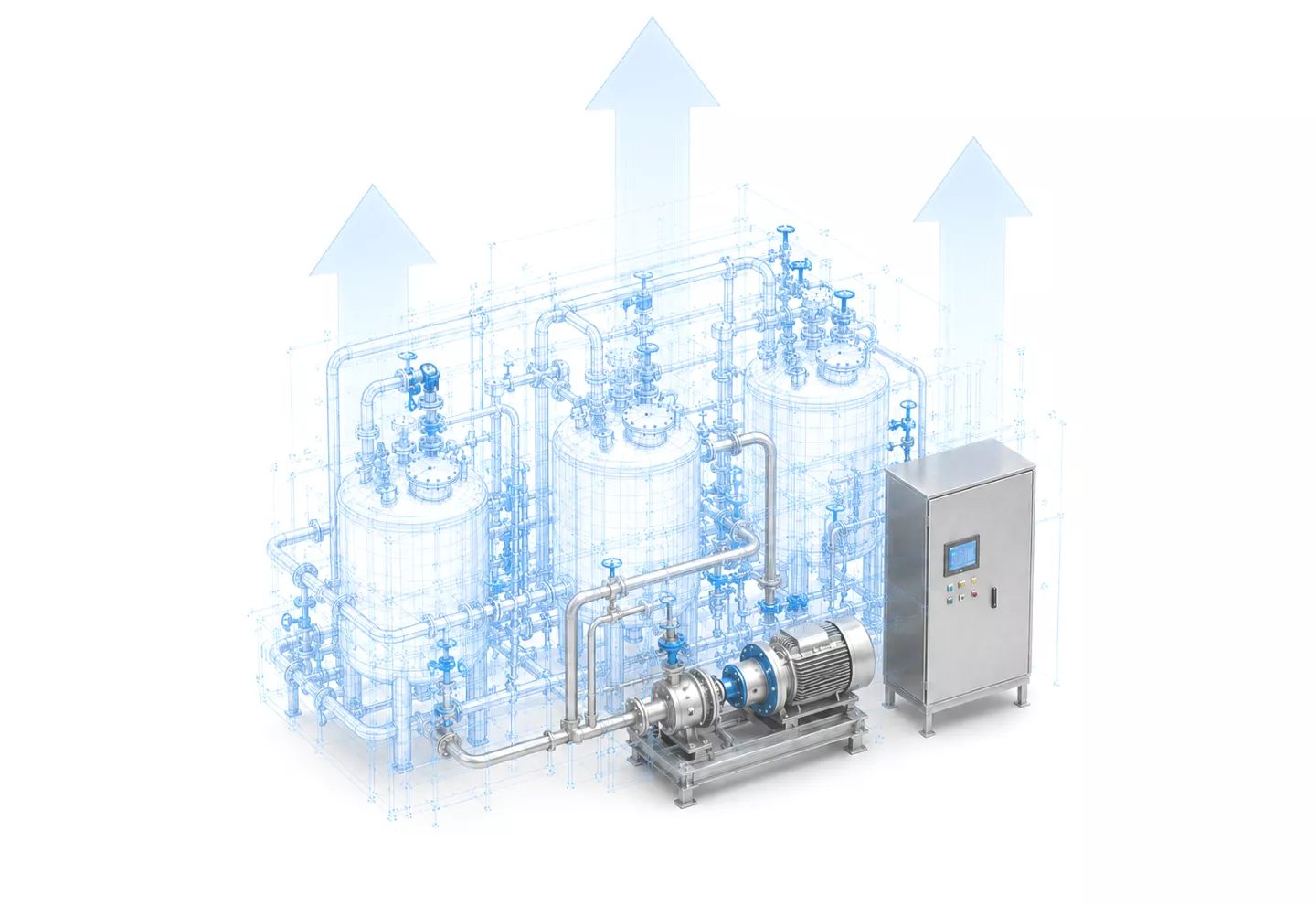
FlowQeeper was selected because it could be integrated with the existing CIP station hardware without replacing pumps, valves, or piping. The approach focused on adding measurement and intelligence to what was already in place.
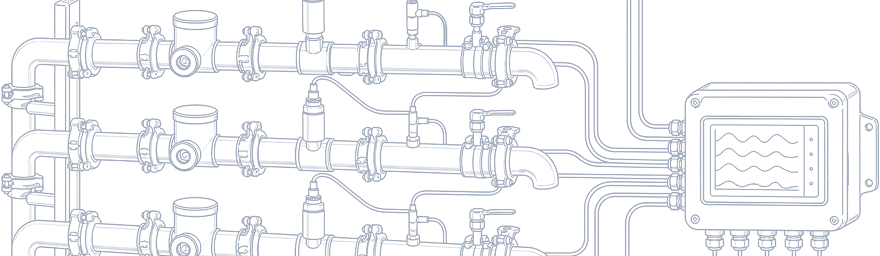
Real-time conductivity, temperature, and flow data captured continuously for each CIP phase
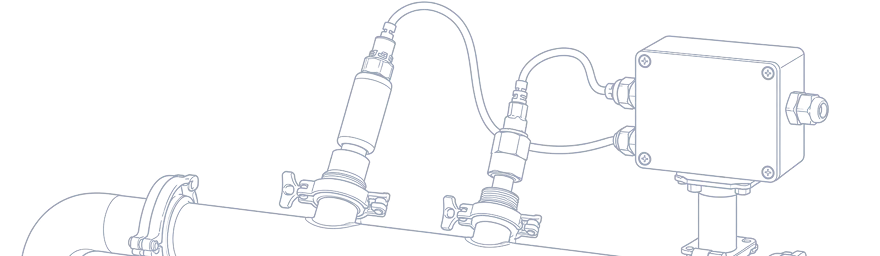
Conductivity and temperature probes installed at CIP return positions. No modifications to process equipment.
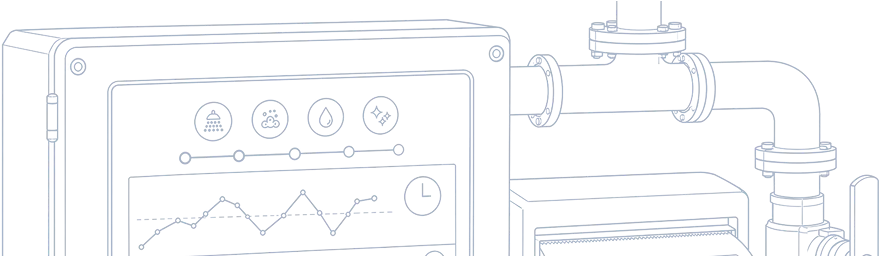
Each completed CIP cycle generates a timestamped report with all critical parameters — no operator input required.
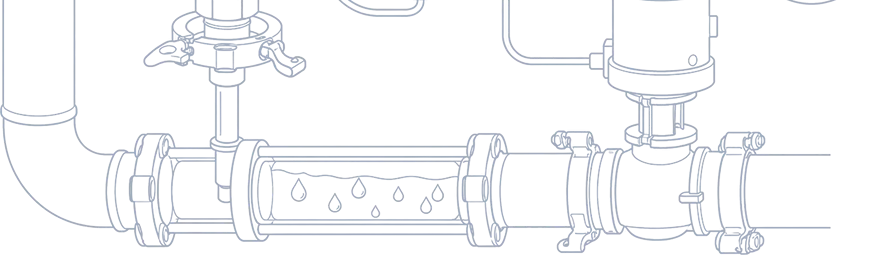
Rinsing stops when conductivity reaches the validated threshold, not when the timer expires. Each circuit configured independently.
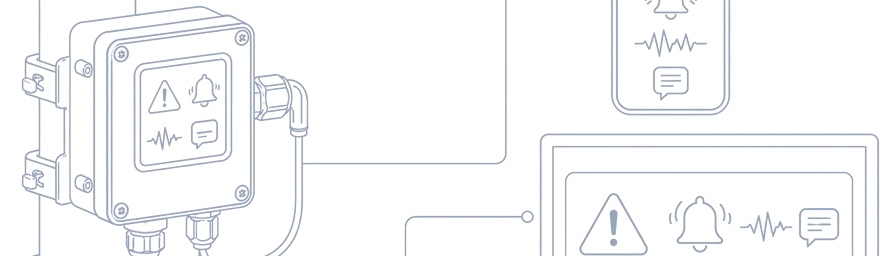
Deviation alerts sent instantly when parameters move outside defined limits during cycle execution.
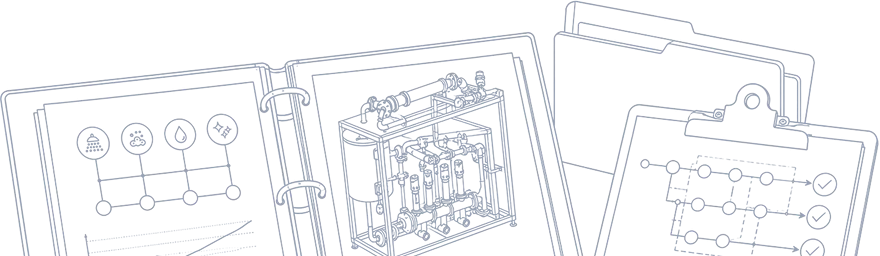
FlowQeeper data used as the primary evidence base for qualification across all 4 CIP circuits.
IMPLEMENTATION
On-site survey of all 4 CIP circuits. Sensor positions confirmed, connection points identified, and existing control logic reviewed.
Week 1
Conductivity and temperature sensors installed at CIP return positions. FlowQeeper units connected to existing PLC infrastructure.
Week 2
CIP recipes configured in FlowQeeper for each circuit. Baseline cycle data collected across 5 full cleaning cycles per circuit
to establish normal ranges.
Week 3-4
Shift operators trained on dashboard, cycle review, and alert response. Parallel paper log phase completed. System went live with full monitoring.
Week 5
FlowQeeper cycle data used to generate OQ and PQ evidence packages for all 4 circuits. Qualification completed on schedule.
Week 5
RESULTS
-23%
Average CIP cycle time across all 4 circuits
-31%
Water consumption
per CIP cycle
100%
Documentation coverage — all cycles auto-logged
zero
Incomplete or missing records since go-live
4
Deviations detected and resolved in first 90 days via alerts
6 weeks
From first site visit to completed IQ/OQ/PQ qualification
PROJECT EVIDENCE
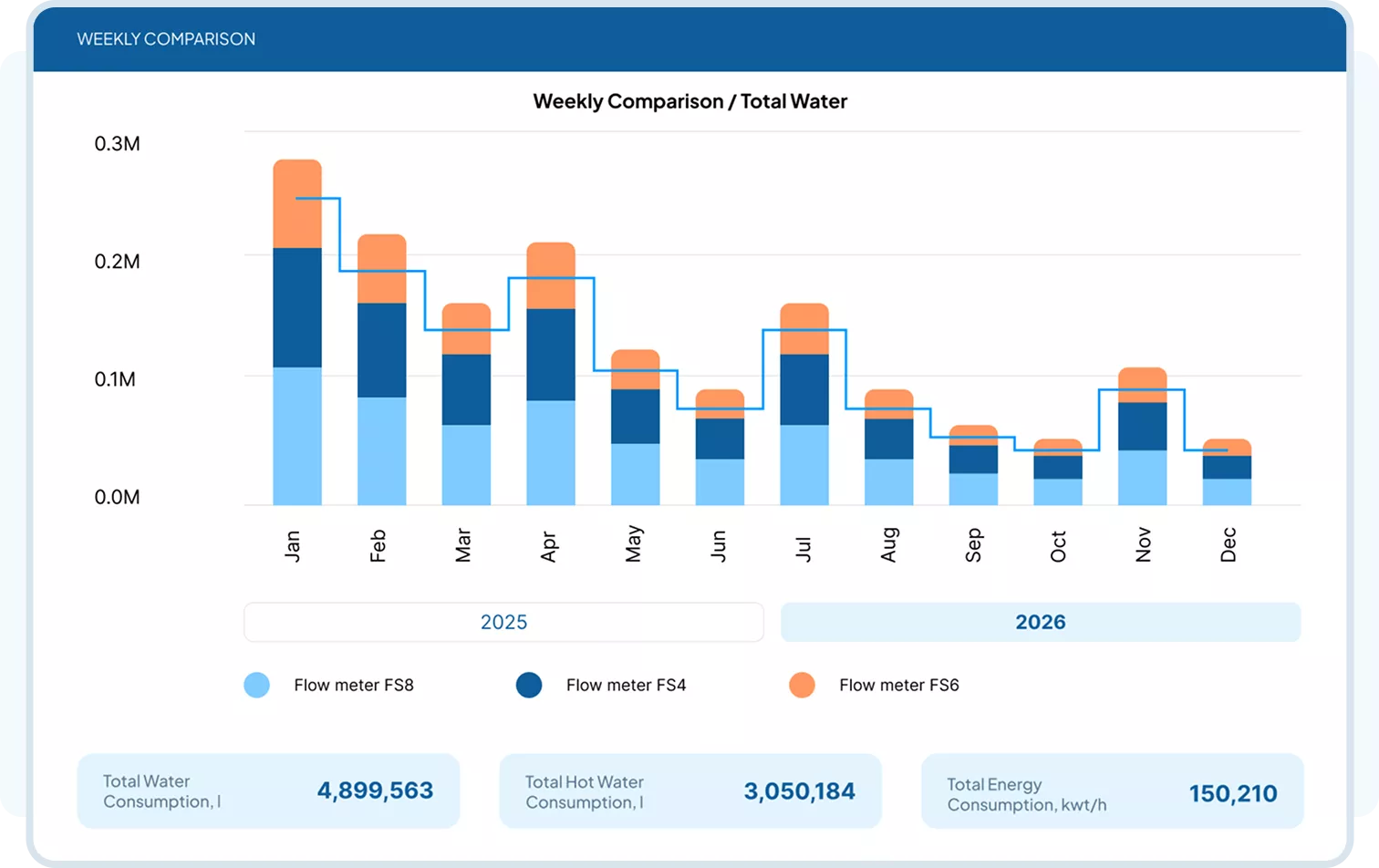
Configurable threshold alerts for every parameter.
Push notifications to operators the moment a deviation occurs — not at the end of the shift.
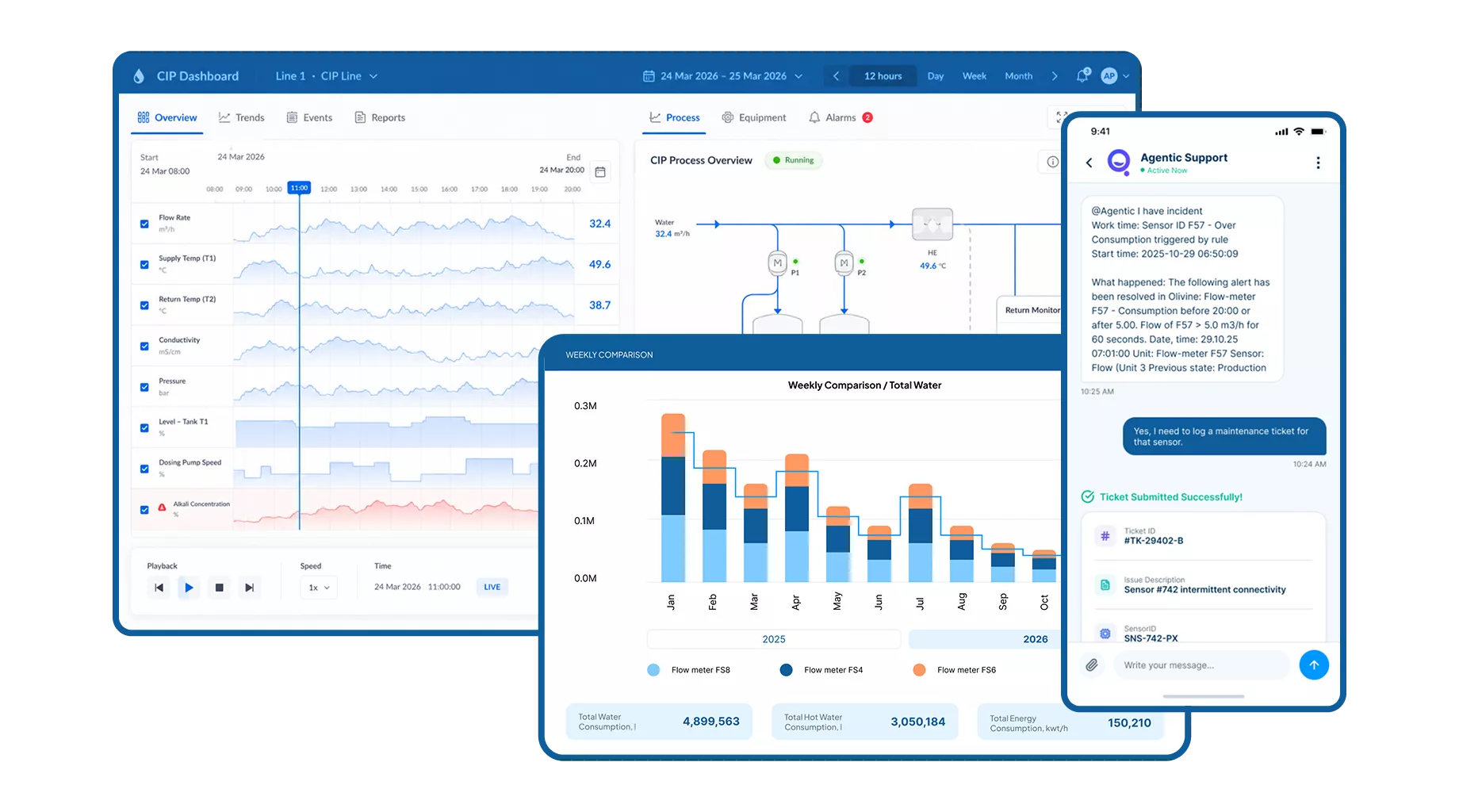
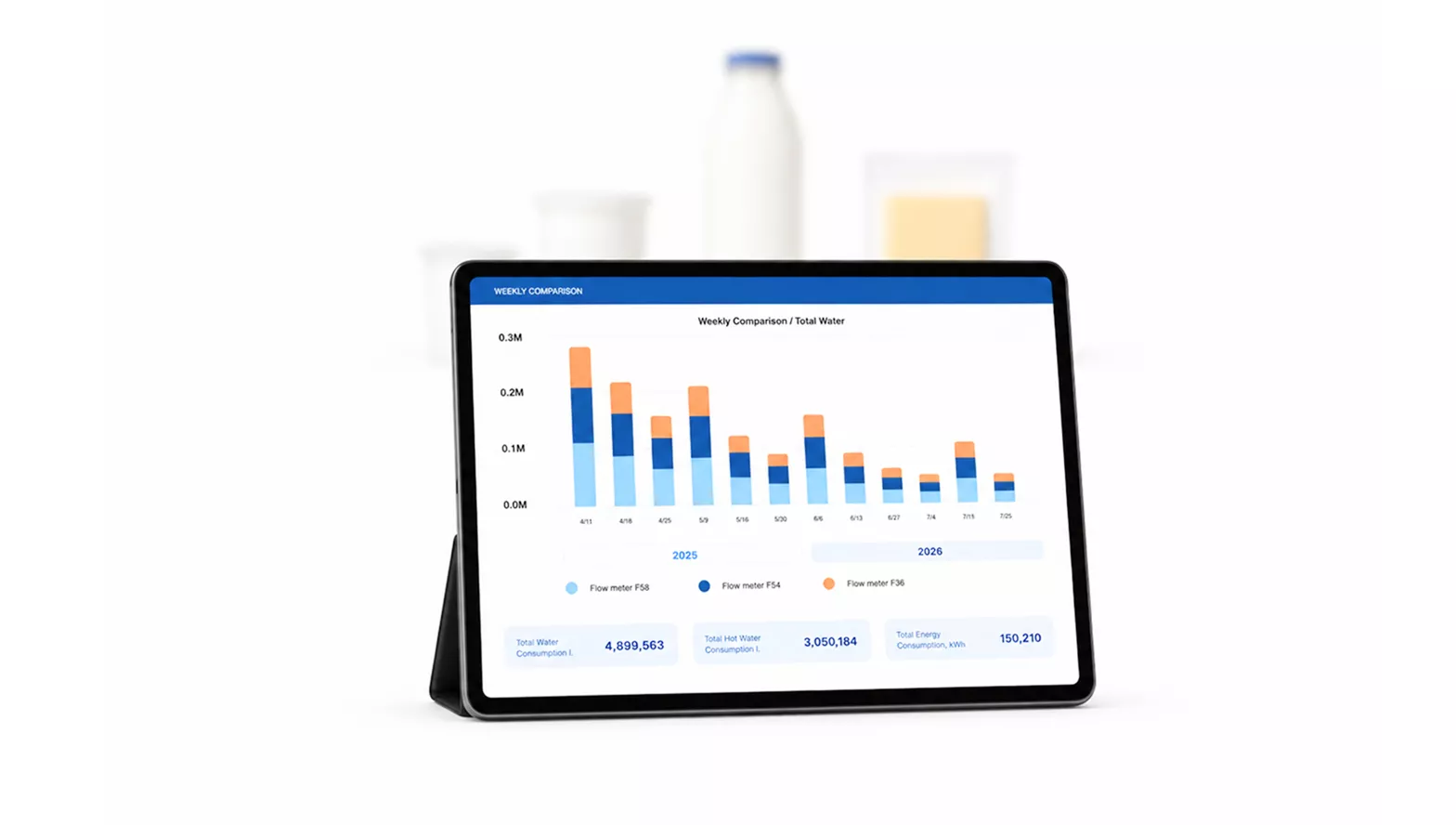
Live per-line dashboards showing all critical CIP parameters. Each cleaning line has its own view — operators see exactly what is happening, right now.
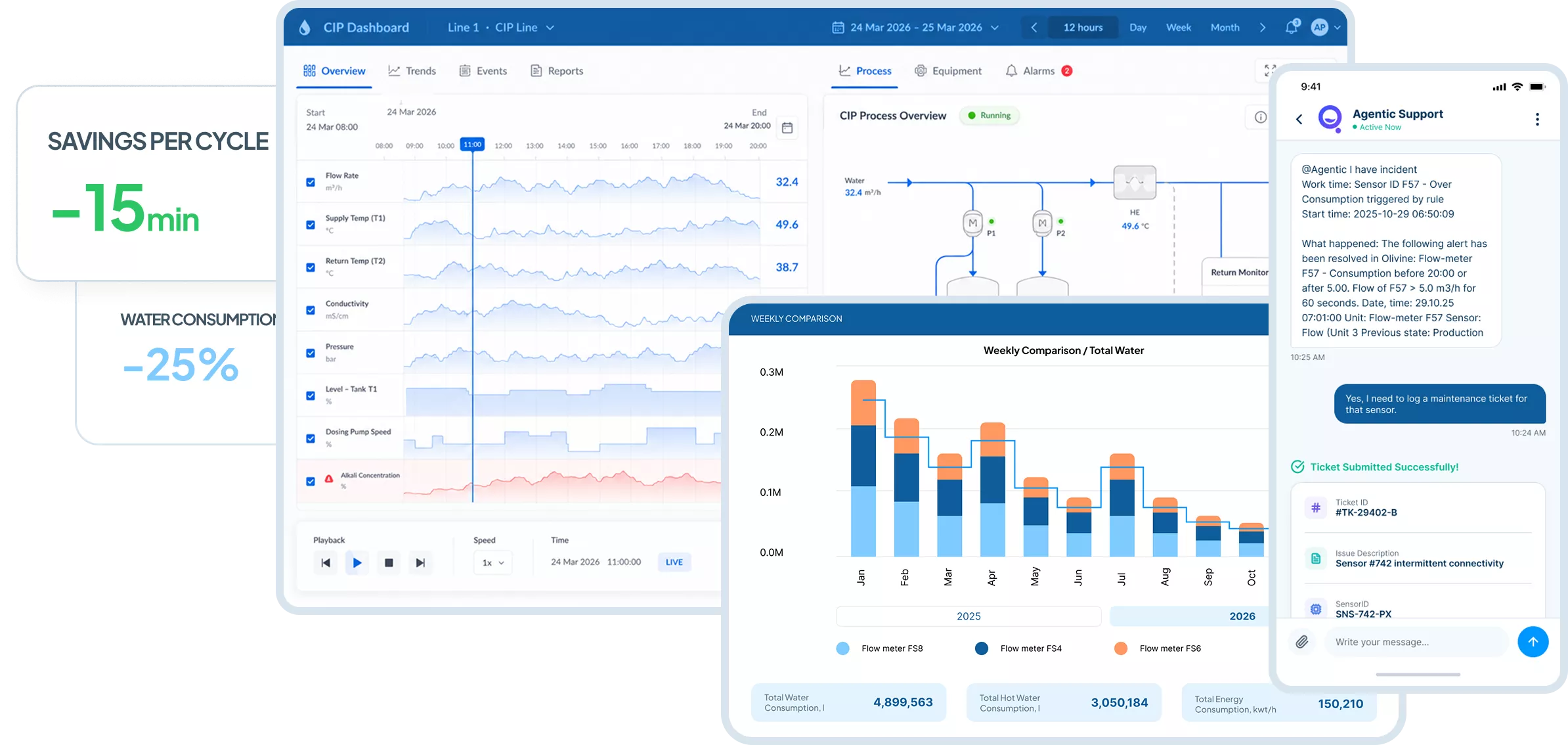
Live per-line dashboards showing all critical CIP parameters. Each cleaning line has its own view — operators see exactly what is happening, right now.
KEY TAKEAWAY
Real-time CIP monitoring does not require replacing equipment. Adding FlowQeeper to an existing CIP station gave this plant full execution visibility, automatic documentation, and measurable resource savings in 6 weeks. The qualification process was faster because the data was already there — no manual collection needed.
“Before FlowQeeper, our quality team spent hours before each audit pulling paper records together. Now the report is generated automatically after every cycle.”
— Quality Manager, Dairy Processing Plant
Dairy
Optimization
Legacy CIP station was replaced with a fully automated unit. Control logic redesigned for 3 new product lines, validated to EHEDG standards.

Brewery
Optimization
FlowQeeper
Legacy CIP station was replaced with a fully automated unit. Control logic redesigned for 3 new product lines, validated to EHEDG standards.
If your team is dealing with manual CIP records, timer-based cleaning, or weak process visibility, a practical conversation is the right next step. We will help you assess scope, timeline, and what is achievable with your existing equipment.

Tell us about your plant, your challenge, or your project —
we’ll respond within 1 business day with a relevant answer or a proposed scope.
Thank you for your request!
Our team will contact you soon to discuss your project and the next steps.
Request Sent
Thank you for contacting CIP Experts. Our manager will contact you within one business day.
